
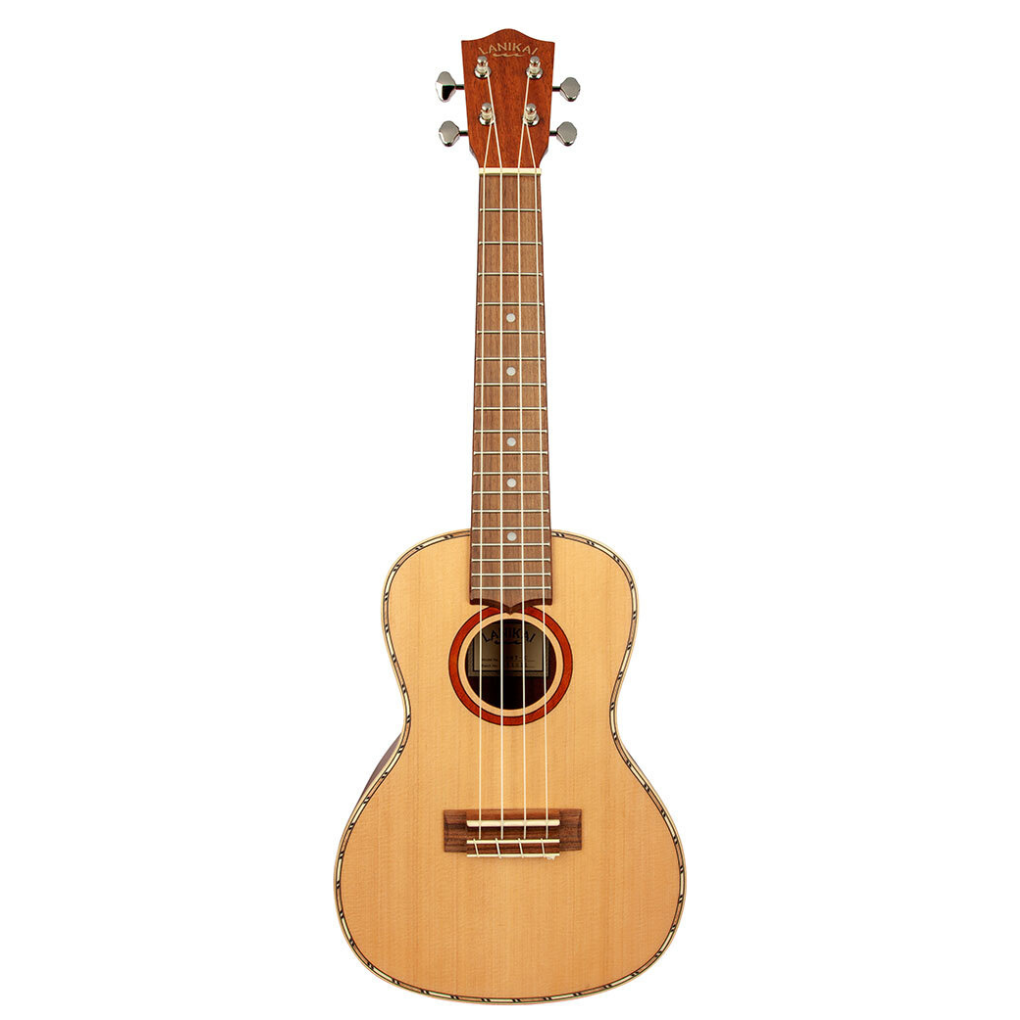
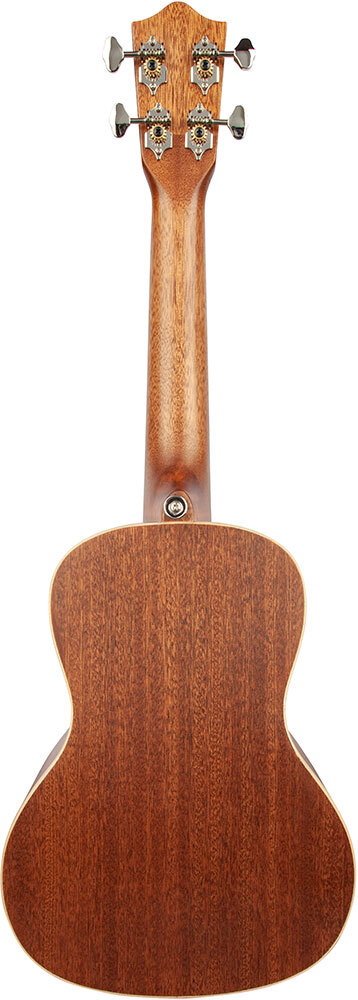
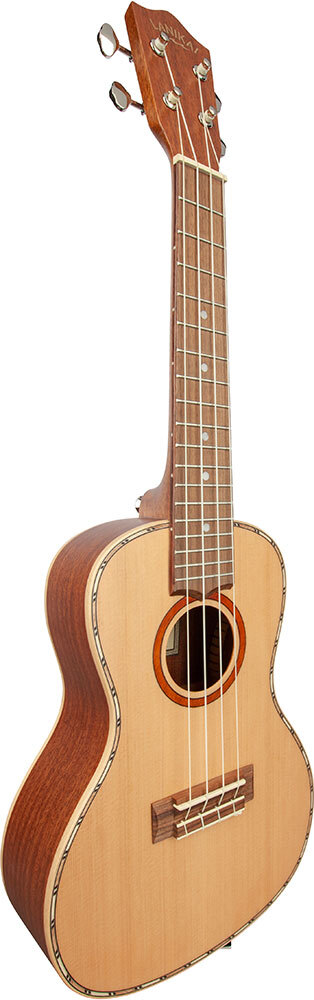
Lanikai Cedar Series Concert Ukulele in Natural Satin Finish with Lanikai Deluxe Gig Bag
★★★★★ 4.9 Stars — Over 1,500 Google Reviews
Original price was: $379.00.$319.00Current price is: $319.00.
FAST
Delivery
EASY
Returns
IN HOUSE
Repairs



Pick-up from store - FREE
Free pickup from our Melbourne Store at 4 Drake Boulevard, Altona VIC 3018. Your order will typically be ready by the next business day. We recommend calling us on (03) 8360 7799 beforehand to check it's ready for collection.
International Shipping
Please proceed to checkout to see international rates and avalability.
Lanikai Cedar Series Concert Ukulele — Solid Cedar Top, Mahogany Back and Sides, NuBone XB (LCDSTC)
The Lanikai LCDSTC is a concert ukulele in the Lanikai Cedar Series — and the first instrument in the Lanikai range to feature a solid wood top. Where the LU Series and Mahogany Series use fully laminate construction, the Cedar Series builds a solid cedar top over mahogany laminate back and sides. Solid cedar top with satin finish, maple binding with wood purfling, inlaid bloodwood circle rosette, walnut fretboard with fretboard binding and white pearl 5mm dot inlays, NuBone XB White nut and saddle with 37.4mm wide nut, Grover open back chrome tuners, D'Addario EJ88 concert strings, chrome strap buttons and a Lanikai deluxe 10mm padded gig bag. The solid cedar top changes the acoustic character of this instrument fundamentally — producing a warmer, more responsive tone with clearer individual note definition and projection that improves with time and playing.
Angkor Music — Solid Top vs Laminate, Cedar's Tonal Character, and Why This Is a Different Category of Instrument
The single most important thing to understand about the LCDSTC is the solid cedar top — and why it represents a genuine acoustic step up from fully laminate instruments at this price point. A laminate top is constructed from multiple thin layers of wood bonded together under pressure. This produces a stable, consistent and durable surface, but the glue lines between layers slightly damp the wood's ability to vibrate freely. A solid top is a single piece of wood cut to the correct thickness — it vibrates as a unified structure, resonating more freely and more completely in response to string vibration. The acoustic difference is real and audible: a solid top instrument typically produces more volume from the same playing effort, better separation between individual notes within chords, more harmonic complexity in sustained tones, and greater dynamic range between soft and loud playing. The other characteristic of solid tops is that they improve over time. As the wood fibres relax through regular playing, the instrument opens up — producing more volume, more depth and more resonance with each passing year. A well-played solid top ukulele at five years old sounds noticeably better than the same instrument new. Cedar specifically is a tonewood particularly well suited to ukulele because its lower density and natural warmth require less effort to produce a full tone — fingerstyle players and those with a lighter touch find cedar responds immediately and expressively. Cedar's warm, dark character sits between the brightness of spruce and the depth of mahogany, producing the balanced, musically neutral tone that Lanikai describes as "a musical balance where no tone outshines the others." The mahogany laminate back and sides add warmth and sustain to this solid cedar top, and the maple binding with wood purfling reflects the more refined construction standard of this tier. The bloodwood circle rosette — inlaid into the solid cedar top — is a visual detail that also speaks to the care taken in this instrument's construction. The Grover tuners are a significant upgrade from generic open-back tuners — Grover is one of the most respected tuner brands in acoustic instrument manufacturing, known for smooth, accurate action and long-term reliability. We stock the Lanikai Cedar Series at Angkor Music — contact us if you want to compare it directly with the Mahogany Series or LU Series.
Cedar Series vs Mahogany Series vs LU Series — What Changes at Each Level
| Feature | LU Series (LU21C) | Mahogany Series (LMAC) | Cedar Series (LCDSTC) |
|---|---|---|---|
| Top Construction | Okoume laminate | Mahogany laminate | Solid cedar |
| Back and Sides | Okoume laminate | Mahogany laminate | Mahogany laminate |
| Binding | Single ply ABS white | Single ply ABS white | Maple with wood purfling |
| Rosette | Standard | Standard | Inlaid bloodwood circle |
| Tuners | Open back, black buttons | Open back, chrome buttons | Grover open back chrome |
| Inlays | 5mm dot | Pearloid 5mm dot | White pearl 5mm dot |
| Side Dots | 2mm black | 2mm black | 2mm white |
| Strings | Aquila | D'Addario EJ88 | D'Addario EJ88 |
| Gig Bag | Standard nylon | Standard padded | Deluxe 10mm padded |
| NuBone XB | Yes | Yes | Yes |
Solid Cedar Top — How It Sounds and How It Changes Over Time
Cedar is the softer and warmer of the two main acoustic instrument tonewoods — the other being spruce. Its tonal properties on a ukulele produce a specific and immediately recognisable character:
- Warm, dark fundamental: Cedar emphasises the warm midrange frequencies that give chords depth and body. Notes have a rounded, full character rather than the bright, cut of spruce
- Clear individual note definition: Despite its warmth, cedar maintains definition across the frequency range — individual notes within chords are clearly audible rather than blending into a wash
- Responds to light playing: Cedar's lower density means it requires less force to bring out its full tone. Players with a lighter fingerpicking touch will find cedar responds expressively even at low volumes
- Projection: The solid top amplifies vibration more completely than laminate, pushing more of the string's energy outward as sound rather than absorbing it into the glue layers of a laminate
- Improves with time: Cedar opens up faster than spruce — regular playing relaxes the wood fibres and the instrument becomes progressively more resonant, louder and tonally complex over months and years of use
Maple Binding, Wood Purfling and Bloodwood Rosette
The Cedar Series replaces the ABS plastic binding of the LU and Mahogany Series with real maple binding and decorative wood purfling — thin strips of contrasting wood inlaid along the binding edge. This is a construction detail associated with higher-end acoustic instruments. Wood binding is more labour-intensive to apply than ABS plastic and reflects the Cedar Series' position as a more considered, more refined instrument.
The inlaid bloodwood circle rosette around the soundhole is the most visually distinctive feature of the LCDSTC. Bloodwood is a deep red South American hardwood — its colour against the cedar top creates a striking contrast that distinguishes the Cedar Series immediately from the more understated aesthetics of the LU and Mahogany Series. The rosette is inlaid into the solid cedar top rather than being printed or applied as a decal.
Grover Tuners
Grover is one of the most established and respected names in acoustic instrument tuner manufacturing — the same brand found on instruments at significantly higher price points. Grover's open back tuners are known for smooth, accurate tracking and long-term reliability. The inclusion of Grover tuners on the LCDSTC places this instrument above any equivalent that ships with generic unbranded hardware.
37.4mm Nut Width — Wide Neck Profile
The 37.4mm nut width is the same as the LU21C — wider than standard concert ukulele specification, providing comfortable spacing for players with larger hands and reducing the chance of accidentally muting adjacent strings during chord fretting.
Deluxe 10mm Padded Gig Bag
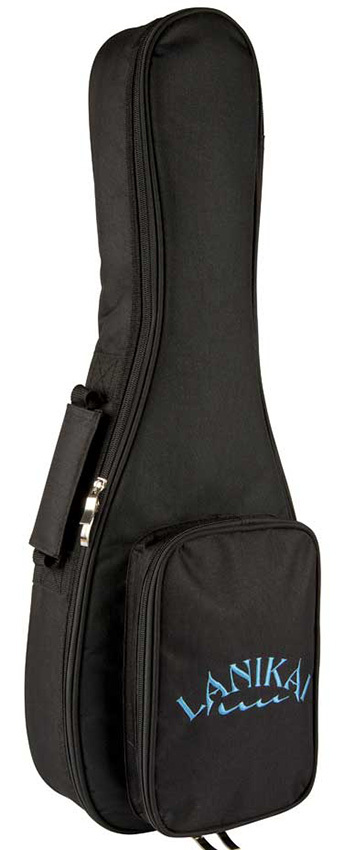
The Cedar Series ships with Lanikai's deluxe 10mm padded gig bag — a meaningful upgrade from the standard gig bags included with the LU and Mahogany Series. The 10mm padding provides substantially more protection for a solid-top instrument that warrants more careful storage and transport than a fully laminate alternative.
Who Is the Lanikai LCDSTC For?
- Players who are ready to move beyond fully laminate construction and want the acoustic advantages of a solid top instrument
- Players who specifically want cedar's warm, dark, responsive tonal character over mahogany or okoume
- Fingerstyle players and those with a lighter touch who want an instrument that responds expressively at lower volumes
- Players who want an instrument that will improve in tone over time with regular playing
- Players who want the most refined aesthetic in the Lanikai entry-to-mid range — maple binding, bloodwood rosette, white pearl inlays, Grover tuners
- Players who want fully laminate construction at a lower price point should choose the Mahogany Series (LMAC) or LU Series (LU21C)
Specifications
| SKU | LCDSTC |
| Brand | Lanikai |
| Series | Cedar Series |
| Size | Concert |
| Top | Solid cedar |
| Back and Sides | Mahogany laminate |
| Finish | Satin Natural |
| Body Binding | Maple with wood purfling |
| Rosette | Inlaid bloodwood circle |
| Fretboard | Walnut with binding |
| Position Inlays | White pearl 5mm dot |
| Fretboard Side Dots | 2mm white |
| Nut and Saddle | NuBone XB White |
| Nut Width | 37.4mm |
| Tuners | Grover open back chrome |
| Strings | D'Addario EJ88 |
| Strap Buttons | Chrome — standard |
| Electronics | None |
| Included | Lanikai deluxe 10mm padded gig bag |
| Laminate Alternative | LMAC (mahogany) / LU21C (okoume) — concert size |
Expert Advice at Angkor Music
At Angkor Music Melbourne we stock the Lanikai Cedar Series alongside the Mahogany Series and LU Series. If you want to hear the difference a solid cedar top makes compared to a laminate instrument, visit us in Altona to try them side by side, or contact us for advice on which level suits your playing and budget.
★★★★★ 4.9 Stars — Read Our 1,600+ Google Reviews →
Frequently Asked Questions
What is the difference between a solid top and a laminate top?
A solid top is a single piece of wood that vibrates freely as a unified structure — producing more volume, better note definition, greater dynamic range and more harmonic complexity than a laminate top. A laminate top is multiple thin layers bonded with glue — the glue lines slightly damp the wood's vibration. In practice, a solid top instrument is louder, more responsive and tonally richer than a laminate equivalent. Solid tops also improve over time as the wood fibres relax with playing — something laminate tops do not do to the same degree.
Why is the back and sides laminate if the top is solid?
Solid top with laminate back and sides is a well-established and acoustically sound construction approach used across all acoustic instrument categories at this price point. The soundboard top is acoustically the most important surface — it is where the bridge transfers string vibration into the body. The back and sides primarily reflect and contain the sound. Using a solid top with laminate back and sides produces most of the tonal benefit of solid construction at a more accessible price than a fully solid instrument.
Is cedar or mahogany better for a ukulele?
Neither is objectively better — they produce different tonal characters. Cedar is warmer, darker and more immediately responsive to light playing, with good projection. Mahogany is also warm but with a slightly denser, more focused midrange character. Cedar suits fingerpickers and players who want warmth and projection. Mahogany suits players who want that classic, familiar ukulele warmth. The best approach is to play both and choose by ear — contact us at Angkor Music to arrange a comparison.
What are Grover tuners and why do they matter?
Grover is one of the most respected tuner manufacturers in acoustic instrument production — the same brand used on quality acoustic guitars and other fretted instruments at much higher price points. Grover tuners are known for smooth, accurate tracking and long-term mechanical reliability. They are a meaningful step up from the generic unbranded tuners found on most instruments at entry level, and their inclusion on the LCDSTC reflects the Cedar Series' higher construction standard.
Will this instrument improve with time?
Yes — solid cedar tops are known to open up with regular playing. The wood fibres relax as the instrument is played, producing progressively more volume, depth and tonal complexity over months and years. This is one of the reasons experienced players seek out solid top instruments: the investment improves rather than depreciates acoustically over time.
Additional information
| Weight | 0.0000 kg |
|---|---|
| type | CONCERT |
| Size | Concert |
| Instrument | Ukulele |
| body style | Standard |
Related Items & Accessories
Related products
-
15% OFF
RRP $245.00
Save $36.00
Sale!
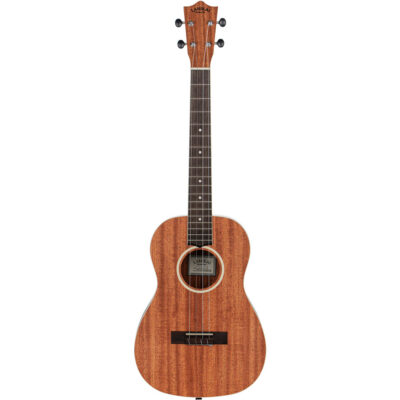 SKU: LU21B
Lanikai LU21 Series Baritone Ukulele in Natural Satin Finish with Lanikai Standard Gig Bag
Original price was: $245.00.$209.00Current price is: $209.00.In Stock -
2% OFF
RRP $169.00
Save $4.00
Sale!
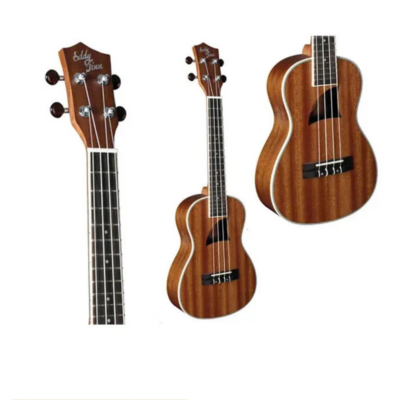 SKU: EF-8MC
Eddy Finn Concert Uke – Matt Mahogany – 8MC
Original price was: $169.00.$165.00Current price is: $165.00.In Stock -
18% OFF
RRP $195.00
Save $36.00
Sale!
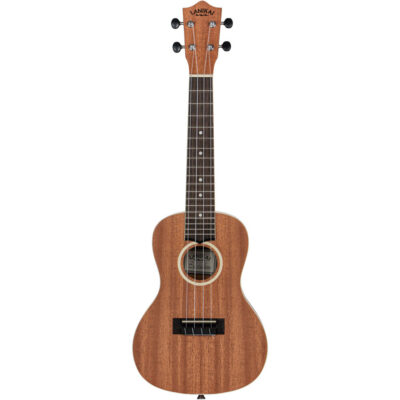 SKU: LU21C
Lanikai LU Series Concert Ukulele in Natural Satin Finish with Lanikai Standard Gig Bag
Original price was: $195.00.$159.00Current price is: $159.00.In Stock -
16% OFF
RRP $295.00
Save $46.00
Sale!
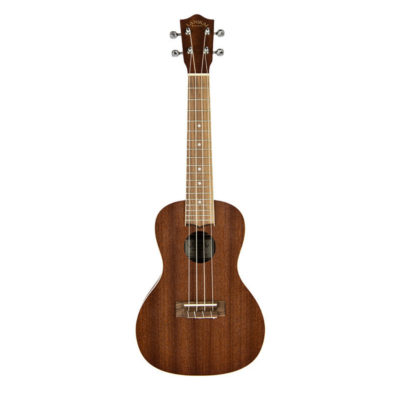 SKU: LMAT
Lanikai Mahogany Series Tenor Ukulele in Natural Satin Finish with Lanikai Standard Gig Bag
Original price was: $295.00.$249.00Current price is: $249.00.In Stock -
5% OFF
RRP $19.95
Save $0.95
Sale!
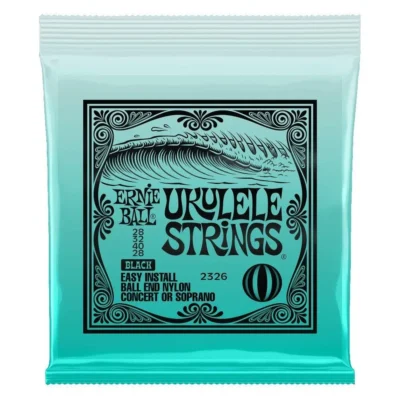 SKU: P02326
Ernie Ball Concert Nylon Ball End Ukulele Strings, Black 28, 32, 40, 28 Gauge
Original price was: $19.95.$19.00Current price is: $19.00.In Stock