
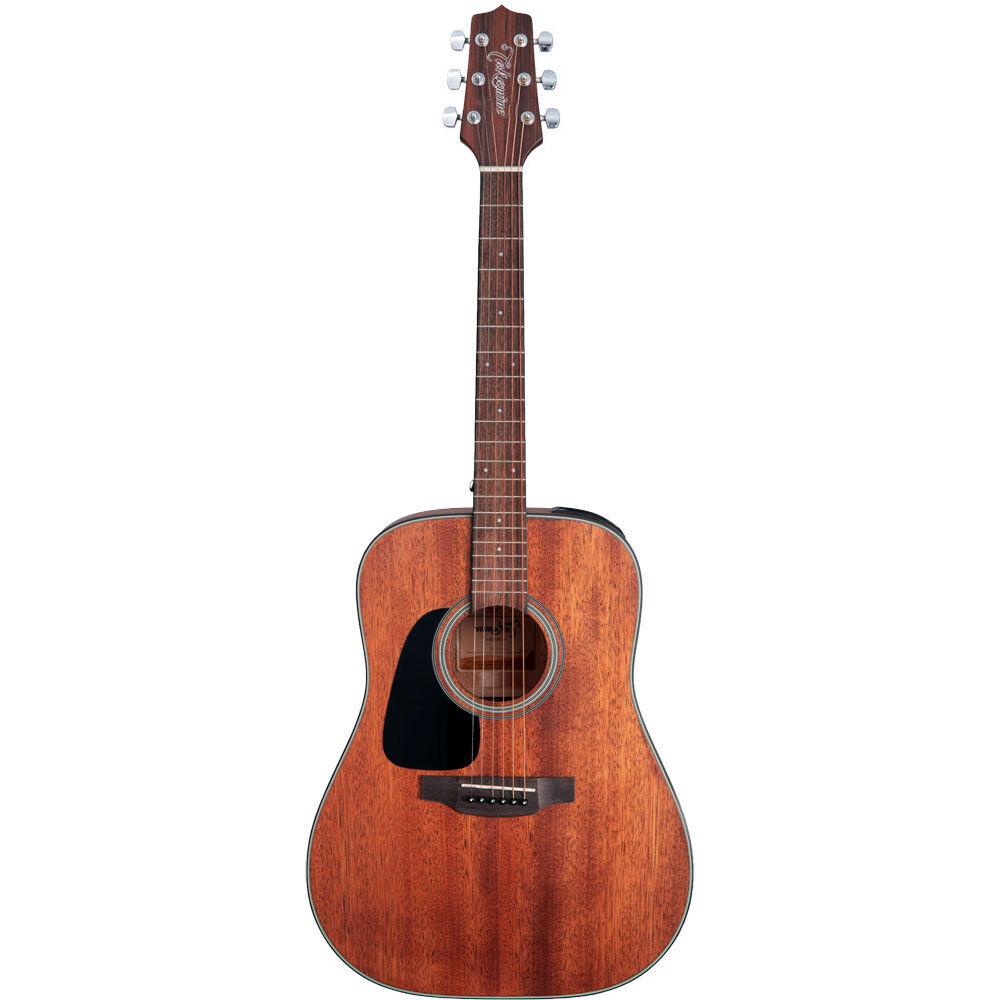
Takamine G11 Series Left Handed Dreadnought AC/EL Guitar in Natural Satin Finish
★★★★★ 4.9 Stars — Over 1,500 Google Reviews
Original price was: $749.00.$585.00Current price is: $585.00.
FAST
Delivery
EASY
Returns
IN HOUSE
Repairs



Check AU Shipping Cost
Pick-up from store - FREE
Free pickup from our Melbourne Store at 4 Drake Boulevard, Altona VIC 3018. Your order will typically be ready by the next business day. We recommend calling us on (03) 8360 7799 beforehand to check it's ready for collection.
International Shipping
Please proceed to checkout to see international rates and avalability.
Takamine TGLD11ENS-LH — Left-Handed Dreadnought Acoustic Electric, Short Scale 630mm (TGLD11ENSLH)
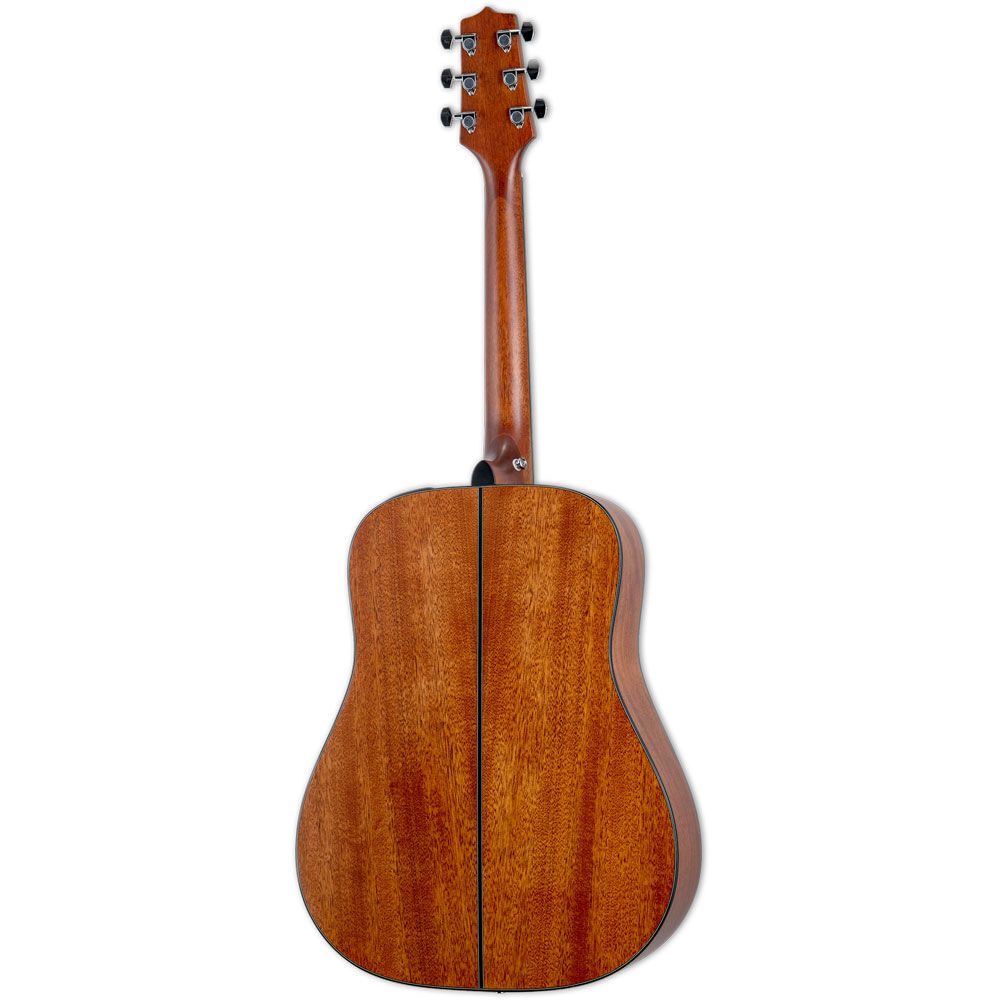
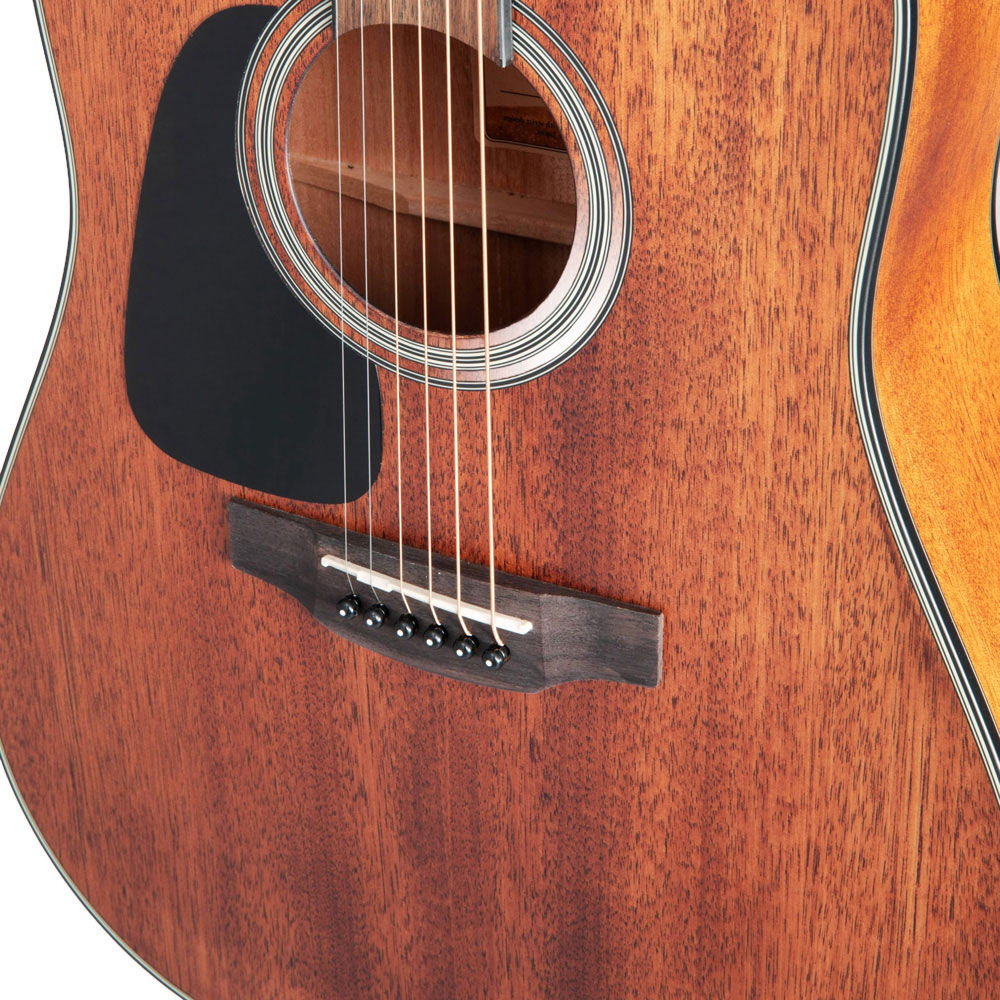
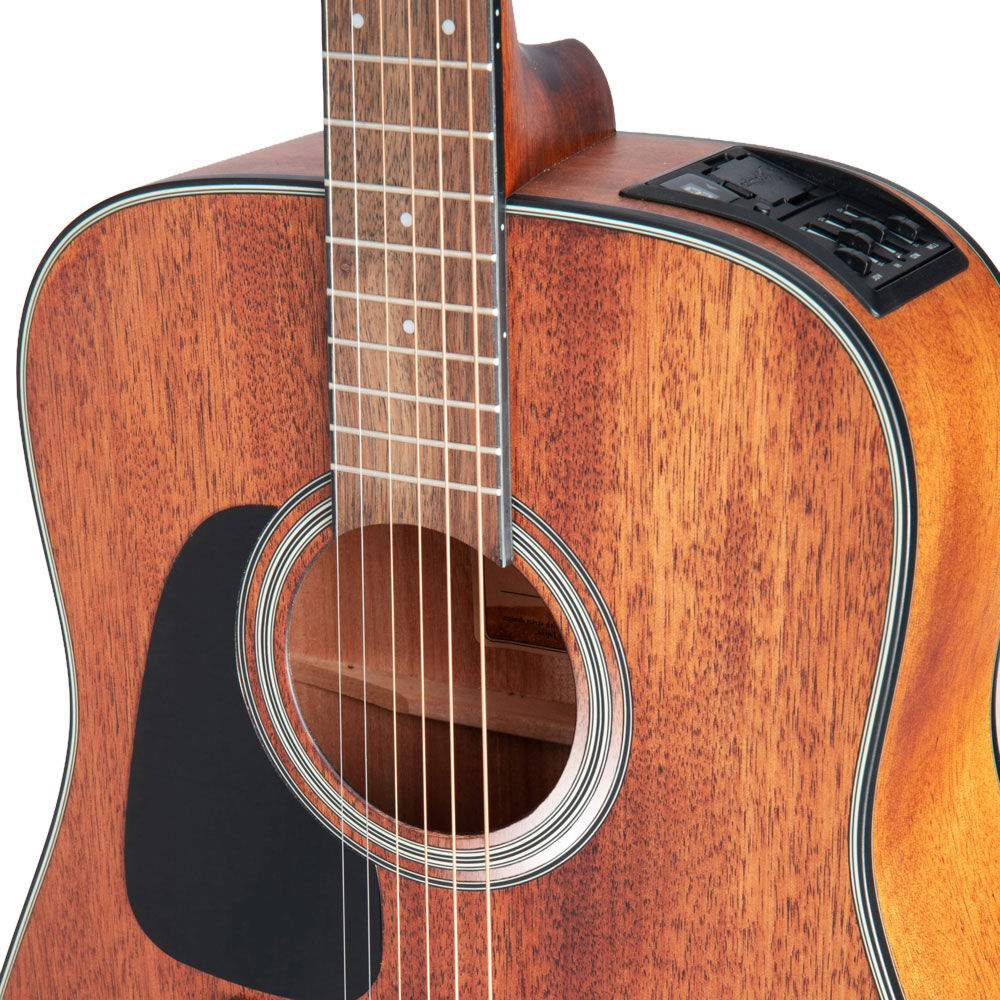
The Takamine TGLD11ENS-LH (TGLD11ENSLH) is a dedicated left-handed dreadnought acoustic electric guitar in the Takamine G-Series — built specifically for left-handed players, not a converted or restrung right-handed model. Okoume top, back and sides in natural satin finish, slim satin mahogany neck, jatoba fretboard with 12" radius, chrome diecast machine heads, 630mm short scale length, 42.8mm nut width, concentric circles rosette, and Takamine's TP-3G onboard preamp with 3-band EQ and built-in tuner. The 630mm short scale reduces string tension compared to a standard 644-645mm scale length — producing a softer, warmer feel that is measurably easier to play and particularly well suited to beginner players or those who find standard scale length physically demanding.
Angkor Music — Why Left-Handed Players Need a Dedicated Left-Handed Guitar, What Short Scale Changes, and Okoume's Tonal Character
Three things define the TGLD11ENS-LH. First, left-handed construction. This is not a right-handed guitar with the strings reversed — it is a purpose-built left-handed instrument. The difference matters more than many players realise. The nut is cut specifically for left-handed string order, the saddle compensation is calibrated for the string positions as they sit on a left-handed instrument, and the internal bracing — which determines how the top vibrates and projects sound — is designed for the string tension and positions of a left-handed setup. A right-handed guitar restrung for left-hand playing will have incorrect saddle compensation (producing poor intonation up the neck), a nut cut for the wrong string gauges in each slot (affecting action and tone), and bracing optimised for the opposite string configuration. For any player who is serious about the instrument, a dedicated left-handed guitar is the correct foundation. The TGLD11ENS-LH is one of relatively few dedicated left-handed acoustic electrics available at this price point — its existence in the range is itself a meaningful advantage for left-handed players whose options are typically limited. Second, the 630mm short scale. A standard dreadnought acoustic guitar has a scale length of approximately 644-645mm. The TGLD11ENS-LH's 630mm scale is approximately 14mm shorter — a difference that reduces string tension measurably across all six strings. Lower tension produces a softer feel under the fingers, reduces the force required to fret chords cleanly, makes string bending easier, and produces a slightly warmer, softer tonal character compared to a longer scale equivalent. For beginner players, short scale genuinely reduces the physical barrier to learning — chord shapes that feel difficult on a standard scale become more accessible, and finger fatigue during practice sessions is reduced. Third, okoume. All okoume construction — top, back and sides — produces the warm, fundamental-focused tone the product description calls rustic and rootsy. Okoume has a character similar to mahogany but slightly lighter, and in a fully okoume instrument the warmth is consistent across the whole body rather than being shaped by a contrast between top and back/sides tonewoods. At Angkor Music we stock left-handed guitars and can advise on the full left-handed range available to order.
Short Scale vs Standard Scale — What Changes
| Feature | Standard Scale (~644mm) | Short Scale (630mm — this guitar) |
|---|---|---|
| String tension | Standard — higher resistance | Lower — softer feel under fingers |
| Chord fretting effort | Standard pressure required | Less pressure — easier for beginners |
| Fret spacing | Standard | Slightly closer — suits smaller hands |
| Bending ease | Standard | Easier — less tension to push |
| Tonal character | Slightly brighter, more defined | Slightly warmer, softer |
Why a Dedicated Left-Handed Guitar Matters
Left-handed players are often advised to simply restring a right-handed guitar — and while this can work as a temporary solution, a purpose-built left-handed guitar is the correct instrument for any player who is serious about progressing:
- Nut: The nut slots are cut to the correct width for each string gauge in left-handed string order. A right-handed nut has the slots in the wrong order — the low E slot (wide) ends up at the treble side, causing the string to sit incorrectly and affecting both tone and intonation
- Saddle compensation: The saddle is angled to compensate for the difference in string mass across the six strings — this compensation is specific to string position and is reversed on a right-handed instrument restrung left-handed, producing intonation errors that worsen up the neck
- Bracing: The internal bracing of an acoustic guitar is designed for the tension and position of the strings as installed. A left-handed player on a right-handed instrument is playing against the bracing rather than with it
The TGLD11ENS-LH is built from the ground up as a left-handed instrument — every component oriented, cut and calibrated for left-hand playing.
Okoume Top, Back and Sides — Warm, Fundamental-Focused Tone
Okoume is an African hardwood with a warm tonal character similar to mahogany — slightly lighter in density, with a balanced frequency response that emphasises fundamental tones over treble brightness. In a fully okoume instrument — top, back and sides all the same wood — the warmth is consistent throughout the body rather than being shaped by a contrast between different tonewoods. The result is the rustic, rootsy character described in the product overview: robust fundamental tones with a warm, natural acoustic quality suited to folk, country, singer-songwriter and acoustic rock styles. The natural satin finish complements this character — satin is less reflective than gloss and produces a more tactile, organic feel on the body surface.
Jatoba Fretboard — 12" Radius
Jatoba (also known as Brazilian cherry) is a dense South American hardwood used as a sustainable alternative to rosewood on fretboards. Its density and hardness give good sustain and a smooth playing surface, with tonal properties similar to rosewood — warm with good note definition. The 12" fretboard radius is a modern standard — flatter than vintage-style radii (7.25" to 9.5") but not as flat as professional player preferences. The 12" radius is comfortable for chord playing without the note-choking on bends that tighter radii can produce, making it a practical choice for beginners who are developing both rhythm and lead technique.
Slim Satin Mahogany Neck
The slim neck profile reduces the distance the hand must stretch to reach the outer edges of the neck — making chord shapes more comfortable to form and sustain, particularly for players with smaller hands. The satin finish on the neck eliminates the drag of a gloss surface — the hand moves freely along the neck without sticking, which matters most during position shifts and fast chord changes.
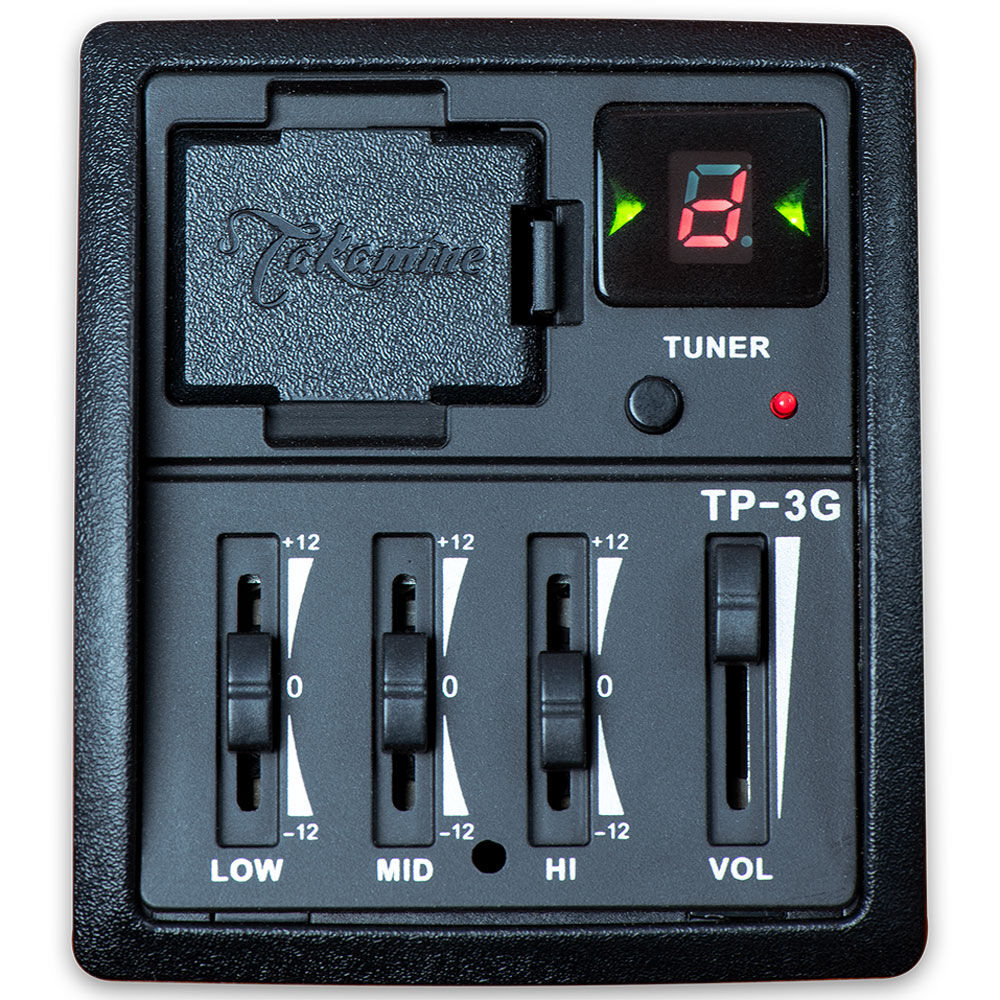
Takamine TP-3G Preamp
The TP-3G provides 3-band EQ (bass, mid, treble) and a built-in chromatic tuner. For a left-handed player this is particularly practical — the onboard tuner means silent stage tuning without relying on finding a left-handed tuner pedal in a hurry. The 3-band EQ allows the plugged-in tone to be shaped for any room or PA system.
Who Is the Takamine TGLD11ENS-LH For?
- Left-handed players who need a dedicated left-handed acoustic electric guitar — not a restrung right-hander
- Beginner left-handed players for whom the short scale and lower string tension make learning chord shapes and developing technique significantly more accessible
- Players with smaller hands who find standard scale length physically uncomfortable
- Left-handed players who want stage capability with onboard EQ and tuner at this price point
- Players who want the warm, rootsy tonal character of a fully okoume instrument
Specifications
| SKU | TGLD11ENSLH |
| Brand | Takamine |
| Series | G-Series |
| Type | Left-Handed Dreadnought Acoustic Electric |
| Finish | Natural Satin |
| Top | Okoume |
| Back and Sides | Okoume |
| Neck | Slim Satin Mahogany |
| Fretboard | Jatoba — 12" radius |
| Scale Length | 630mm (short scale) |
| Nut Width | 42.8mm |
| Rosette | Concentric circles |
| Machine Heads | Chrome diecast |
| Electronics | Takamine TP-3G — 3-band EQ, built-in tuner |
| Orientation | Left-handed |
Expert Advice at Angkor Music
At Angkor Music Melbourne we stock left-handed guitars and can advise on the full range of left-handed acoustic and acoustic electric instruments available. Contact us or visit us in Altona for left-handed specific advice.
★★★★★ 4.9 Stars — Read Our 1,600+ Google Reviews →
Frequently Asked Questions
Why can't I just restring a right-handed guitar for left-handed playing?
Restringing is a common workaround but produces a technically inferior instrument. The nut slots are cut for the wrong string gauges in each position, the saddle compensation is calibrated for the opposite string layout and will produce intonation errors up the neck, and the internal bracing is designed for string tension in right-handed position. A dedicated left-handed guitar like the TGLD11ENS-LH has every component oriented and calibrated for left-hand playing — nut, saddle, bracing and all hardware are correct from the factory.
What does short scale feel like compared to standard?
The most immediate difference is lower string tension — chords require less finger pressure to fret cleanly, bending is easier, and the hand fatigues less quickly during practice. The fret spacing is also marginally closer, which suits players with smaller hands. The tonal trade-off is a slightly warmer, softer character compared to the slightly brighter definition of a longer scale — on an okoume guitar this warmth is a complementary quality rather than a limitation. Most beginners find short scale significantly more comfortable to learn on.
What is jatoba and how does it compare to rosewood?
Jatoba (Brazilian cherry) is a dense South American hardwood used as a sustainable alternative to rosewood on fretboards. It shares rosewood's warmth and note definition, with a similar smooth playing surface and good sustain. Since Brazilian rosewood became restricted under CITES regulations, jatoba and similar hardwoods have become standard alternatives on quality instruments. In practical playing terms, jatoba performs comparably to rosewood.
Is this guitar suitable for a complete beginner who is left-handed?
Yes — the TGLD11ENS-LH is well suited to beginner left-handed players. The short scale reduces the physical demands of fretting, the slim neck profile makes chord shapes more accessible, and the satin neck finish reduces drag during playing. The TP-3G electronics mean the instrument remains stage-capable as the player develops, so there is no need to upgrade to a different guitar when the beginner stage is passed.
Does the onboard tuner work for left-handed players?
Yes — the TP-3G's built-in chromatic tuner reads the pitch of each string regardless of orientation. It will correctly identify and display the pitch of each string in left-handed standard tuning (EADGBE, same as right-handed, just the physical orientation of the guitar is mirrored).
Additional information
| Weight | 0.0000 kg |
|---|---|
| Type | Electro-Acoustic Guitar |
| String Configuration | 6 String |
Related Items & Accessories
Related products
-
14% OFF
RRP $569.00
Save $80.00
Sale!
 SKU: 11208-03
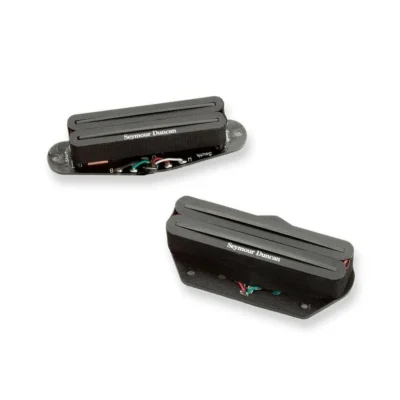
Seymour Duncan STHR-1 Hot Rails Tele Guitar Pickup Set – Black
Original price was: $569.00.$489.00Current price is: $489.00.In Stock -
11% OFF
RRP $4,699.00
Save $500.00
 SKU: 041152
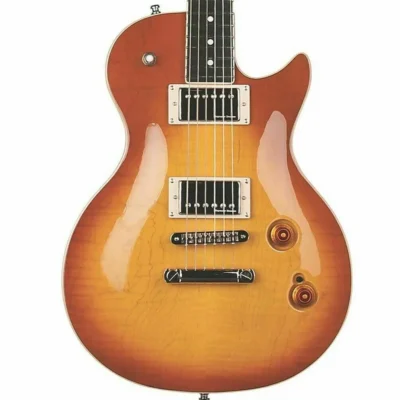
GODIN SUMMIT CLASSIC (CT) HB CREME BRULEE with Gig bag
Original price was: $4,699.00.$4,199.00Current price is: $4,199.00.In Stock -
35% OFF
RRP $3,399.00
Save $1,200.00
Sale!
 SKU: 041640
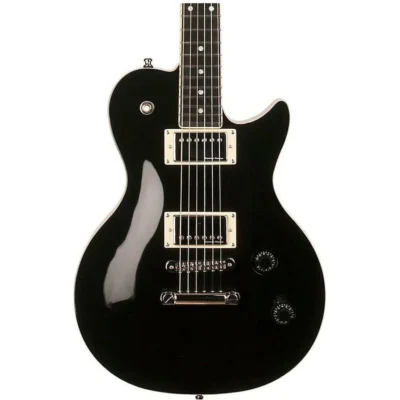
GODIN SUMMIT CLASSIC (CT) HB Black with Gig bag Seymour Duncan Humbuckers
Original price was: $3,399.00.$2,199.00Current price is: $2,199.00.Out of stock -
15% OFF
RRP $299.00
Save $44.00
Sale!
 SKU: 11102-96-B
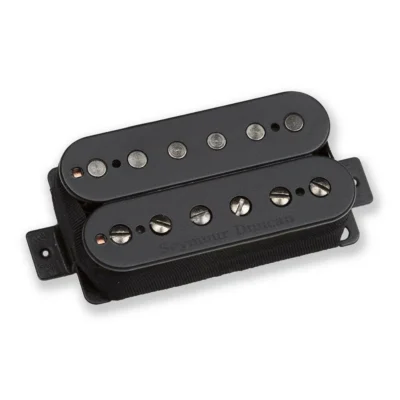
Seymour Duncan 11102-96-B Nazgul Bridge Black Guitar Pickup
Original price was: $299.00.$255.00Current price is: $255.00.In Stock -
16% OFF
RRP $269.00
Save $44.00
Sale!
 SKU: 11205-02-B
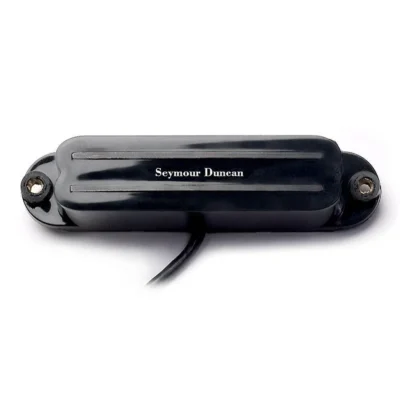
Seymour Duncan SHR-1b Hot Rails for Strat Guitar Pickup in Black Bridge
Original price was: $269.00.$225.00Current price is: $225.00.In Stock