
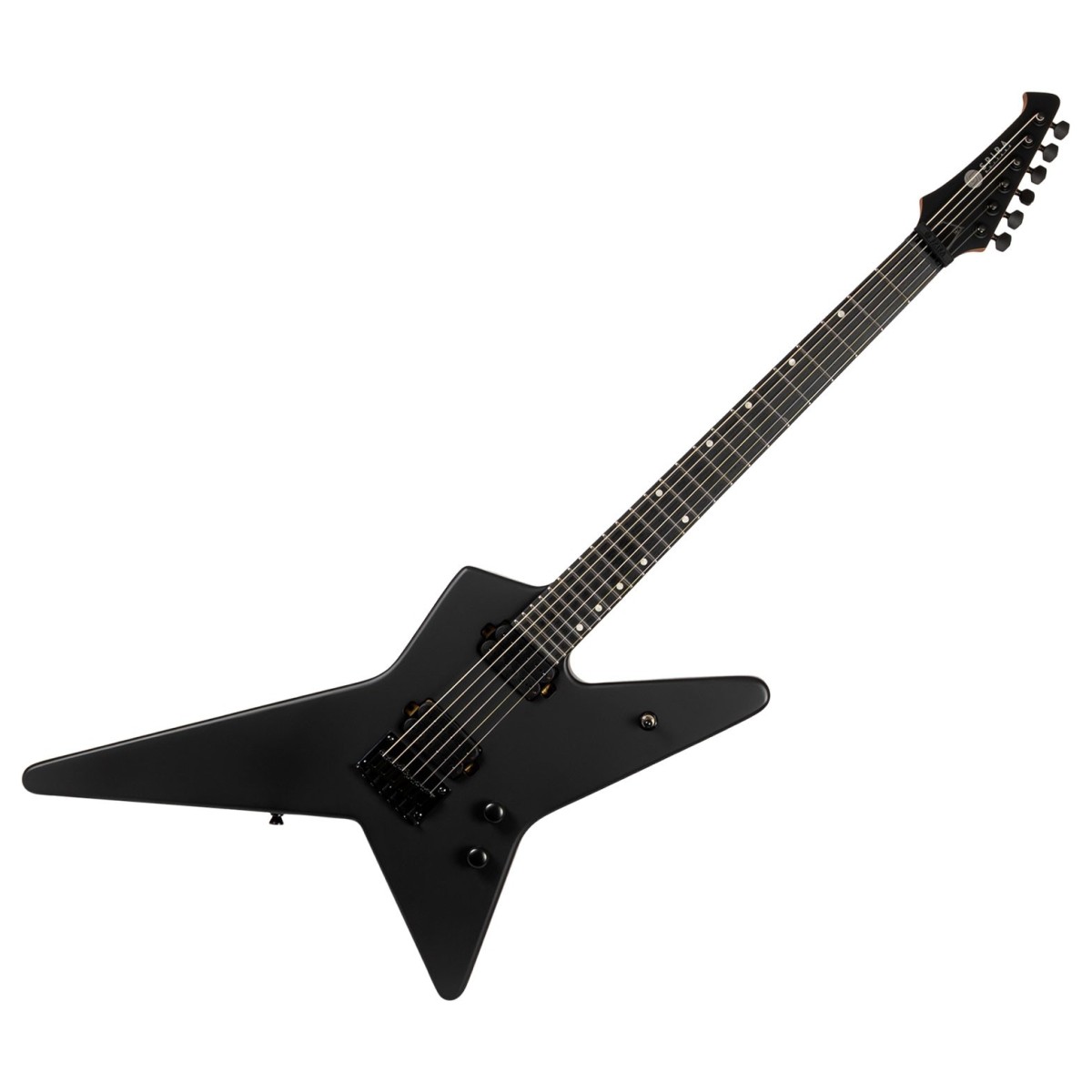
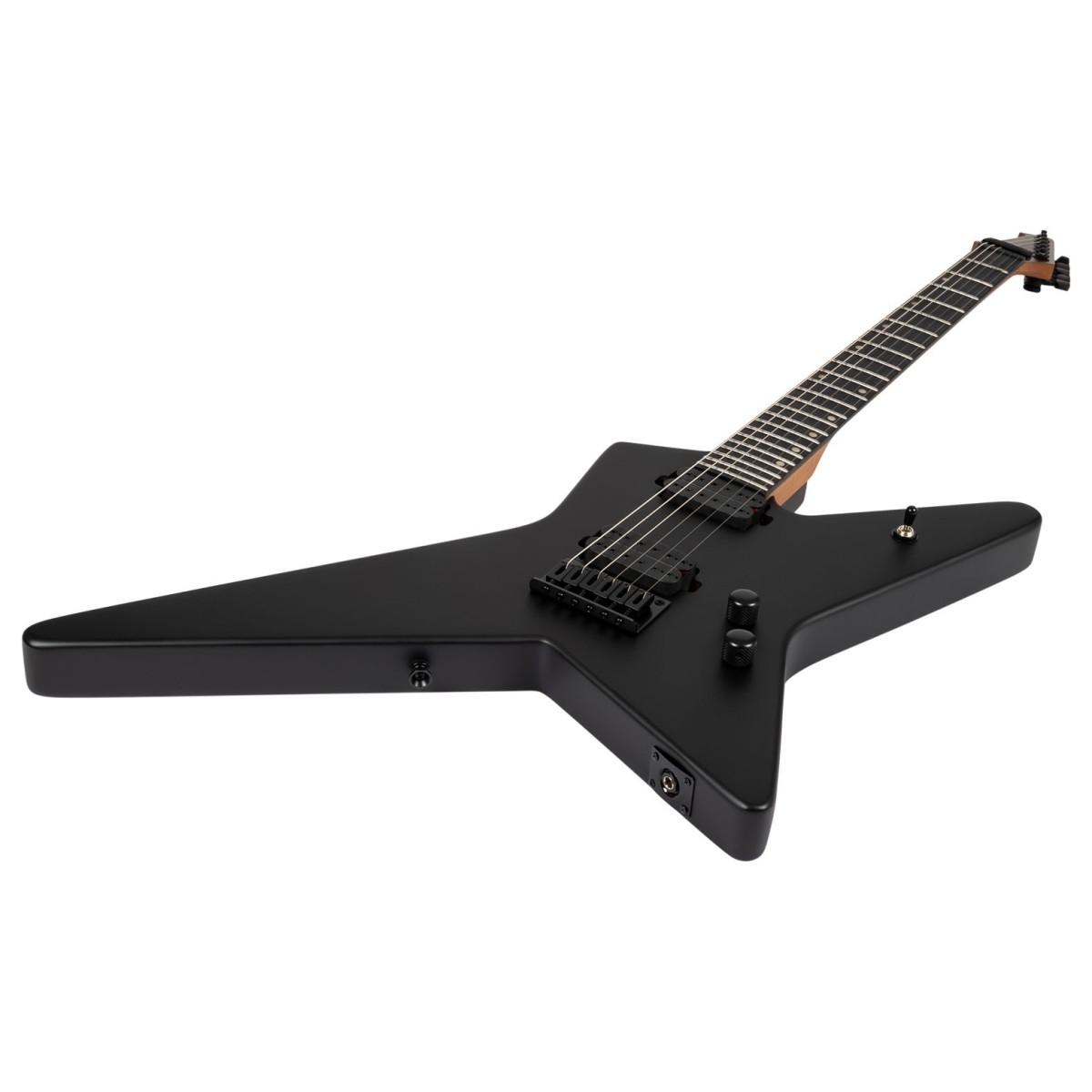
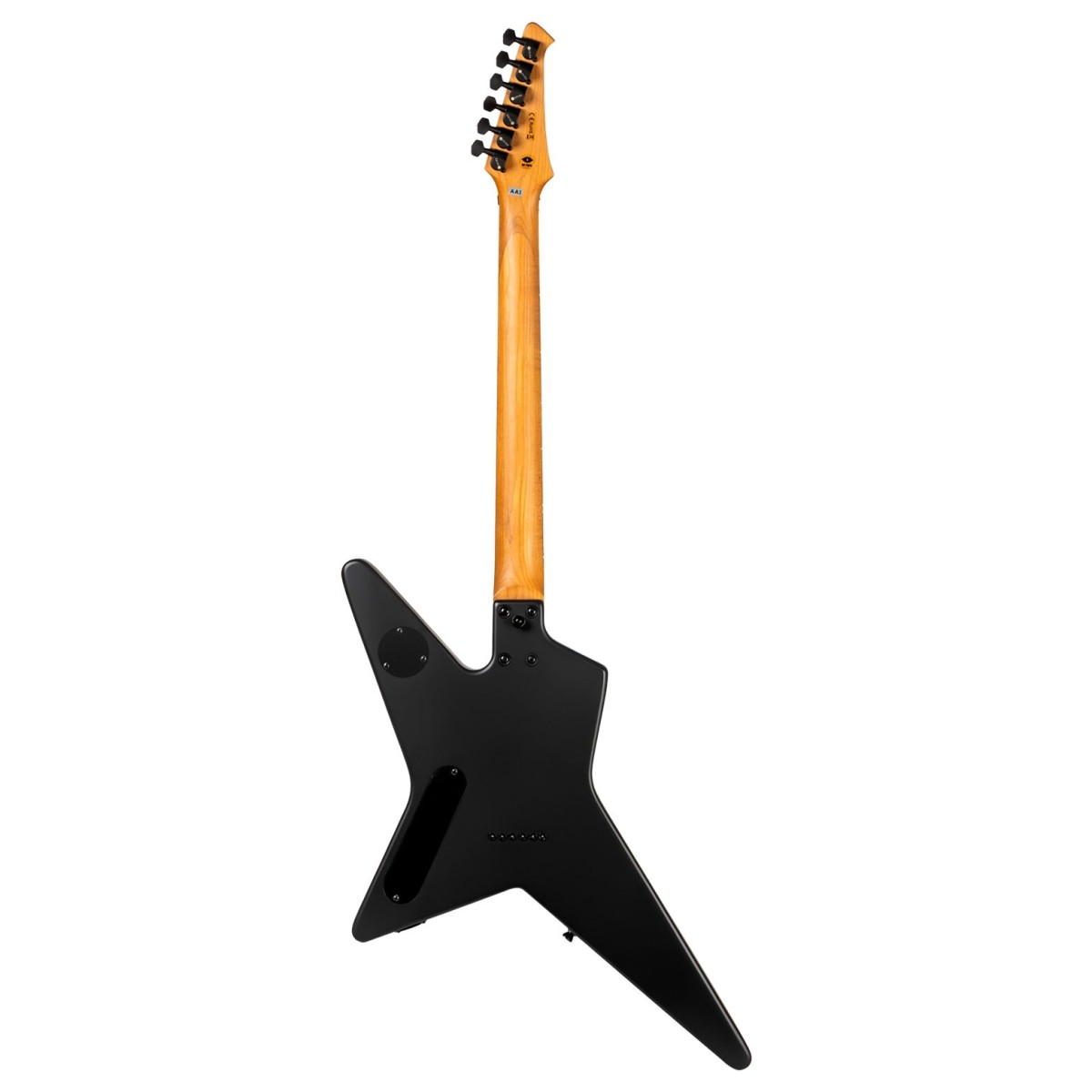
Spira SR-400-MBK Electric Guitar – Matt Black
★★★★★ 4.9 Stars — Over 1,500 Google Reviews
Original price was: $799.00.$669.00Current price is: $669.00.
FAST
Delivery
EASY
Returns
IN HOUSE
Repairs



Check AU Shipping Cost
Pick-up from store - FREE
Free pickup from our Melbourne Store at 4 Drake Boulevard, Altona VIC 3018. Your order will typically be ready by the next business day. We recommend calling us on (03) 8360 7799 beforehand to check it's ready for collection.
International Shipping
Please proceed to checkout to see international rates and avalability.
Spira SR-400 Electric Guitar — Satin Black
The Spira SR-400 (SKU: SR-400-MBK) is the fixed-bridge version of Spira's hard rock and metal S-series: a star-body double-cutaway guitar built around the same core specification as the SR-420 — roasted poplar body, Canadian Roasted Maple neck with Modern D profile, Hi-Graded Ebony Tech fretboard at a 14-inch radius, 24 jumbo frets, and Spira's Villain high-output ceramic humbuckers — but with a fixed bridge and a bone nut in place of the SR-420's locking tremolo system. In Satin Black with black hardware throughout, the SR-400 is a no-compromise instrument for players who want the aggressive tonal character and neck geometry of a metal-focused guitar without the setup demands of a floating tremolo.
Angkor Music — Fixed Bridge vs Locking Tremolo: Why the SR-400 Is the Right Choice for Many Players
A locking tremolo offers divebombs and whammy effects — but it comes with real trade-offs: restringing is more involved, drop tuning mid-set requires unlocking and retuning, and the spring cavity in the back of the body needs periodic adjustment as string gauges or tunings change. The SR-400's fixed bridge eliminates all of this. You can retune to Drop D between songs by turning a machine head. You can restring in minutes. You get more direct coupling between string and body, which many players hear as improved sustain and resonance. For players who work in alternate tunings, use a capo, or simply want a guitar they can pick up and play without setup management, the fixed bridge is the more practical choice — and the SR-400 gives you everything else the SR-420 offers at the same time. Come into Angkor Music and try both side by side if you want to make the comparison in person.
Star Body Shape and Upper Fret Access
The SR-400 uses Spira's star-inspired double-cutaway body shape — a design lineage that runs through the sharp, angular '80s metal instruments from brands including Jackson, BC Rich, and Dean. The aggressive pointed geometry is part of the visual language of rock and metal on stage: high-visibility, purposeful, and impossible to mistake for anything else.
The body shape is not only aesthetic. Both cutaways are cut deep into the body, allowing the fretting hand to reach the upper register — the 20th, 22nd, and 24th frets — without the body blocking thumb or wrist position. On more traditional body shapes with shallower cutaways, playing comfortably above the 15th fret can require an awkward adjustment in hand angle. On the SR-400, the upper bout clears the neck joint and the body tapers away, so high-position lead work is physically accessible rather than technically possible but uncomfortable.
Fixed Bridge — Sustain, Simplicity, Tuning Stability
The SR-400's fixed bridge anchors each string directly to the body at a set point, with individual saddles for intonation and height adjustment. There are no springs, no pivot points, and no floating mechanism to manage.
The practical advantages are three. First, tuning stability: a fixed bridge keeps the strings at constant tension when not being played. There is no spring system that can drift or be destabilised by temperature, humidity, or an aggressive bend on one string pulling the entire bridge slightly. Second, sustain and resonance: the direct coupling between string and body through a fixed bridge transfers vibration energy more efficiently than a floating bridge, and many players hear this as improved sustain and a fuller, more resonant tone. Third, simplicity: alternate tunings — Drop D, Open G, half-step down — are a matter of turning the machine heads. Restringing takes the time it takes to change strings, with no saddle locks to open and close. For players who switch tunings regularly or want an instrument they can maintain without specialist knowledge, the fixed bridge is a significant quality-of-life advantage.
Bone Nut
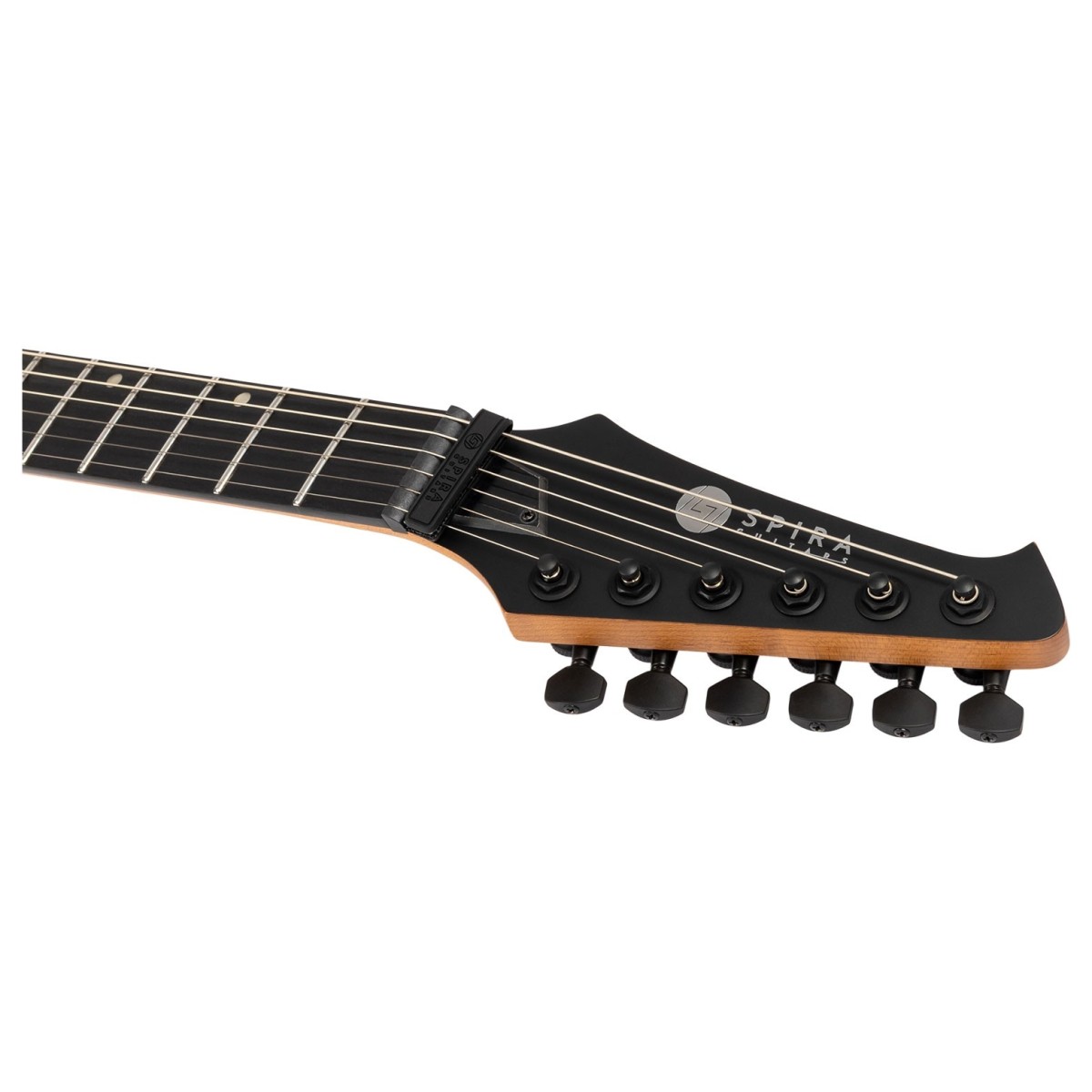
The SR-400's nut is bone — a dense, hard organic material used in quality instrument building at all price points. The nut is one of two physical contact points at which the string's vibrating length is defined (along with the bridge saddles). The material it is made from affects how cleanly the string seats in its slot, how accurately intonation is maintained at the open-string position, and how efficiently the string's energy is transferred into the neck.
Bone is hard enough to resist the string cutting into the slot over time, which keeps nut slot geometry accurate across the instrument's life. It seats each string in a precise, stable position, which contributes to reliable intonation on open strings and first-position chords. And its density transfers vibration efficiently — open strings on a quality bone nut tend to sound full and resonant rather than thin or dead at the contact point. On an instrument where the nut is working alongside a fixed bridge rather than a locking system, the quality of the bone nut is a direct contribution to the guitar's overall tone and stability.
Roasted Poplar Body
The SR-400 body is roasted poplar — heat-treated through a controlled torrefaction process that drives off residual moisture from the wood fibres. Roasting improves dimensional stability (the wood reacts less to changes in humidity and temperature) and produces a consistent, balanced tonal response: tight low end, defined midrange, and clear highs. These tonal qualities suit high-gain playing, where a tonally loose or midrange-congested body can make distorted tones harder to control and mix. Poplar is a light, resonant tonewood that is well established in guitar manufacturing; the roasting process refines its performance and stability without changing the body's fundamental character.
Canadian Roasted Maple Neck — Modern D Profile
The SR-400 neck is Canadian Roasted Maple, heat-treated through the same torrefaction process as the body. Roasted maple is more dimensionally stable than standard maple — less prone to movement when the guitar moves between environments with different humidity or temperature — and has a slightly open, matte surface texture under the hand. The Modern D profile is a slightly flatter, more angular cross-section than a standard C profile, suited to a thumb-over-the-neck grip and fast single-note runs across the upper strings. Scale length is 25.5 inches.
Ebony Tech Fretboard — 14-Inch Radius, 24 Jumbo Frets
The fretboard is Hi-Graded Ebony Tech — Spira's designation for an engineered synthetic fretboard material designed to replicate the key properties of ebony: hardness, smoothness, and a fast playing surface. Synthetic fretboard materials offer consistency that natural wood cannot always guarantee, and they are unaffected by the humidity changes that can cause natural wood fretboards to swell, shrink, or develop surface irregularities over time.
The 14-inch radius is considerably flatter than most standard electric guitar fingerboards. On rounder-radius necks — 9.5-inch or 10-inch being common — string bending in the upper positions can cause the bent string to contact a higher fret and cut out sharply. At 14 inches, the fretboard curves much less across its width, and strings track closer to the surface during bends, which substantially reduces or eliminates fretting out. For the kind of extended upper-register lead playing that metal and hard rock demand, this flat radius is a technical advantage. Twenty-four jumbo frets extend the available range by two frets above the 22-fret standard, covering the additional high notes that lead lines in these styles frequently use.
Spira Villain Humbuckers — Ceramic, 12K Output, HH Configuration
The SR-400 runs Spira's Villain humbuckers — custom-voiced ceramic-magnet pickups with 12,000-ohm DC resistance (12K output), in a bridge and neck HH configuration. Ceramic magnets produce a stronger, harder-edged magnetic field than alnico alternatives, which translates to higher output, a brighter high-end character, and note-to-note definition that is maintained under heavy gain processing. At 12K output, the Villain pickups drive the front end of a guitar amplifier firmly, increasing gain response, sustain, and harmonic content — qualities that are by design for the style the SR-400 is built for.
The control layout is deliberately minimal: 1 Volume, 1 Tone, and a 3-position toggle for pickup selection. No push-pull coil-splits, no phase switches, no additional switching to think about. The signal path is short and direct.
Satin Black Finish and Black Hardware
The Satin Black finish is a low-sheen surface treatment that gives the SR-400 a matte, tactile quality quite different from a gloss instrument. Satin finishes do not show fingerprints and handling marks as readily as gloss surfaces — a practical advantage for a stage guitar that gets handled regularly. The finish on the back of the neck in particular feels different under the fretting hand: smooth but not reflective, with less tendency to drag when the hand moves in position. All hardware — bridge, machine heads, control knobs — is black, which reads cleanly against the Satin Black body and gives the guitar a consistent, purposeful appearance.
Who Is the SR-400 For?
The SR-400 suits hard rock and metal players who want a serious instrument at a practical price — and who value the simplicity, sustain, and tuning reliability of a fixed bridge over the pitch-shifting capabilities of a locking tremolo. The flat 14-inch radius and 24 jumbo frets mean the neck is genuinely suited to extended upper-register lead work rather than just shaped to look like a metal guitar. The Villain ceramic humbuckers are voiced for gain and clarity. The bone nut and roasted woods represent quality specifications above what most competitors at this price include. Players who use alternate tunings regularly, those who are newer to guitar maintenance and want an instrument that requires minimal setup management, and those who simply prefer the feel and response of a fixed bridge will find the SR-400 the more practical choice over the SR-420. For players who want the divebombs and whammy effects that only a locking tremolo provides, the SR-420 is the alternative.
Specifications
| SKU | SR-400-MBK |
| Brand / Model | Spira SR-400 |
| Colour / Finish | Satin Black |
| Body | Roasted Poplar |
| Body Finish | Satin |
| Body Shape | Star-style double-cutaway |
| Neck | Canadian Roasted Maple — Modern D profile |
| Fretboard | Hi-Graded Ebony Tech (engineered synthetic) |
| Radius | 14" |
| Scale Length | 25.5" |
| Frets | 24 Jumbo |
| Nut | Bone — 43mm |
| Truss Rod | Double action |
| Machine Heads | Black |
| Pickups | Spira Villain HH — ceramic magnets, 12K output, custom voiced |
| Controls | 1x Volume, 1x Tone, 3-position toggle |
| Bridge | Fixed |
| Hardware | Black throughout |
Expert Advice at Angkor Music
At Angkor Music Melbourne we stock Spira Guitars. If you want to compare the SR-400 and SR-420 in person, discuss fixed bridge versus locking tremolo for your style of playing, or get advice on strings and setup for alternate tunings or drop tuning, our team is glad to help — and you are welcome to play the SR-400 in store before you decide.
★★★★★
4.9 Stars — Read Our 1,600+ Google Reviews →
Frequently Asked Questions
What is the difference between the SR-400 and the SR-420?
The SR-420 adds a Sung-il locking tremolo and a locking nut in place of the SR-400's fixed bridge and bone nut. Everything else — roasted poplar body, roasted maple neck, Ebony Tech fretboard, 14-inch radius, 24 jumbo frets, Villain humbucker specification, controls, and hardware colour — is the same. The SR-420 is the choice if tremolo technique — divebombs, flutter, whammy effects — is part of your playing. The SR-400 is the choice if you prefer simpler setup, better compatibility with alternate tunings, or the sustain and directness of a fixed bridge.
Can I use drop tunings on the SR-400?
Yes, and more easily than on the SR-420. With a fixed bridge and a bone nut, changing between standard tuning and Drop D (or lower) is a matter of retuning the low E string — no spring tension adjustment, no locking or unlocking required. The SR-400 is fully compatible with Drop D, Drop C, Eb, D standard, and other common alternate tunings used in rock and metal. Just retune and play.
What is Ebony Tech and how does it play?
Hi-Graded Ebony Tech is Spira's name for an engineered synthetic fretboard material designed to replicate the playing feel of ebony: hard, smooth, and fast under the fingers. It is not natural ebony. Synthetic fretboard materials of this type offer consistent performance across the playing surface, resist humidity-related changes that can affect natural wood fingerboards, and require no special maintenance. For playing feel and durability, it performs well in the role — the surface is hard enough to resist wear and smooth enough to support fast playing.
Why does the flat 14-inch radius matter for lead playing?
Most guitars use a 9.5-inch or 10-inch radius — a pronounced curve across the fretboard width. On rounder-radius necks, bending a string in the upper positions can cause the string to contact a higher fret and cut out abruptly. At 14 inches, the SR-400's fretboard is considerably flatter — strings move less distance toward the fretboard during bends and are far less likely to fret out. For extended upper-register lead playing — the 15th to 24th fret range that hard rock and metal solos frequently inhabit — a flat radius is a practical technical advantage.
Does the SR-400 need a setup out of the box?
Spira Guitars are set up at the factory, but shipping can introduce small changes in neck relief, string action, or intonation. At Angkor Music we can check and adjust the SR-400 to your preferred string action and playing feel. Ask about a professional setup when you purchase — it is a worthwhile investment on any new guitar, and it ensures the instrument performs to its full potential from the first session.
Additional information
| Weight | 7.0 kg |
|---|---|
| Type | Electric Guitar |
Related Items & Accessories
Related products
-
18% OFF
RRP $3,299.00
Save $600.00
Sale!
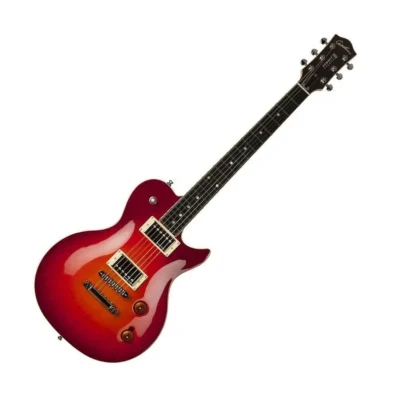 SKU: 041657
GODIN SUMMIT CLASSIC (CT) HB Cherryburst with Gig bag Seymour Duncan Humbuckers
Original price was: $3,299.00.$2,699.00Current price is: $2,699.00.Out of stock -
40% OFF
RRP $4,699.00
Save $1,900.00
Sale!
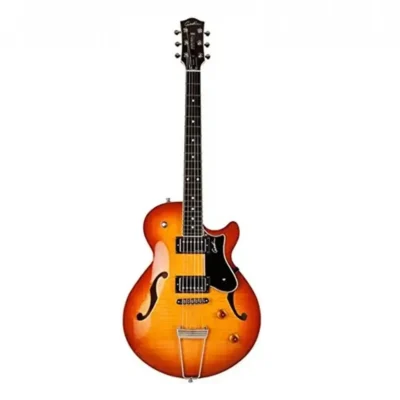 SKU: 039852
GODIN Montreal Premiere Supreme Lightburst Flame HG Supreme Semi Hollow
Original price was: $4,699.00.$2,799.00Current price is: $2,799.00.Out of stock -
10% OFF
RRP $749.00
Save $74.00
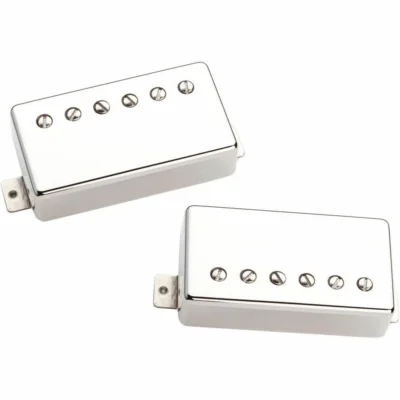 SKU: 11108-49-NC
Seymour Duncan Pearly Gates Humbucker Pickup Set – Nickel Bridge/Neck set
Original price was: $749.00.$675.00Current price is: $675.00.Out of stock -
56% OFF
RRP $7,999.00
Save $4,500.00
Sale!
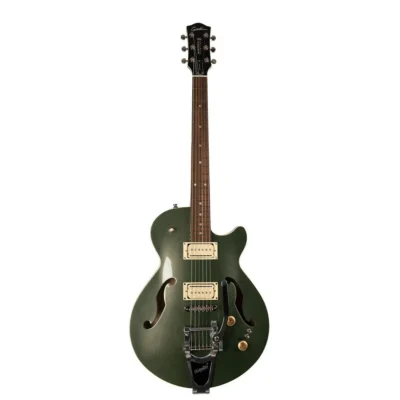 SKU: 04135
Godin Montreal Premiere Limited Desert Green w/Bigsby Archtop Electric Guitar
Original price was: $7,999.00.$3,499.00Current price is: $3,499.00.Out of stock -
8% OFF
RRP $299.00
Save $24.00
 SKU: 1101-05-B4c
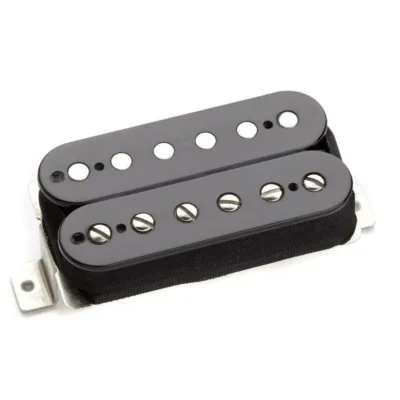
Seymour Duncan SH-1b ’59 Model 4-Conductor electric Guitar Pickup – Black Bridge
Original price was: $299.00.$275.00Current price is: $275.00.Out of stock