
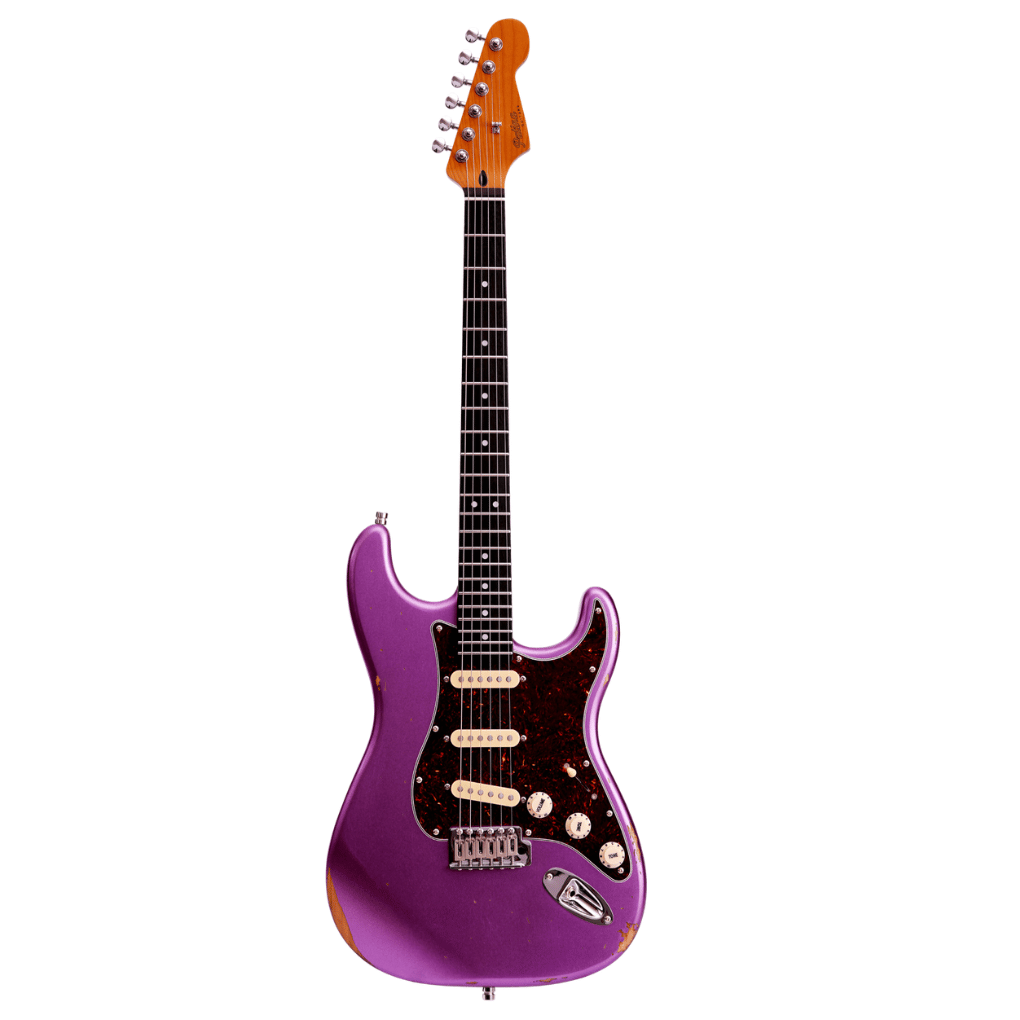
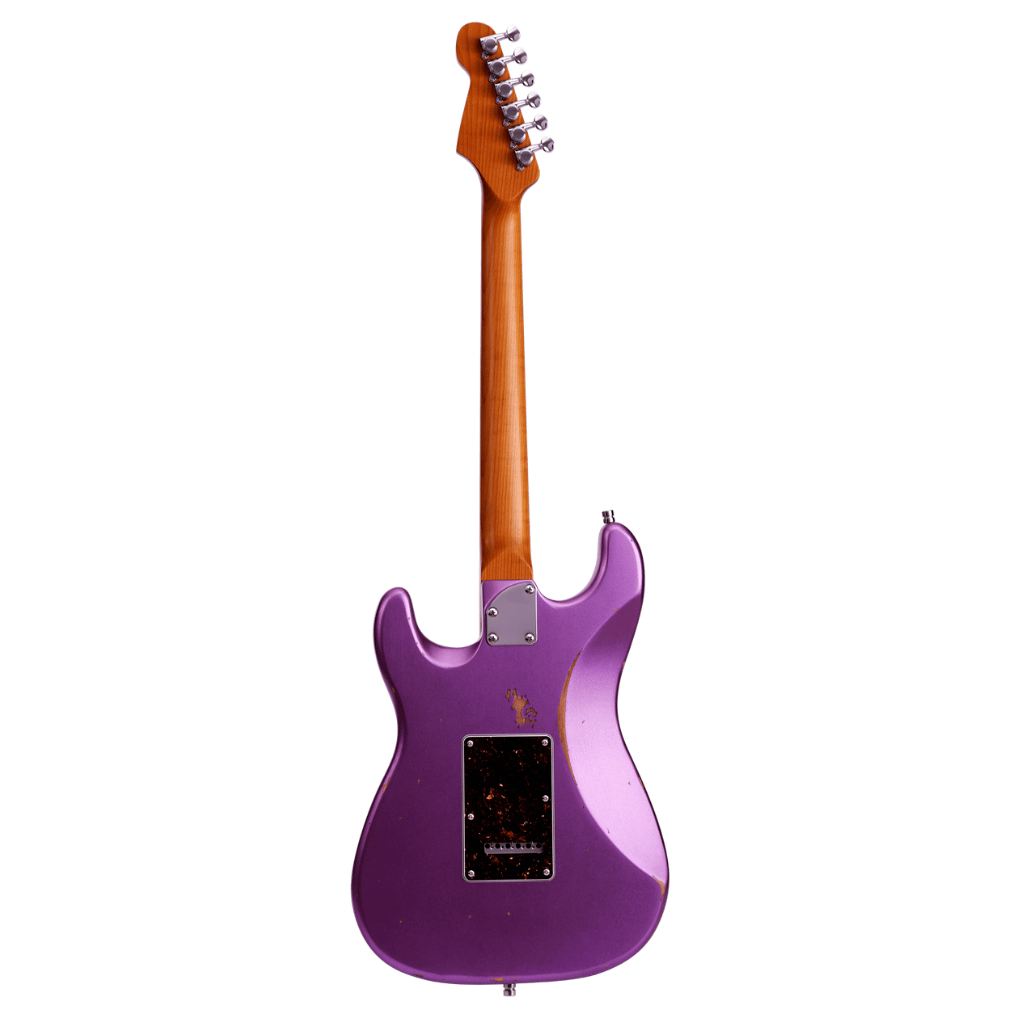
Patina Guitars PS-6 Electric Guitar RW Purple Road Worn Nitrocellulose
★★★★★ 4.9 Stars — Over 1,500 Google Reviews
Original price was: $1,299.00.$999.00Current price is: $999.00.
FAST
Delivery
EASY
Returns
IN HOUSE
Repairs



Check AU Shipping Cost
Pick-up from store - FREE
Free pickup from our Melbourne Store at 4 Drake Boulevard, Altona VIC 3018. Your order will typically be ready by the next business day. We recommend calling us on (03) 8360 7799 beforehand to check it's ready for collection.
International Shipping
Please proceed to checkout to see international rates and avalability.
Patina PS-6 Purple Electric Guitar — Custom Handwound SSS with Road Worn Nitro Finish
The Patina PS-6 takes the Stratocaster layout somewhere genuinely interesting: a lightweight Paulownia body, a quarter-sawn roasted maple neck with satin nitrocellulose finish, custom handwound Alnico V single-coils, and 22 jumbo stainless steel frets — all under a Purple nitrocellulose finish with intentional road worn relicing. This is not a budget approximation of a vintage guitar. It is a thoughtfully specified instrument that puts premium materials and real tonal decisions into a familiar double-cutaway shape.
★ Expert Insight — What Makes the PS-6 Different?
Most SSS guitars at this price point use poly finishes, standard nickel-silver frets and import tuners. The Patina PS-6 combines four upgrades you rarely see together: a nitrocellulose finish (thinner, lighter, ages naturally), stainless steel frets (dramatically harder-wearing), locking tuners with a 19:1 gear ratio (precise and stable), and a quarter-sawn, heat-treated roasted maple neck (more dimensionally stable than standard maple across seasons).
Add custom handwound Alnico V pickups and a road worn relic aesthetic, and the PS-6 positions itself less as a vintage copy and more as a modern guitar built to age and play like a loved instrument — from day one.
Paulownia Body — Lightweight with Its Own Voice
Paulownia is one of the lightest tonewoods used in electric guitar construction, noticeably lighter than alder or ash. For players who spend hours standing with a guitar — rehearsals, long sets, recording sessions — the weight reduction is a practical comfort advantage. It is not simply an economy material: Paulownia has a naturally bright, open-sounding tonal character with a clear attack that suits the single-coil pickup configuration well.
The open-grained structure of Paulownia also takes a nitrocellulose finish well, which is exactly what Patina has done here. The result is a body that is genuinely pleasant to wear and tonally transparent — letting the pickups and the player's technique come through rather than imposing a thick, heavy character of its own.
Road Worn Nitrocellulose Finish — Vintage Aesthetics and Real-World Benefits
Nitrocellulose lacquer (nitro) was the standard guitar finish in the 1950s and 1960s before polyurethane took over production lines. The difference matters for two reasons beyond aesthetics: nitro is applied in much thinner coats than poly, so it adds less mass to the body and allows the wood to resonate more freely. It also softens slightly with body heat and friction over time, giving it a worn, comfortable feel that poly never fully replicates.
The road worn relicing on the PS-6 — checking and wear marks — is deliberate. Checking is the network of fine hairline cracks that develops in vintage nitro finishes as they age and contract with temperature changes. On a genuine 60-year-old guitar these develop naturally over decades. On the PS-6 they are applied intentionally, giving the guitar a broken-in visual character and a finish that has already started its aging story. Players who want a guitar that looks lived-in from the first rehearsal will find this appealing. Players who prefer pristine may prefer a different colourway or finish.
Quarter-Sawn Roasted Maple Neck — Stability and Satin Feel
Quarter-sawn timber is cut so that the growth rings run roughly perpendicular to the face of the board. For a guitar neck this matters significantly: quarter-sawn wood is considerably more resistant to warping and movement across seasonal humidity and temperature changes than flat-sawn timber. The grain is typically straighter and tighter, which also tends to produce a stiffer, more responsive neck.
The roasting process (torrefaction) adds another layer of stability. The maple is heat-treated in a low-oxygen environment at elevated temperatures, which removes moisture and alters the cellular structure of the wood permanently. A roasted maple neck will not expand and contract with humidity changes the way untreated maple does — it has already undergone the dimensional changes that unroasted wood goes through over many years. The result is a neck that stays in adjustment more reliably across seasons and climates.
The satin nitrocellulose finish on the back of the neck is the right choice for fast playing. Gloss finishes create friction as the palm moves along the neck. Satin nitro is smooth without being sticky, allowing the fretting hand to shift positions freely without drag. Over time the satin nitro will develop a hand-worn polish in the most-used positions — another piece of natural aging that adds to the road worn character of the instrument.
The Modern C neck profile is the standard comfortable, slightly oval shape that suits a wide range of hand sizes and playing styles — neither the very thin Ultra Thin C of some shredder guitars nor the chunkier vintage profiles. The rosewood fingerboard contributes a warm, slightly dark tonal character and a smooth, oiled playing surface.
Custom Handwound Alnico V Single-Coils — The SSS Voice
The PS-6 uses three custom handwound single-coil pickups, each wound to approximately 7k DC resistance with Alnico V magnets. This is a relatively clear brief: Alnico V is the most widely used magnet alloy in vintage-voiced single-coils, offering a balanced frequency response with bright highs, a clear midrange, and a dynamic attack that responds expressively to picking weight and angle.
Handwound pickups differ from machine-wound units in that the wire distribution around the bobbin is slightly irregular — the tension, layering and scatter of the coil varies subtly between passes in a way that machine winding does not replicate. This randomness in the winding creates a slightly more complex, layered tone that some players describe as having more character or bloom at the edges of notes. Whether this is audible in a live mix is debated, but it is a genuine manufacturing distinction.
The five-way switch gives access to all three pickups individually (positions 1, 3 and 5) and the famous in-between combinations (positions 2 and 4). Positions 2 and 4 combine adjacent pickups wired out-of-phase relative to each other, which cancels some hum while producing the distinctive quack that is central to the Strat sound — the thin, nasal, slightly hollow character that cuts through a band mix in a way no other pickup combination quite matches.
Two tone controls (one for the middle pickup, one for the neck pickup in the standard wiring arrangement) allow independent tonal adjustment across positions. Alpha pots are quality control components — consistent resistance values and reliable long-term operation.
13.75" Radius, Jumbo SS Frets and Rounded Edges
The rosewood fingerboard has a 13.75" (349.3 mm) radius — meaningfully flatter than the 7.25" radius of vintage Fender instruments and slightly flatter than the 9.5" radius common on modern Fender production guitars. A flatter radius reduces the chance of notes fretting out during bends in the upper register, where the arc of a very curved fingerboard causes bent strings to contact higher frets. Players who use expressive wide vibrato or push bends up by a tone or more will appreciate a flatter radius.
The 22 jumbo stainless steel frets with rounded edges deliver a playing experience that differs noticeably from standard nickel-silver frets. Stainless steel is significantly harder — nickel-silver frets will typically show noticeable wear within a few years of regular playing, while stainless steel can last decades. The rounded edge treatment means the fret ends don't have the slightly sharp feel that can catch the palm during position shifts on instruments where the fret ends haven't been fully finished. Combined, these details suggest a guitar that has been built with the playing experience under the hands in mind, not just the specification sheet.
Luminescent side dots are a simple, practical feature: they absorb ambient or stage light and provide a subtle glow in lower-light conditions, making position markers visible on stage without adding bulk or weight.
Tremolo Bridge and 19:1 Locking Tuners
The tremolo bridge allows pitch manipulation — pressing the arm (whammy bar) towards the body flattens pitch; pulling it up (on floating setup) sharpens it. For vintage Strat-style sounds, gentle tremolo use is central: subtle vibrato on notes, dive-bomb effects, or the slightly wavering pitch on chord pads that defined 1950s and 1960s recordings.
Unlike a double-locking Floyd Rose system, a traditional tremolo bridge does not lock the strings at the nut and saddle, which means tuning stability is more dependent on string quality, setup, and nut slot lubrication. The 19:1 locking tuners on the PS-6 address the tuner end of this equation: locking tuners clamp the string at the post, eliminating the multiple string wraps that can shift under tension. Combined with a quality nut — bone in this case, which provides precise string seating and good tonal transfer — the setup should be noticeably more stable than a standard Strat-style instrument.
The 42mm bone nut is a quality choice. Bone is a dense, hard organic material that seats strings precisely, transfers vibration efficiently to the neck, and wears smoothly over time. It remains the reference standard against which synthetic nut materials are compared.
Who Is the Patina PS-6 For?
The PS-6 suits players who have spent time with standard SSS guitars and want a step up in materials and finish quality without abandoning the familiar three-single-coil layout. The combination of roasted maple neck, stainless steel frets, handwound pickups and nitrocellulose finish represents a meaningful specification upgrade over production-line alternatives at a comparable body shape.
The road worn aesthetic will appeal to players who want a guitar that looks like it has history — and who aren't precious about a pristine instrument. Players who regularly gig in multiple venues, who want something that fits into a vintage-leaning stage setup, or who simply find the tactile comfort of a worn nitro finish more appealing than a thick gloss poly will be in the right territory here. The lightweight Paulownia body is a genuine asset for players who find heavier guitars uncomfortable to stand with for extended periods.
Specifications
| Feature | Specification |
|---|---|
| SKU | PS-6-PP-R |
| Body Shape | Stratocaster (Double Cutaway) |
| Body | Paulownia |
| Body Finish | Purple Nitrocellulose, Road Worn with Relicing (Checking and Wear) |
| Neck | Quarter-Sawn Roasted Maple |
| Neck Finish | Satin Nitrocellulose |
| Neck Shape | Modern C |
| Scale Length | 25.5" (647.7 mm) |
| Fingerboard | Rosewood |
| Fingerboard Radius | 13.75" (349.3 mm) |
| Frets | 22, Jumbo Stainless Steel, Rounded Edge |
| Nut | Bone, 42 mm (1.654") |
| Machine Heads | Chrome Locking, 19:1 Ratio |
| Pickguard | Tortoiseshell |
| Pickups | SSS — 3× Custom Handwound Alnico V Single-Coil, 7k Output |
| Controls | 1 Volume, 2 Tone (Alpha Pots), 5-Way Switch |
| Bridge | Tremolo |
| Hardware | Chrome |
| Side Dots | Luminescent |
| Case / Gig Bag | Not Included |
Talk to Us Before You Buy
The Patina PS-6 raises genuine questions worth talking through — how the tremolo should be set up for your playing style, whether the road worn aesthetic fits your needs, how the Paulownia body feels and sounds in a room. Our team plays and knows these instruments. Come in and try it, or call us to talk through whether it's the right fit.
Frequently Asked Questions
What is relicing and why would I want it?
Relicing is the deliberate application of wear and aging marks to a guitar's finish and hardware to replicate the look of a well-used vintage instrument. On the PS-6 this includes checking (the fine network of cracks that forms in aged nitrocellulose lacquer) and physical wear marks. Players who prefer the aesthetic of a road-worn guitar — and who want a finish that already feels broken-in — will find it appealing. Players who want a pristine instrument should look at unreliced alternatives.
Does a nitrocellulose finish sound different from polyurethane?
The primary sonic argument for nitrocellulose over polyurethane is that nitro is applied in much thinner coats, adding less mass to the body and allowing the wood to resonate more freely. Poly finishes, applied thicker, can have a slight damping effect. Whether this is audible in practice depends on the instrument, the pickup and the listening environment. What is less debated is the tactile feel: nitro warms and softens slightly with body heat, has a more organic feel under the forearm, and ages in ways that poly does not.
Will the tremolo affect tuning stability?
A traditional tremolo (as opposed to a double-locking Floyd Rose) requires attention to setup for reliable tuning stability. The PS-6 addresses two of the main variables: locking tuners (eliminating slack at the tuning post) and a bone nut (smooth, precise string seating at the nut). Keeping the saddles clean, using quality strings, and breaking them in properly when fitted all contribute. A correctly set-up traditional tremolo on a well-built guitar can be very stable — but it will never be as inherently stable as a fixed bridge, and its stability under heavy use depends on setup quality.
How is Paulownia different from Alder or Ash?
Paulownia is noticeably lighter than alder or ash, which are the traditional body woods for SSS-style guitars. The tonal character of Paulownia is bright and open, with a clear, fast attack — a reasonable fit for single-coil pickups. Some players feel Paulownia is slightly less full in the low midrange compared to alder. Whether this is a benefit or a limitation depends on your tonal goals and your amp, pedals and pickup setup. The weight advantage is real and consistent: Paulownia-bodied guitars are significantly easier to stand with for extended periods.
Does the PS-6 come with a case or gig bag?
No case or gig bag is included with the PS-6. A quality gig bag or hardshell case is highly recommended, especially for a guitar with a nitrocellulose finish — nitro is more sensitive to chemicals (including many guitar stand rubbers and certain vinyl straps) than polyurethane, and it benefits from protection during transport. Ask us about compatible case options.
Purchased the Patina PS-6? We'd love to hear about it.
Leave us a Google Review — it helps other players find quality gear.
Additional information
| Weight | 6.00 kg |
|---|---|
| Type | Electric Guitar |
Related Items & Accessories
Related products
-
11% OFF
RRP $107.00
Save $12.00
Sale!
 SKU: 14010501 – Gold
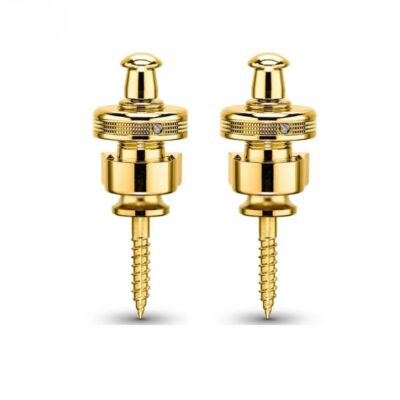
Schaller New S Locks Gold (Pair) 14010501 Strap Locks / security Locks
Original price was: $107.00.$95.00Current price is: $95.00.In Stock -
 SKU: 44669
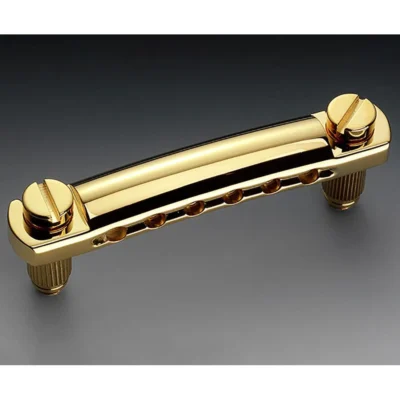
Schaller Guitar Stop Tailpiece Gold for STM / GTM Bridges – 12050500
$245.00In Stock -
17% OFF
RRP $359.00
Save $60.00
Sale!
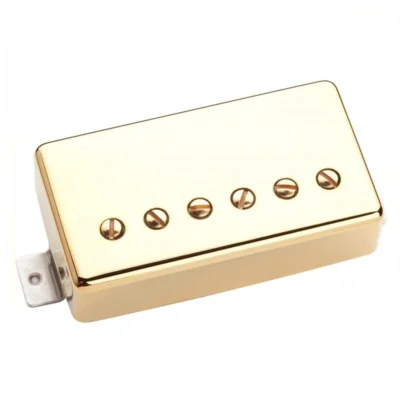 SKU: 11102-21-Gc
Seymour Duncan SH-6b Distortion Humbucker Gold Cover Bridge Pickup 11102-21-GC
Original price was: $359.00.$299.00Current price is: $299.00.In Stock -
16% OFF
RRP $269.00
Save $44.00
Sale!
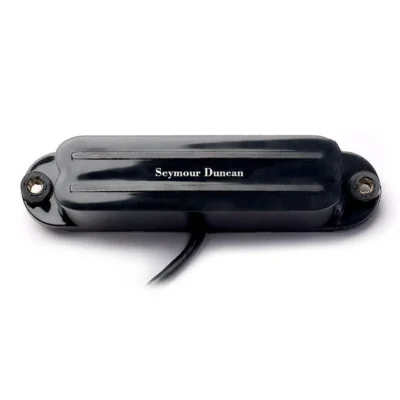 SKU: 11205-02-B
Seymour Duncan SHR-1b Hot Rails for Strat Guitar Pickup in Black Bridge
Original price was: $269.00.$225.00Current price is: $225.00.In Stock -
 SKU: 14010701 – SatinPearl
Schaller New S Locks M (Pair) Satin Pearl 14010701 Strap Locks / security Locks
$107.00In Stock