
HILS HZ7 Multiscale 7 String Electric Guitar – Satin Honey Yellow
★★★★★ 4.9 Stars — Over 1,500 Google Reviews
Original price was: $1,249.00.$1,029.00Current price is: $1,029.00.
FAST
Delivery
EASY
Returns
IN HOUSE
Repairs



Check AU Shipping Cost
Pick-up from store - FREE
Free pickup from our Melbourne Store at 4 Drake Boulevard, Altona VIC 3018. Your order will typically be ready by the next business day. We recommend calling us on (03) 8360 7799 beforehand to check it's ready for collection.
International Shipping
Please proceed to checkout to see international rates and avalability.
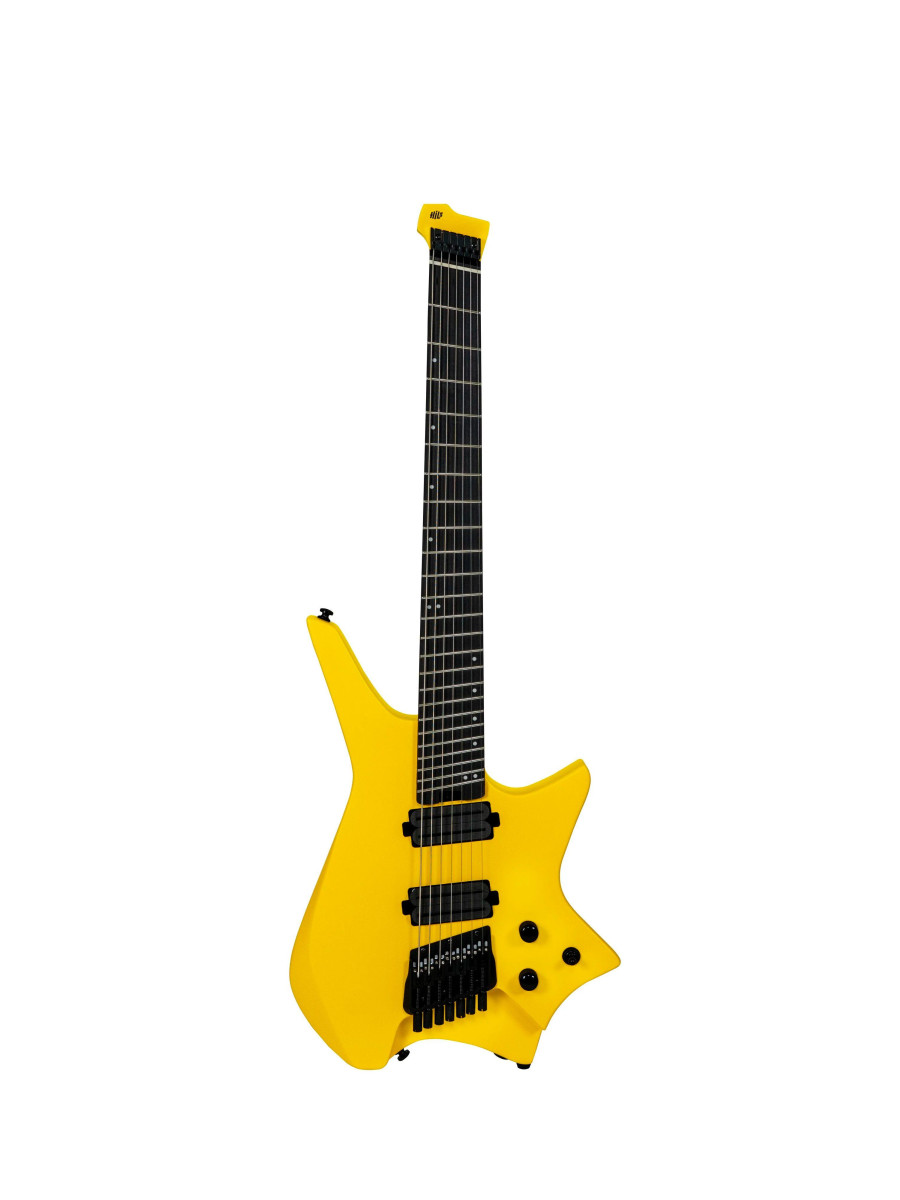
HILS HZ7 Multiscale 7-String Headless Electric Guitar — Satin Honey Yellow
The HILS HZ7 (SKU: HZ7S-HY) is a headless multiscale 7-string electric guitar in Satin Honey Yellow — a professional-specification instrument built around a solid Indonesian Mahogany body, a roasted hard maple neck, an Indian rosewood fingerboard, and a matched pair of custom active ceramic rail humbuckers running through the GPA-1 preamp. The multiscale design spans 25.5 inches at the high-E end to 26.5 inches at the low-B end, which keeps every string in the range at an appropriate tension for its pitch. Headless construction removes the headstock mass, improving balance on a strap and reducing the overall weight. The HZ7 is built for players who need a competent, well-specified extended-range instrument for modern genres — progressive metal, djent, fusion, and anything that demands both tight low-end articulation and fluid upper-register playing.
★ Expert Insight — Why Multiscale and Headless Work Together on a 7-String
On a standard 7-string at a single scale length, the low B string is often underserved — either too loose and flappy at 25.5 inches, or uncomfortably tight at 27 inches. Multiscale solves this by giving each string the scale length best suited to its pitch and gauge. The longer scale on the bass side keeps the low B taught and articulate; the shorter scale on the treble side keeps the high strings comfortable for bends and vibrato. This is why the HZ7's fret slots are not parallel — they fan across the fingerboard to accommodate the different scale lengths at each side.
Headless design removes the mass at the far end of the neck, which on a 7-string (heavier than a 6-string to begin with) makes a real ergonomic difference. The guitar balances closer to the body on a strap rather than neck-diving, and the overall weight is reduced without compromising the sustain and resonance that comes from a solid mahogany body and a proper neck joint. The combination of multiscale and headless on the HZ7 is not merely aesthetic — each feature addresses a specific practical problem that 7-string players encounter.
Multiscale Design — 25.5" to 26.5" Fanned Frets
Scale length determines string tension: for a given string gauge tuned to a given pitch, a longer scale produces higher tension and a shorter scale produces lower tension. On a single-scale 7-string guitar, the low B string is tuned considerably lower than the other strings but shares the same scale length as the high E. The result is a B string that can feel loose and undefined compared to the rest of the instrument, particularly when tuning to drop A or lower, or when playing with a heavy pick attack under high gain.
The multiscale approach assigns a different effective scale length to each string by fanning the fret slots across the fingerboard. The HZ7 spans 25.5 inches (648mm) at the high-E end and 26.5 inches (673mm) at the low-B end — a one-inch difference that meaningfully increases the tension and sustain of the lowest strings. The result is more even string feel across all seven strings: the low B responds with definition and sustain rather than floppiness, and the upper strings remain comfortable for the expressive techniques — bends, vibrato, legato — that modern players use in the higher registers.
The 12.5-inch fingerboard radius is moderately flat, which suits both the chord-based rhythm playing common in heavy genres and the single-note work used in fusion and lead contexts. The 24 stainless steel frets give the instrument its full upper-register range, with access to the 24th fret on all seven strings — important for extended-range instruments where the additional strings are often used melodically as well as rhythmically.
Headless Construction — Balance, Weight and the 7-String Locking Headpiece
A conventional guitar headstock holds the machine heads and tuning posts at the end of the neck, adding weight to the far end of the instrument. On a 7-string, which is already heavier than a 6-string, this can contribute to neck dive — the tendency of the guitar to tilt toward the floor when played on a strap, requiring the fretting hand to support the neck rather than playing freely. Headless design moves string anchoring to the bridge end of the guitar, completely eliminating the headstock and its associated weight.
On the HILS HZ7, the 7-string locking headpiece at the upper end of the neck locks the strings securely at that point without the mechanical complexity of seven individual machine heads. Tuning is adjusted at the bridge end, where each saddle can be fine-tuned independently. This arrangement places the mass of all tuning hardware at the body — where the player's strumming or picking hand rests — rather than at the neck end, producing a guitar that balances horizontally on a strap. For long practice sessions or extended performances, this makes a tangible difference in playing comfort.
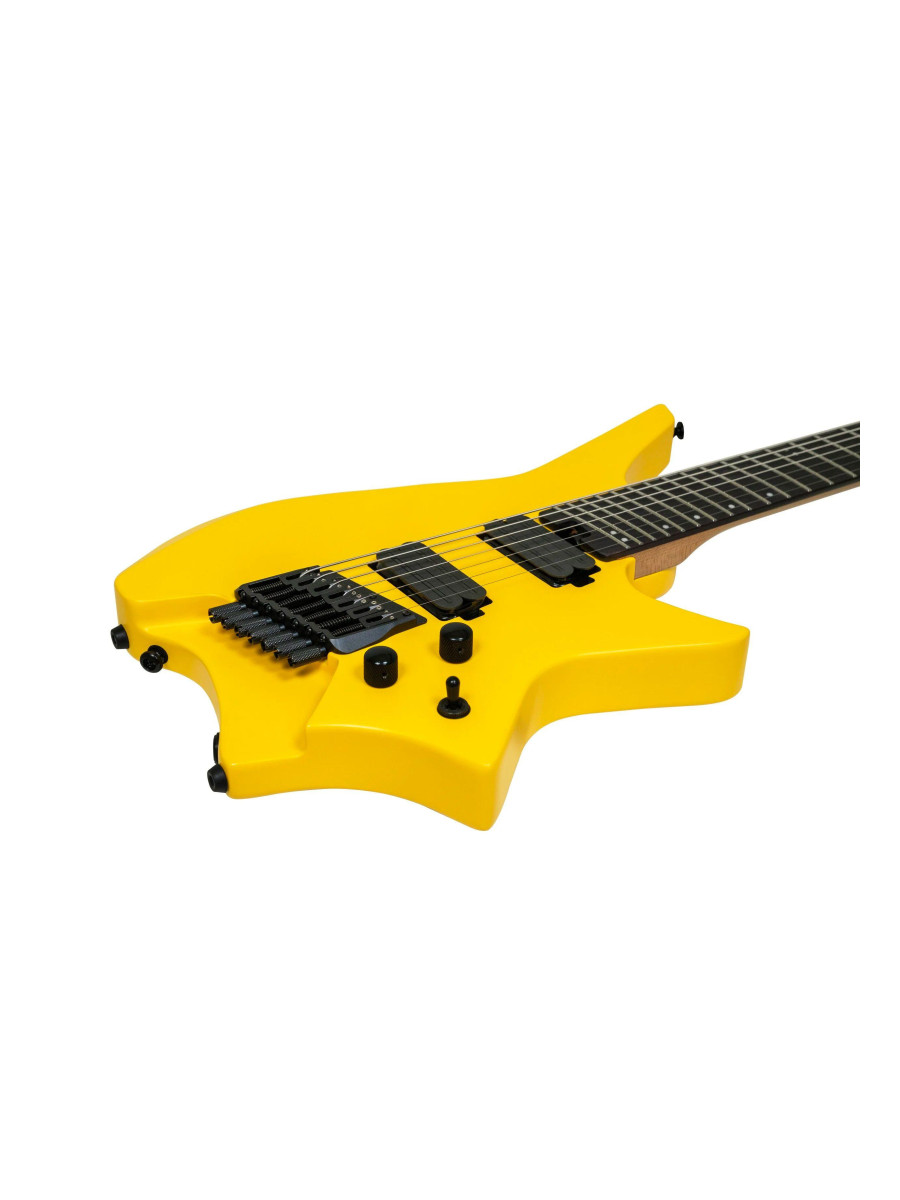
The lightweight aluminium alloy 7-string hardtail bridge contributes to this philosophy: aluminium is significantly lighter than the brass and zinc alloys used in many guitar bridges, while still providing adequate mass for sustain transfer between the strings and the body. The result is an instrument that is both lighter overall and better balanced than a conventional 7-string of comparable specification.
Custom Active Ceramic Rail Humbuckers and the GPA-1 Preamp
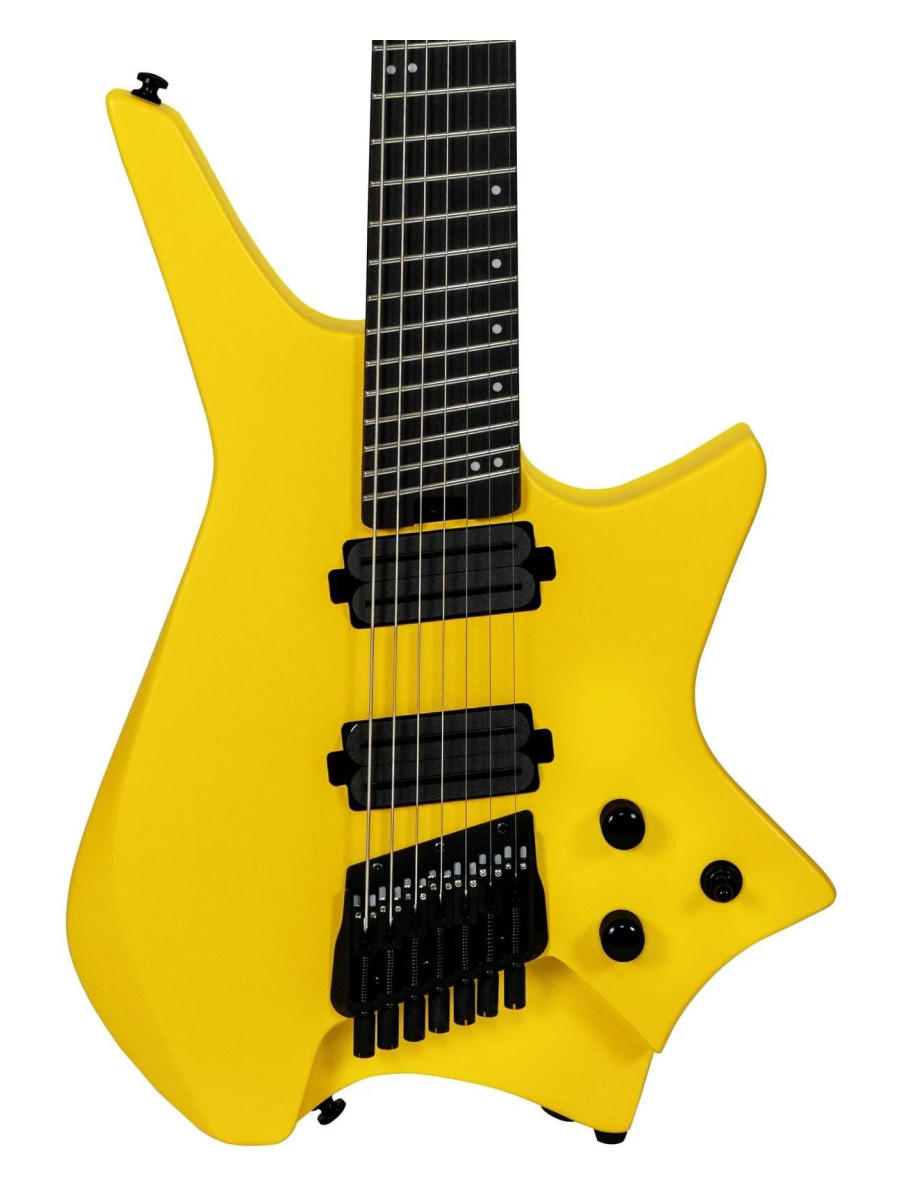
Both the neck and bridge positions of the HZ7 use custom active ceramic rail humbuckers. Rail pickups use a continuous steel rail in place of individual pole pieces — rather than six (or seven) individual adjustable posts, the rail provides a consistent magnetic field across the full string width regardless of string spacing or precise string positioning. This makes the pickups more consistent across all seven strings, particularly the outer strings where the magnetic field from a pole-piece pickup can vary if the string doesn't sit perfectly centred over its pole.
Ceramic magnets produce a higher output level and a brighter, more forward tonal character than Alnico magnets. Under high gain — which is the operating environment most relevant to heavy genres — this translates to better note definition and tighter attack, with less compression than Alnico designs can produce at high drive levels. The active circuit further boosts the output while providing a low-impedance signal that is less susceptible to cable capacitance and noise than a passive pickup running into a high-gain amplifier.
The GPA-1 preamp is HILS's active circuit for the HZ7, powering both pickups from a single 9-volt battery. The preamp maintains the consistent, low-noise signal path from pickup to output jack, and works in conjunction with the push/pull tone control to provide extended tonal options beyond the three-way selector. The three-way selector chooses between neck, bridge, and both pickups in parallel; the push/pull function on the tone control accesses an additional configuration — typically a coil or phase change — that broadens the available range of sounds from the HH configuration.
Roasted Hard Maple Neck, Indian Rosewood Fretboard and Stainless Steel Frets
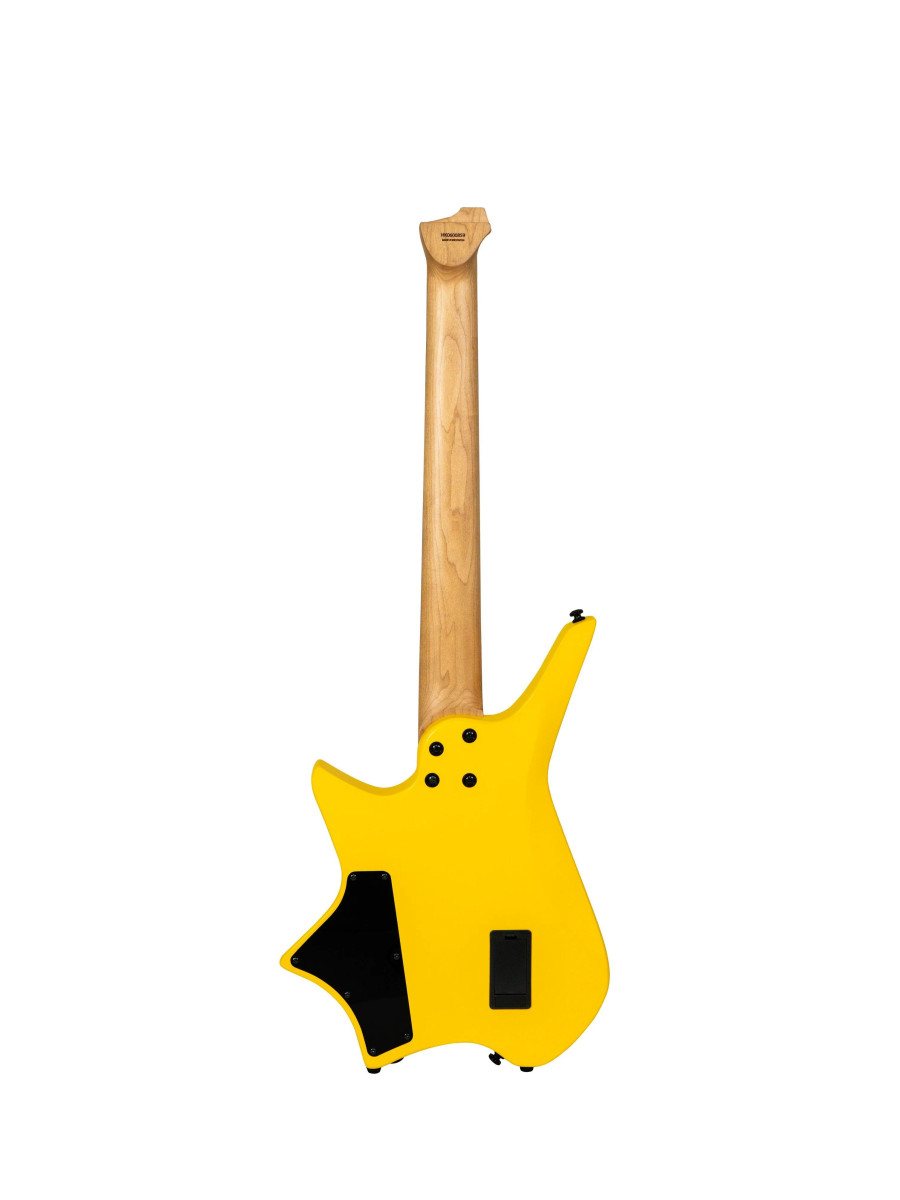
The neck is roasted hard maple — heat-treated at high temperature to remove residual moisture and increase dimensional stability. A roasted maple neck is significantly less susceptible to seasonal expansion and contraction from humidity changes than unroasted maple, which means the HZ7's neck is more likely to maintain its setup across changing temperatures and humidity levels. The roasting process also produces a slight darkening of the wood and a subtle change in texture that many players describe as feeling faster and more comfortable than untreated maple. The satin finish on the neck complements this: the matte surface allows the hand to slide freely without the drag that can occur with a gloss-finished neck.
The neck profile is a C shape — a rounded profile that suits a variety of playing techniques, including thumb-over chord playing, classical-position fretting, and the wide stretches used in 7-string chord voicings. The nut is oiled bone at 48.2mm, a natural material that provides low friction for good tuning stability and accurate intonation at the nut — especially relevant on a headless instrument where the string tension path from nut to locking headpiece is different from a conventional guitar.
The Indian rosewood fingerboard provides a smooth, slightly oily playing surface that is warm and articulate in its tonal response. Rosewood's density gives the fingerboard a slight dampening quality that rounds off the attack of the stainless steel frets — a balance that suits the HZ7's genre applications, where pick attack is present but not harsh. The stainless steel frets themselves are significantly harder than the nickel-silver frets used on most production instruments, which means they wear considerably more slowly under regular playing. They also feel slightly slicker under the fingertips, which can assist fast position changes and legato technique.
Solid Indonesian Mahogany Body — Satin Honey Yellow
The body of the HZ7 is solid Indonesian Mahogany — a dense, stable tonewood that produces a warm, balanced tone with strong fundamental response and good sustain. Mahogany's tonal profile complements the brightness and attack of the active ceramic pickups: the body's warmth and low-midrange presence counterbalances the pickups' forward character, producing a total sound that is full and defined rather than simply bright. The solid construction ensures that the body resonates freely, contributing to the sustain and dynamic response the instrument delivers.
The Satin Honey Yellow finish is applied over the Z7 body shape — the angular, modern profile that defines the HZ7's visual identity. The satin surface treatment reduces reflectivity and gives the finish a matte, tactile quality rather than the mirror surface of a gloss finish. Honey Yellow is a distinctive choice in the extended-range market, where matte black and dark finishes dominate — the HZ7 makes a visual statement without sacrificing the instrument's serious performance character. The white pearloid dot inlays on the rosewood fingerboard (with matching white side dots) provide clear fret reference points against the darker fingerboard surface.
Who Is the HILS HZ7 For?
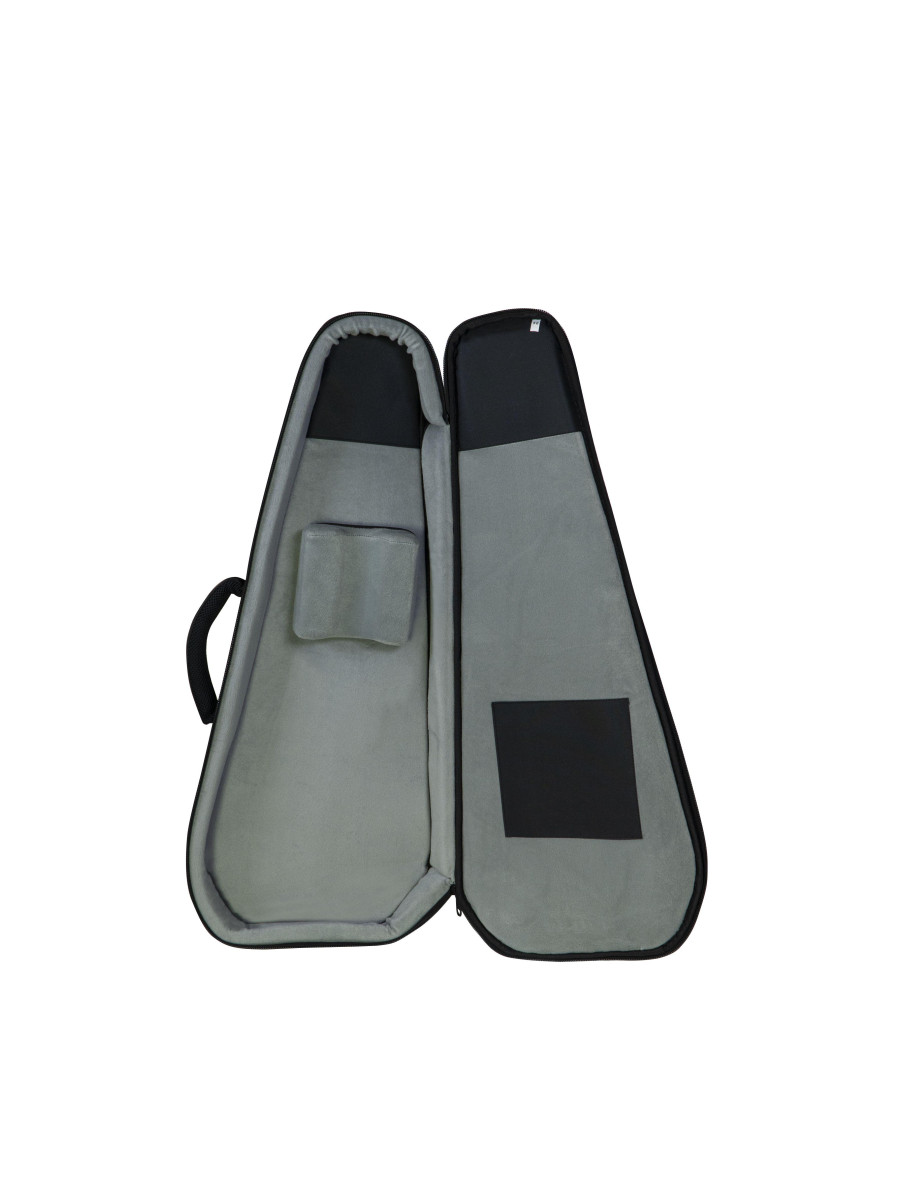
The HILS HZ7 is for guitarists who want an extended-range instrument with a well-considered specification rather than a stripped-down budget 7-string. Its primary market is heavy-genre players — progressive metal, djent, death metal, fusion — who need a tight low B, reliable active pickup performance under high gain, and an ergonomic playing experience for extended sessions. The headless design and multiscale construction are professional-grade features that address real playing problems, not marketing additions. The HGB-Z Deluxe Gig Bag, factory-fitted D'Addario EXL110-7 strings, and included adjustment tools mean the instrument arrives ready to play and ready to set up. For experienced players upgrading to a multiscale instrument, and for technically-minded players investigating headless guitars for the first time, the HZ7 offers both the features and the performance to justify the approach.
Specifications
| Feature | Specification |
|---|---|
| SKU | HZ7S-HY |
| Model | HILS HZ7 |
| Colour | Satin Honey Yellow |
| Body Shape | Z7 |
| Body Material | Solid Indonesian Mahogany |
| Construction | Solid body, bolt-on neck |
| Body Finish | Satin |
| Neck Material | Roasted Hard Maple |
| Neck Profile | C |
| Neck Finish | Satin |
| Scale Length | 25.5"–26.5" Multiscale (648mm–673mm) |
| Nut | Oiled Bone, 48.2mm |
| Nut Width | 49mm |
| Truss Rod | Double action, spoke nut (heel access) |
| Fretboard | Indian Rosewood |
| Fretboard Radius | 12.5" (320mm) |
| Frets | 24 Medium Jumbo Stainless Steel (2.7×1.1mm) |
| Inlays | White Pearloid Dots / White Side Dots |
| Pickup Configuration | HH (Humbucker / Humbucker) |
| Neck Pickup | Custom Active Ceramic Rail Humbucker |
| Bridge Pickup | Custom Active Ceramic Rail Humbucker |
| Preamp | GPA-1 (active — requires 9V battery) |
| Controls | Master Volume / Master Tone (Push/Pull) / 3-Way Pickup Selector |
| Bridge | Lightweight Aluminium Alloy 7-String Hardtail |
| Headpiece | 7-String Locking (headless) |
| Output Jack | Barrel Type ¼" |
| Knobs | Black Metal Dome |
| Battery | 1 × 9V (not included) |
| Strings (Factory) | D'Addario EXL110-7 (.010"–.059") |
| Included | HGB-Z Deluxe Gig Bag / 1.5mm & 2.5mm hex wrenches / Spoke Nut Truss Rod Tool |
Talk to Us Before You Buy
If you want to understand whether multiscale or headless design is right for your playing style, or if you'd like to compare the HZ7 with other extended-range instruments in our range, come in to Angkor Music in Altona. We stock the HILS range and our team can help you work out what will genuinely suit your playing.
Frequently Asked Questions
What does multiscale (fanned fret) mean on a 7-string guitar, and do I need to learn a new technique to play it?
Multiscale means the fret slots are not parallel — they fan across the fingerboard so that the bass strings have a longer effective scale length than the treble strings. This addresses a fundamental tension problem with extended-range guitars: tuning a B string at the same scale length as a high E produces either a very loose B or an uncomfortably tight E. The HZ7's 25.5"–26.5" range gives each string approximately the right scale for its pitch and gauge. As for technique: most multiscale players adapt within a session or two. The key observation is that the neutral fretting angle — where the hand feels perpendicular to the strings — falls naturally around the middle of the fingerboard, which is where most playing happens. At the extremes (open position and high up the neck), there is a slight diagonal feel to the frets, but this is intuitive rather than difficult. Players coming from single-scale 7-strings report that multiscale feels immediately natural.
How do I tune a headless guitar? Are special strings required?
On the HZ7, tuning is done at the bridge end using the fine-tuning saddles for each string. The strings lock at the headpiece at the top of the neck. For initial string fitting, you thread the string through the headpiece locking mechanism, pull it to pitch approximately, lock the headpiece, and then use the bridge-end saddle fine-tuners to bring each string to exact pitch. The HZ7 ships with D'Addario EXL110-7 strings already fitted. For replacements, double-ball-end strings (designed specifically for headless instruments) are the correct type — standard ball-end strings work on some headless designs but may not be reliable on the HZ7's locking headpiece. D'Addario makes double-ball-end sets in several gauges, and Stringjoy and Optima also offer headless-specific string sets.
What does the push/pull function on the tone control do?
The push/pull tone control is a concentric pot that functions as a tone control in its normal (down) position and activates an additional switching function when pulled up. On the HZ7's HH active configuration, this typically accesses a coil-split or phase-switching function, giving you a distinct alternative voice from the pickup pair. The practical result is that pulling up the tone control gives you access to a noticeably different tonal character — often a thinner, brighter, more cutting sound — without adding additional switches or controls to the instrument's layout. This is worth exploring in combination with all three positions of the pickup selector, as it effectively doubles the number of distinct tonal voices available.
How does the HZ7 compare to the HILS HN5?
The HN5 and HZ7 are both HILS headless instruments with roasted maple necks and active pickups, but they are different instruments aimed at overlapping but distinct players. The HN5 is a 6-string with a tremolo bridge and a compound radius fingerboard. The HZ7 is a 7-string with a fixed hardtail bridge and a multiscale design — no tremolo, but with the extended range and tension balance that comes from the fanned fret layout. The HN5 suits 6-string players who want a headless instrument with tremolo versatility; the HZ7 suits players who need the 7-string range and the articulation benefits of multiscale without a floating bridge. The ceramic rail humbuckers on the HZ7 are voiced for higher output and tighter definition under gain than the HN5's active humbuckers, which makes the HZ7 a stronger choice for high-gain heavy genres.
Why are stainless steel frets worth having?
Standard nickel-silver frets (used on the majority of production guitars) wear down with regular play — string bending and repeated fretting gradually groove the fret surface, eventually requiring a fret level, recrown, or full refret. Stainless steel frets are significantly harder and wear at a fraction of the rate of nickel. For a working or regularly gigging player, this can mean years of additional service life from the fret job. The trade-off is that stainless steel frets are more difficult and expensive to install (harder material = more tool wear during fret work), but on a new instrument with factory stainless frets, the player simply benefits from their longevity without incurring the installation cost. The playing feel is slightly different too — stainless has a slicker surface that some players find assists with fast legato and position shifts.
Enjoying your HILS HZ7? We'd love to hear about it.
Leave us a Google Review — it helps other musicians find the right instrument.
Additional information
| Weight | 0.0000 kg |
|---|---|
| Type | Electric Guitar |
| Instrument Family | Electric Guitar |
Related Items & Accessories
Related products
-
26% OFF
RRP $4,699.00
Save $1,200.00
Sale!
 SKU: 041152
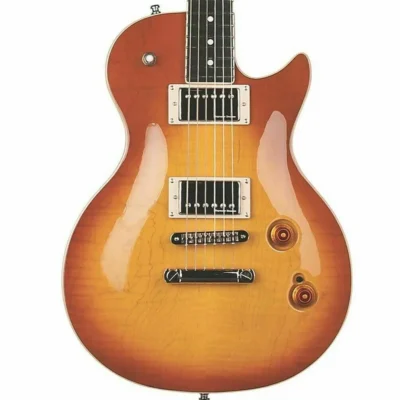
GODIN SUMMIT CLASSIC (CT) HB CREME BRULEE with Gig bag
Original price was: $4,699.00.$3,499.00Current price is: $3,499.00.In Stock -
35% OFF
RRP $3,399.00
Save $1,200.00
Sale!
 SKU: 041640
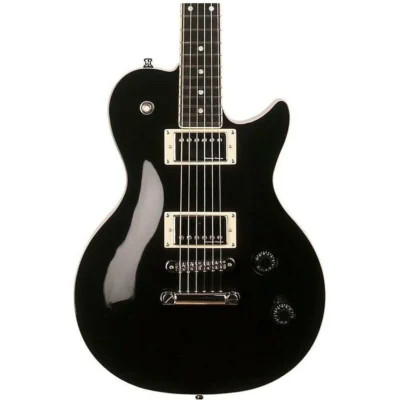
GODIN SUMMIT CLASSIC (CT) HB Black with Gig bag Seymour Duncan Humbuckers
Original price was: $3,399.00.$2,199.00Current price is: $2,199.00.Out of stock -
13% OFF
RRP $395.00
Save $50.00
Sale!
 SKU: 12350400
Schaller Signum Locking Guitar Bridge – Black Chrome Made in Germany 12350400
Original price was: $395.00.$345.00Current price is: $345.00.In Stock -
56% OFF
RRP $7,999.00
Save $4,500.00
Sale!
 SKU: 04135
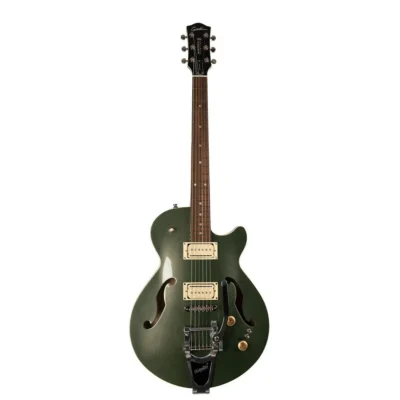
Godin Montreal Premiere Limited Desert Green w/Bigsby Archtop Electric Guitar
Original price was: $7,999.00.$3,499.00Current price is: $3,499.00.Out of stock -
40% OFF
RRP $4,699.00
Save $1,900.00
Sale!
 SKU: 039852
GODIN Montreal Premiere Supreme Lightburst Flame HG Supreme Semi Hollow
Original price was: $4,699.00.$2,799.00Current price is: $2,799.00.Out of stock