
JET JPB-300-SG-R Electric Bass Guitar – Green – Rosewood Fretboard
★★★★★ 4.9 Stars — Over 1,500 Google Reviews
Original price was: $799.00.$629.00Current price is: $629.00.
FAST
Delivery
EASY
Returns
IN HOUSE
Repairs



Check AU Shipping Cost
Pick-up from store - FREE
Free pickup from our Melbourne Store at 4 Drake Boulevard, Altona VIC 3018. Your order will typically be ready by the next business day. We recommend calling us on (03) 8360 7799 beforehand to check it's ready for collection.
International Shipping
Please proceed to checkout to see international rates and avalability.
Jet JPB-300 SG Bass Guitar — Green
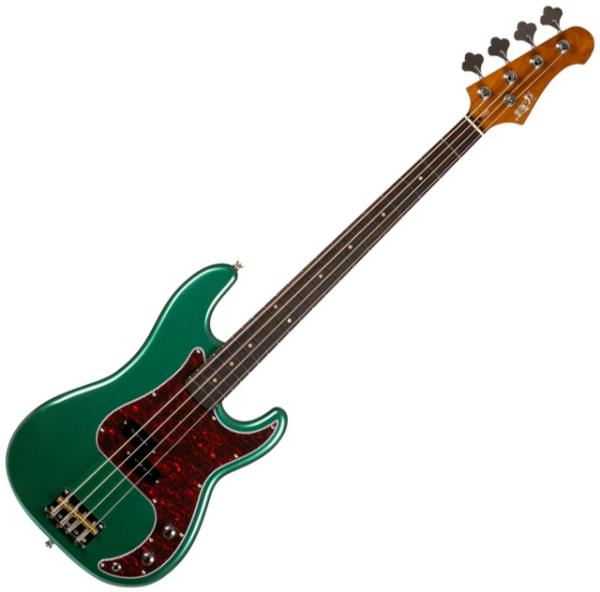
The Jet JPB-300 SG in Green (SKU: JPB-300-SG-R) is a solid-body electric bass built on a roasted poplar body with a Canadian roasted maple neck, rosewood fretboard, two PB-style split-coil pickups, and a 34-inch long-scale string length. The instrument draws on the aesthetic language of classic American bass designs from the late 1950s — an SG-style body contour in a gloss green finish with a red tortoise pickguard and chrome vintage-style hardware — while applying modern material choices (roasted maple, bone nut, double-action truss rod) that lift the playability and consistency above a standard entry-level specification. The result is a bass with genuine vintage character, flexible dual-pickup tone, and a build quality that suits both beginners and working musicians.
★ Expert Insight — Dual PB-Style Pickups With Independent Volumes: More Tonal Flexibility Than It Looks
Most players are familiar with the single-pickup Precision Bass — one split-coil humbucker at the mid-body position, delivering the warm, punchy, fundamentally direct tone that defined bass playing in rock and roll, Motown, pop, and punk for decades. The JPB-300 SG takes that configuration and adds a second PB-style pickup at the bridge position, with each pickup controlled by its own volume knob and both feeding a shared master tone.
This setup gives the player three usable tonal characters from a single instrument: the neck pickup alone produces the classic P-Bass warmth — round, full, and punchy, with strong fundamental and smooth highs; the bridge pickup alone is brighter and more articulate, with more upper-midrange presence and attack that cuts through a guitar-heavy mix; and both pickups combined produces a blended character — full-bodied but with more definition than the neck alone. The two independent volume controls also allow the player to smoothly pan between the two pickups during performance for subtle real-time tonal variation. This is a genuinely useful configuration for bassists who want one instrument that can cover different tonal roles across different songs or styles.
Green Finish, Red Tortoise Pickguard, and Vintage Aesthetic
The JPB-300 SG carries a gloss green body finish — a solid, opaque colour coat applied over the roasted poplar body with a gloss topcoat that gives the colour depth and richness under light. The SG-style body contour is a classic 1950s and 1960s American bass silhouette — a lightweight, comfortable shape that sits well against the body when standing and balances naturally on the knee when seated.
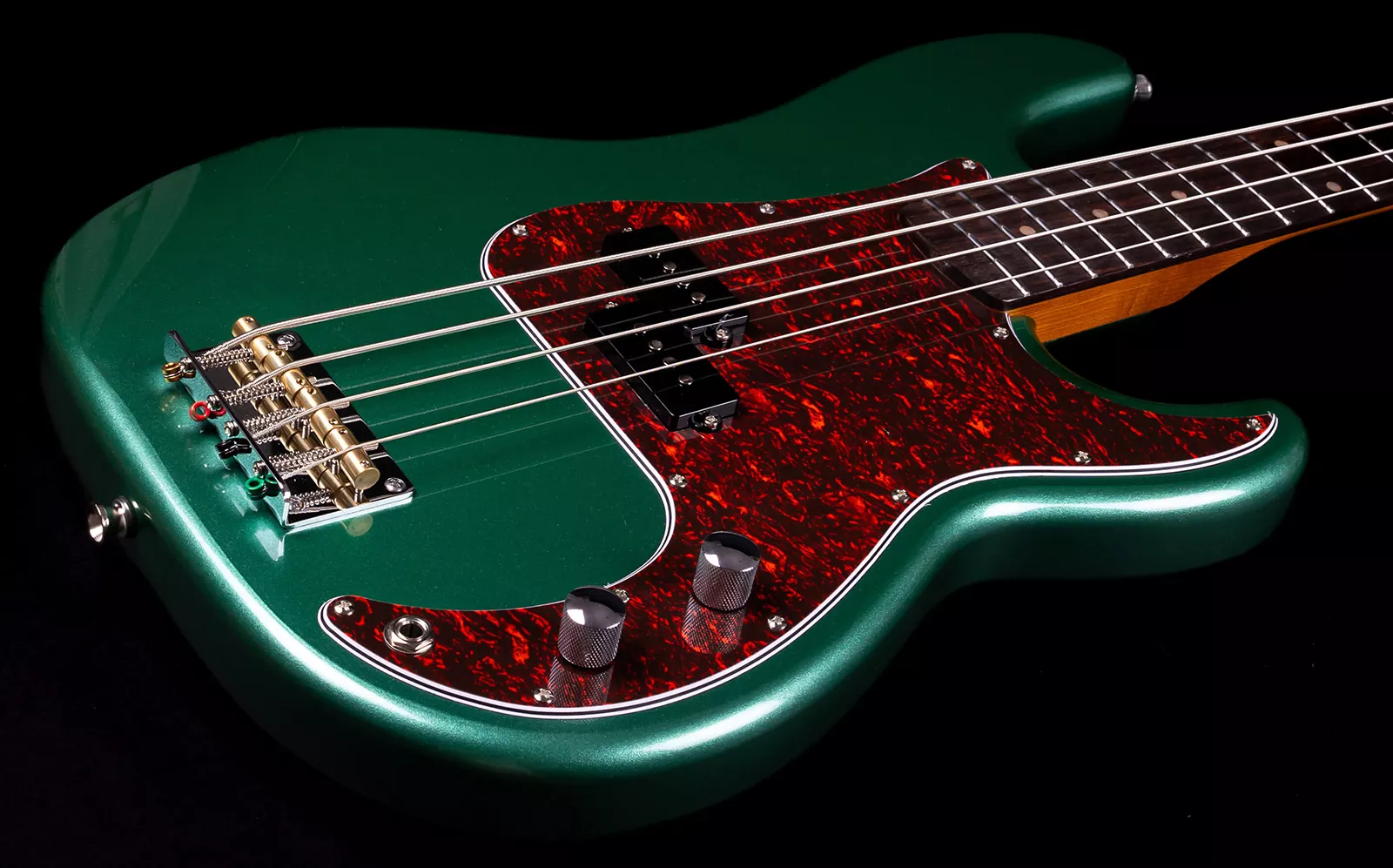
The red tortoise pickguard is an intentional aesthetic choice that speaks directly to the vintage instrument tradition. The warm red-brown pattern of a tortoiseshell pickguard against a green body creates one of the classic vintage colour pairings in production bass design — the contrast sits in a register that is visually striking without being loud, and immediately communicates the instrument's reference points. Chrome vintage-style machine heads on the headstock and chrome hardware throughout the instrument maintain a consistent, cohesive aesthetic from head to bridge. This is a bass designed to look like a well-made vintage instrument, and it delivers on that visual intent.
Dual PB-Style Split-Coil Pickups and Controls
Both pickups on the JPB-300 SG are PB-style split-coil designs — the same fundamental pickup architecture used in the Fender Precision Bass since 1957. Each PB-style pickup consists of two staggered coil halves, with each half covering two strings. The two coil halves are wound in reverse polarity, so when combined they cancel hum in the same way a full humbucker does — a PB-style pickup is not a traditional single-coil despite its single-pickup appearance. The result is a quiet, high-output pickup with a warm, fat, punchy tonal character and excellent note-to-note definition.
The neck PB pickup sits in the classic Precision Bass position — where the string has maximum amplitude and the pickup captures the full, warm fundamental of the note. This position is responsible for the classic P-Bass tone: warm lows, punchy midrange, and smooth, non-aggressive highs that sit comfortably in almost any mix. The bridge PB pickup is positioned closer to the bridge, where the string has less amplitude but more harmonic content — producing a tighter, brighter, more aggressive tone with more upper-midrange presence.
The control layout is two independent volume knobs (one for each pickup) and a master tone. This allows the player to set the balance between neck and bridge pickup character and adjust the overall high-frequency content independently. Rolling back the neck pickup while keeping the bridge at full volume brightens the sound; the reverse deepens and warms it. The tone control rolls off high frequencies from both pickups simultaneously, allowing a smooth transition from full brightness to a warm, rounded low-pass character suited to fingerstyle playing, reggae, and soul bass tones.
Canadian Roasted Maple Neck and Rosewood Fretboard
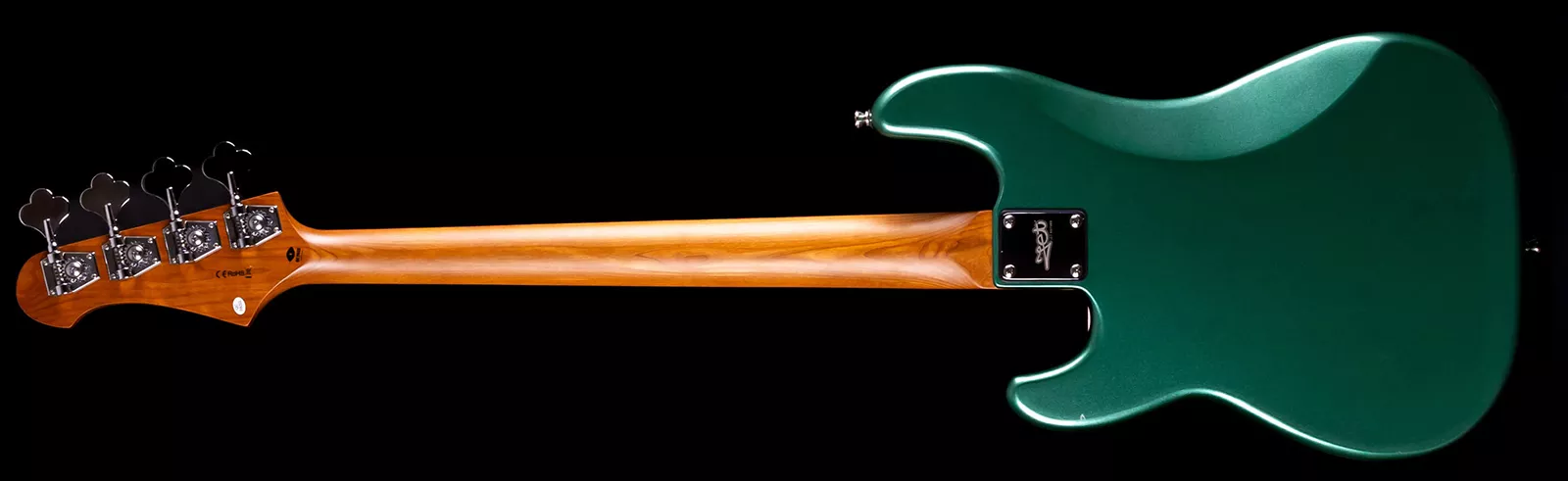
The bolt-on neck is Canadian roasted maple — hard maple sourced from Canadian supply chains and heat-treated through the roasting (torrefaction) process, which removes residual moisture from the wood cells more completely than standard kiln drying. The result is a neck that is more dimensionally stable across seasonal humidity changes (a meaningful consideration in Australian conditions), with a slightly warmer visual appearance (the natural wood sugars caramelise during roasting, shifting the colour toward honey brown) and a satin-smooth playing surface. The Modern C neck profile is a comfortable, moderately rounded shape that suits a wide range of hand sizes and bass playing techniques.
The rosewood fretboard has a 12-inch radius — a modern, practical specification for bass. For context, vintage Fender Precision Bass fretboards used a 7.25-inch radius (quite curved), while most contemporary production basses use 9.5–15 inches. A 12-inch radius is flat enough to allow comfortable string bending and low action without strings fretting out during technique, while remaining curved enough to feel natural for chord shapes and position shifts. Twenty frets at the standard Precision Bass count gives the instrument its full playing range; the 1.5-inch nut width provides a string spacing comfortable for most bass players across both fingerstyle and pick playing.
The bone nut is a quality detail at this price point — denser than plastic, with better vibration transfer to the neck and natural self-lubricating properties from the material's oils. This contributes to sustain from the open strings and helps tuning stay consistent over the string's full range from open position to the highest fret positions.
34-Inch Long Scale, Roasted Poplar Body, and Hardware
The JPB-300 SG uses the standard 34-inch long-scale string length — the specification established by the Fender Precision Bass and used across the majority of production electric basses. At 34 inches, the strings have more tension than on short-scale instruments (typically 30–30.75 inches), which produces a tighter, more defined low end, more string resistance under the fingers, and a brighter fundamental character with more harmonic complexity in the upper registers. The 34-inch scale suits players who have played standard-spec bass before and prefer the tension and tone character of a long-scale instrument, and it is the right choice for players who want the most familiar and widely compatible bass experience — almost all bass strings are made for 34-inch scale as the default.
The body is solid roasted poplar — a heat-treated version of a consistently used production body tonewood. Roasted poplar has a balanced, mid-forward tonal character and a comfortable weight, with the dimensional stability benefits of the roasting process: reduced sensitivity to humidity changes over time and a more consistent feel across the seasons. The 2-point, 4-saddle bridge anchors the strings to the body for direct coupling and sustain — a simple, reliable bridge configuration with individual saddle intonation adjustment for each string.
D'Addario strings are fitted from the factory — a quality string brand with consistent manufacturing tolerances and a bright, balanced initial tone that settles into a musical character after the initial break-in period. Chrome hardware throughout — tuners, bridge, control plates — maintains the vintage aesthetic and complements the green and red tortoise visual combination.
Who Is the Jet JPB-300 SG For?
The JPB-300 SG is for bass players who want classic vintage styling — an SG-style body, green gloss finish, red tortoise pickguard — with the practical tonal advantage of a dual-pickup configuration that covers more sonic ground than a single-pickup Precision Bass. The 34-inch long scale, roasted maple neck, bone nut, and rosewood fretboard provide a solid, well-specified playing experience suitable for beginners choosing their first bass with a view to growing into it, and for intermediate players who want an affordable vintage-inspired instrument for gigging or recording. The passive electronics require no battery and need no maintenance beyond the occasional string change. No case or gig bag is included; a padded bag or hard case purchased separately is recommended for safe transport.
Specifications
| Feature | Specification |
|---|---|
| SKU | JPB-300-SG-R |
| Model | Jet JPB-300 SG |
| Colour | Green (Gloss) |
| Body | Solid Roasted Poplar |
| Pickguard | Red Tortoise |
| Neck | Canadian Roasted Maple, Modern C, Bolt-On |
| Neck Finish | Gloss |
| Fretboard | Rosewood |
| Fretboard Radius | 12" |
| Scale Length | 34" (Long Scale) |
| Frets | 20 |
| Nut | Bone |
| Nut Width | 1.5" |
| Truss Rod | Double Action |
| Pickups | 2× PB-Style Split-Coil (Neck, Bridge) |
| Controls | 2× Volume (Neck, Bridge) / 1× Master Tone |
| Bridge | 2-Point, 4-Saddle (Jet Guitars) |
| Machine Heads | Chrome, Vintage-Style (Jet Guitars) |
| Hardware | Chrome |
| Strings | D'Addario |
| Included | No case or gig bag |
Questions About the JPB-300 SG or Choosing Your First Bass?
Come in to Angkor Music in Altona and try the JPB-300 SG through one of our bass amps. We can help you compare it with other basses in the range — short scale vs long scale, single pickup vs dual pickup — and find the right fit for your playing, your hands, and your budget. We set up every instrument before it leaves the store.
Frequently Asked Questions
What is a PB-style pickup and how does it differ from a standard single-coil?
A PB-style pickup (also called a split-coil or Precision-style pickup) consists of two staggered coil halves — each half covers two strings — wound in reverse polarity. When both halves work together, they cancel electromagnetic interference (hum) in the same way a humbucker does. Despite its appearance (which can look like a single pickup), a PB-style pickup is fundamentally a hum-cancelling design — quiet, high-output, and with a characteristic warm, punchy, full-bodied tone. This is the pickup design that Leo Fender introduced in 1957 and that became the defining bass sound of the following decades. The JPB-300 SG has two of these pickups, one at the neck position and one at the bridge, for expanded tonal options.
What is the difference between 34-inch long scale and short-scale bass?
Scale length is the vibrating string length from nut to bridge saddle. A 34-inch long-scale bass (like this JPB-300 SG) is the standard Fender Precision Bass specification and is by far the most common bass scale in production. At 34 inches, the strings have more tension than on shorter-scale instruments (typically 30–30.75 inches), producing a tighter, more defined low end and a brighter overall character. Short-scale basses have lower string tension, which makes them easier to play for smaller hands or beginners, with a slightly warmer and looser tone. The JPB-300 SG at 34 inches suits players who prefer the standard bass feel and want maximum string selection compatibility — almost all bass strings are manufactured for 34-inch scale as the default. Players with smaller hands or those crossing over from guitar may find a short-scale bass (such as the Cort GB Short Scale) more comfortable initially.
How do you use the two volume knobs to shape the tone?
Each volume knob controls one pickup independently. With both volumes at maximum, the neck and bridge pickups blend equally — a full, balanced character with warmth from the neck pickup and definition from the bridge. Rolling back the bridge volume while keeping the neck at full warms and rounds the sound toward the classic single-pickup P-Bass tone. Doing the reverse (bridge full, neck rolled back) brightens and tightens the character for more articulate, mid-focused tones. Setting one volume entirely to zero effectively removes that pickup from the circuit, giving you either the neck or bridge voice in isolation. The master tone then adjusts the high-frequency content across both pickups simultaneously — from full brightness at maximum to a warm, rounded roll-off at minimum.
What strings come fitted, and are they the right gauge for this bass?
The JPB-300 SG ships with D'Addario strings — a quality string brand with consistent manufacturing tolerances and reliable intonation. D'Addario is one of the most widely used string brands among professional and semi-professional musicians and are a good factory choice. The specific gauge is not stated in the product specification; for a 34-inch long-scale bass, common factory gauges are .045–.100 or .045–.105 (light to medium). These are suitable starting gauges for most styles — rock, pop, blues, indie, and funk. Players who prefer a heavier gauge for more tension and a fuller low end, or a lighter gauge for easier fretting, can replace the strings with their preferred D'Addario or other brand specification after purchase.
Does the JPB-300 SG require a battery?
No. The JPB-300 SG has a fully passive electronics system — two volume knobs and a master tone, with no preamp, no active EQ, and no battery required. Passive electronics deliver a direct, unprocessed signal to the amplifier and require no maintenance beyond the occasional string change. This is in contrast to active bass systems (such as the Markbass MB-1 preamp in the Cort GB Short Scale or the GPA-1 in the HILS HZ7) which require a 9V battery and can go silent when the battery runs flat. The JPB-300 SG will work every time you pick it up without checking battery levels.
Playing your Jet JPB-300 SG? We'd love to hear from you.
Leave us a Google Review — it helps other musicians find the right instrument.
Additional information
| Weight | 5.50 kg |
|---|---|
| type | Electric Bass |
Related Items & Accessories
Related products
-
15% OFF
RRP $299.00
Save $44.00
Sale!
 SKU: 11102-96-B
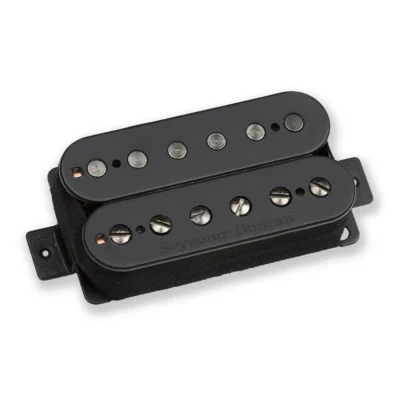
Seymour Duncan 11102-96-B Nazgul Bridge Black Guitar Pickup
Original price was: $299.00.$255.00Current price is: $255.00.In Stock -
 SKU: 11102-01-Gc
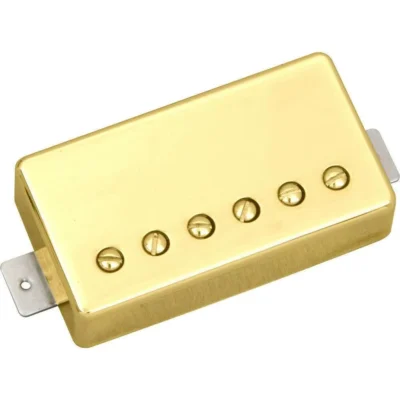
Seymour Duncan SH-2n Jazz Neck Model Humbucker Guitar Pickup Gold
$359.00In Stock -
10% OFF
RRP $245.00
Save $25.00
Sale!
 SKU: 44669
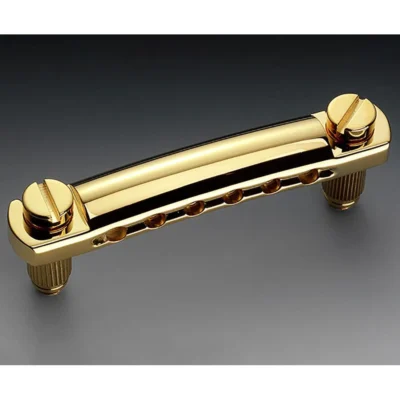
Schaller Guitar Stop Tailpiece Gold for STM / GTM Bridges – 12050500
Original price was: $245.00.$220.00Current price is: $220.00.In Stock -
56% OFF
RRP $7,999.00
Save $4,500.00
Sale!
 SKU: 04135
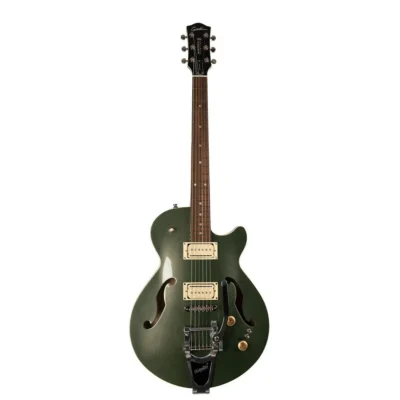
Godin Montreal Premiere Limited Desert Green w/Bigsby Archtop Electric Guitar
Original price was: $7,999.00.$3,499.00Current price is: $3,499.00.Out of stock -
15% OFF
RRP $506.00
Save $77.00
Sale!
 SKU: 44724
Schaller Hannes6 6-string Guitar Bridge Ruthenium Hannes 12010600
Original price was: $506.00.$429.00Current price is: $429.00.In Stock