
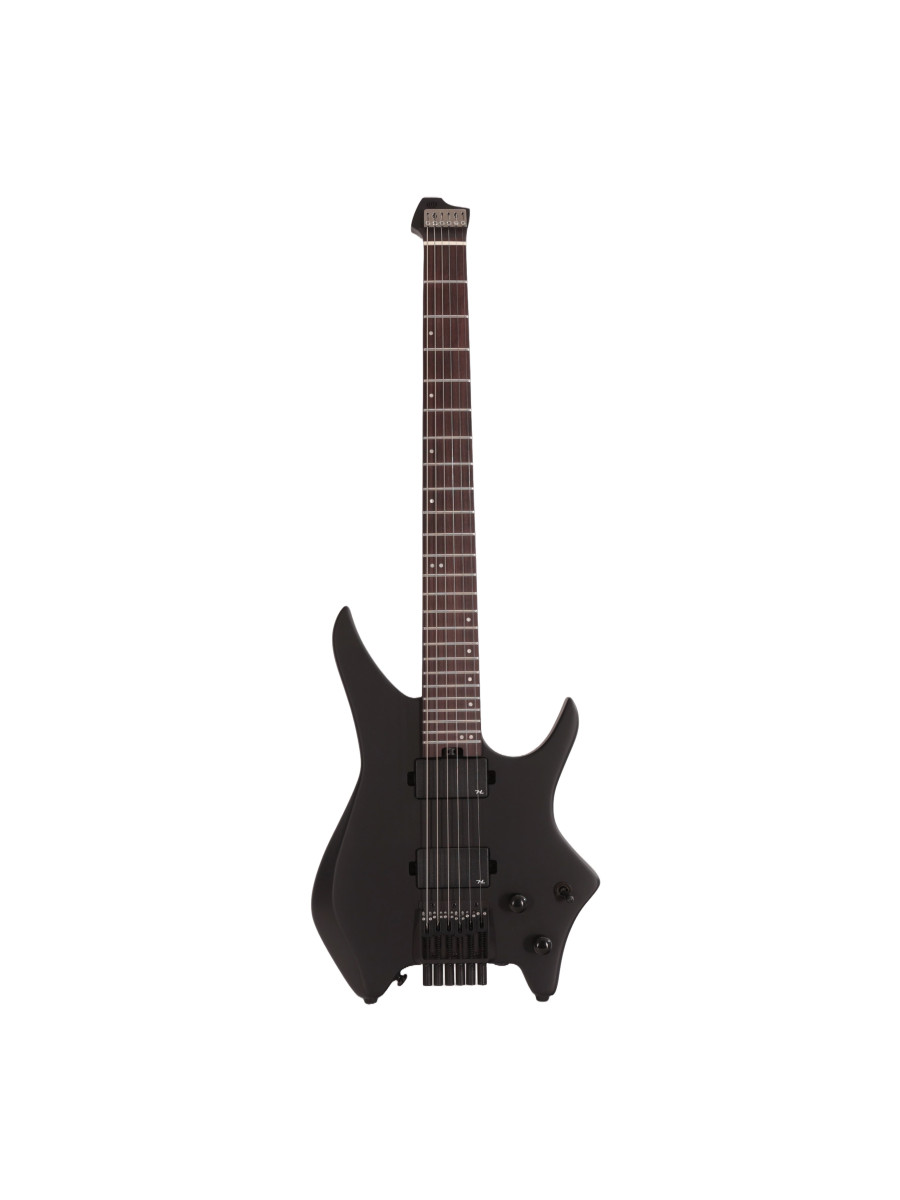
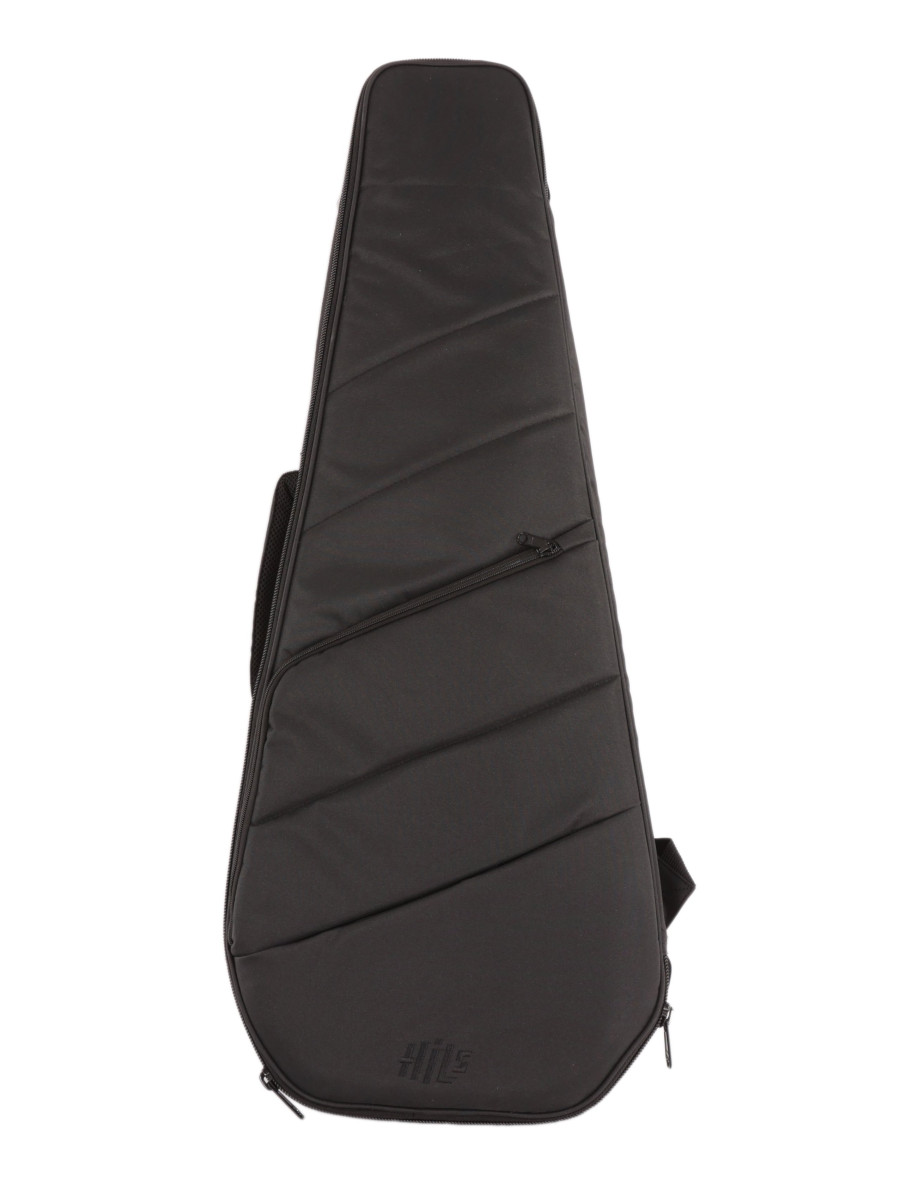
HILS HN3 – Satin Black – Headless 6-String Electric Guitar
★★★★★ 4.9 Stars — Over 1,500 Google Reviews
Original price was: $949.00.$799.00Current price is: $799.00.
FAST
Delivery
EASY
Returns
IN HOUSE
Repairs



Check AU Shipping Cost
Pick-up from store - FREE
Free pickup from our Melbourne Store at 4 Drake Boulevard, Altona VIC 3018. Your order will typically be ready by the next business day. We recommend calling us on (03) 8360 7799 beforehand to check it's ready for collection.
International Shipping
Please proceed to checkout to see international rates and avalability.
HILS HN3 — Headless Electric Guitar, Satin Black, Roasted Maple (HN3-SBK)
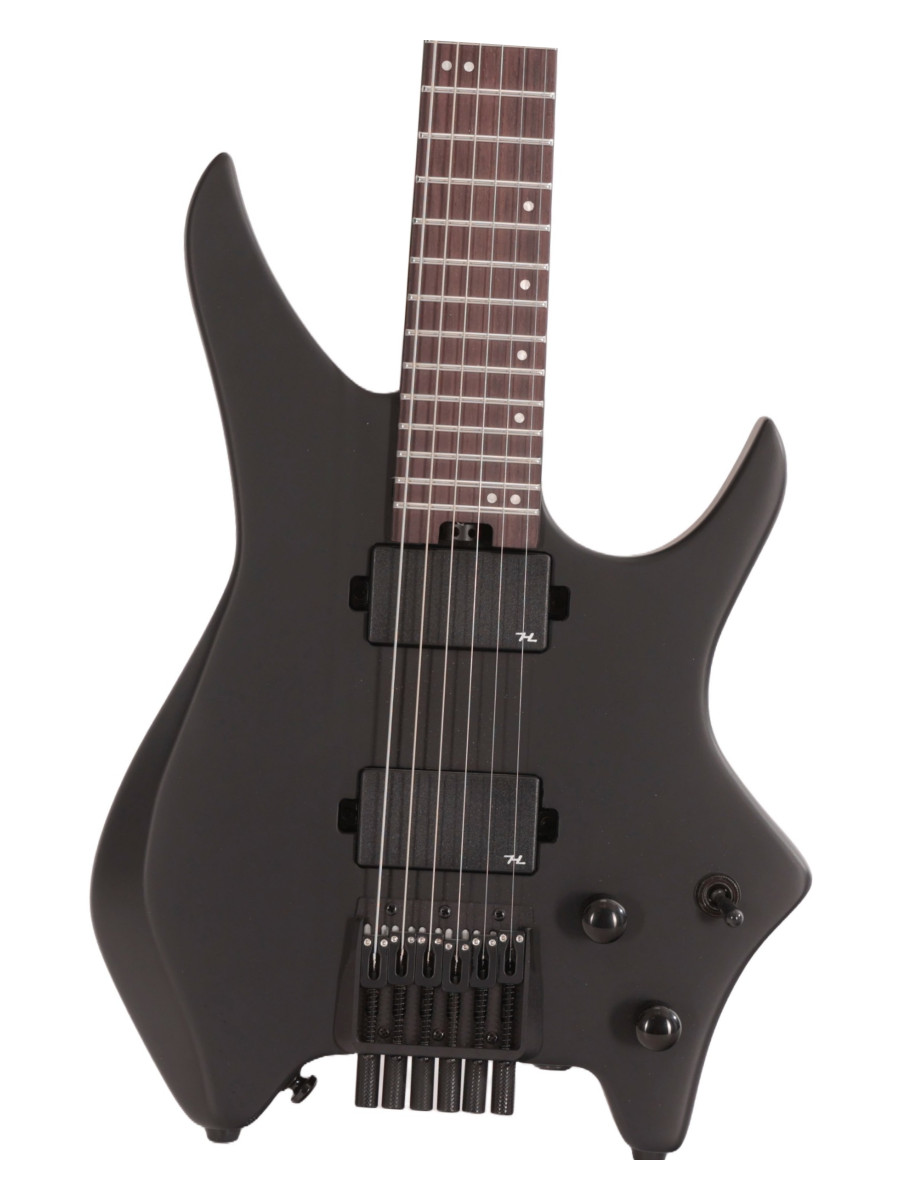
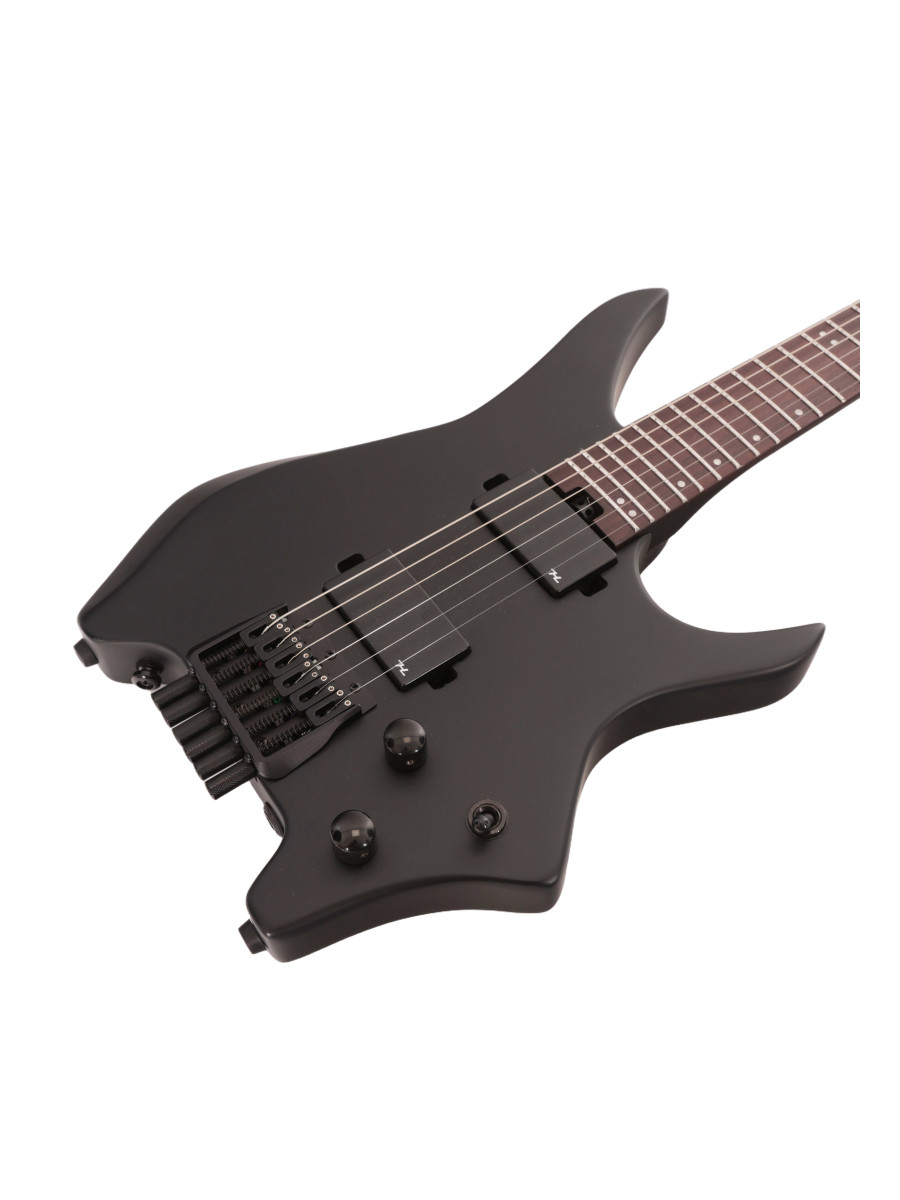
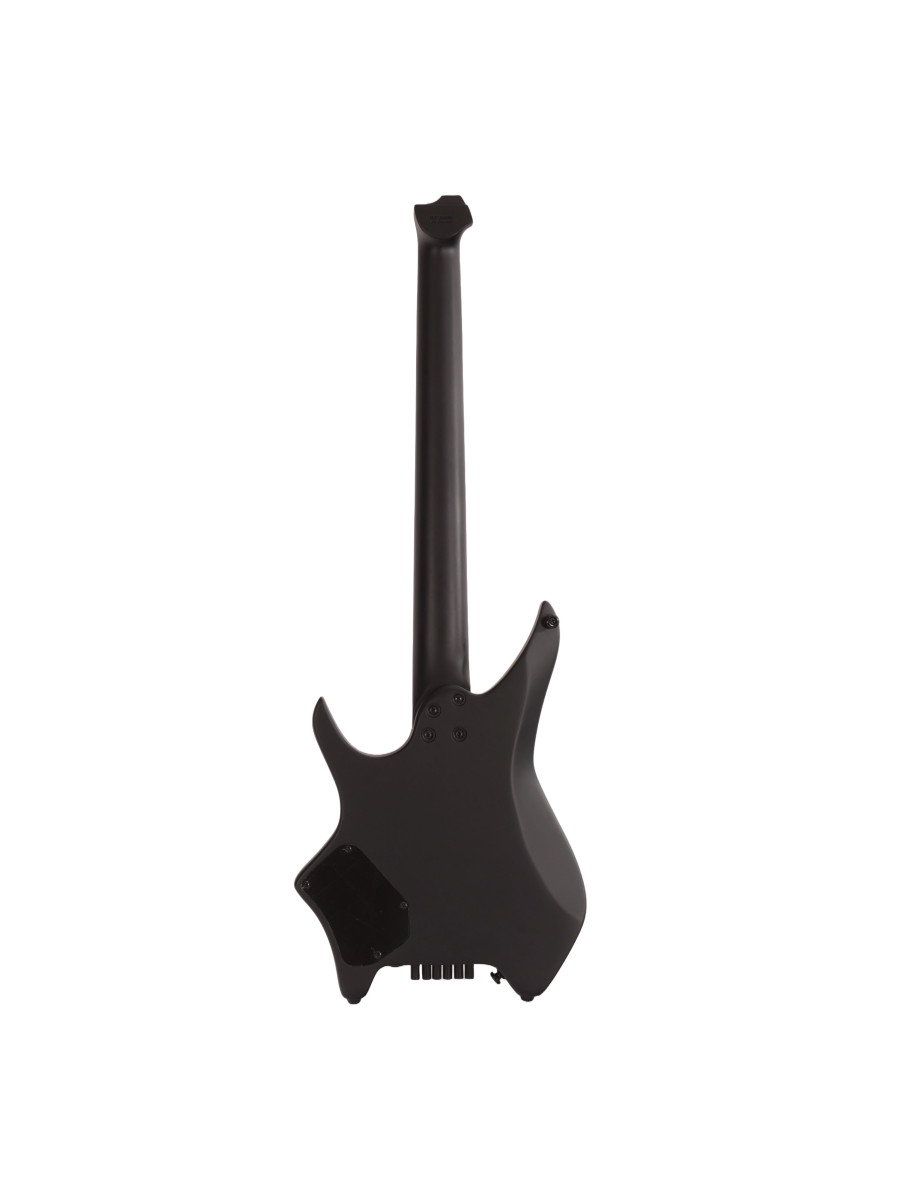
The HILS HN3 Satin Black (HN3-SBK) is a headless electric guitar built around a compact 31" body with a full 25.5" scale length — a combination only possible because the tuning mechanism is relocated from the headstock to the bridge end of the instrument. Indonesian mahogany solid body, roasted hard maple neck with C profile and satin finish, Indian rosewood fretboard with compound 12"-16" radius, 24 narrow tall stainless steel frets, ceramic open-bobbin humbuckers at neck and bridge, push/pull coil split on the tone control, titanium locking headpiece at the bridge, oiled bone nut, custom 6-saddle hardtail bridge, and D'Addario EXL110 strings. Inspected and set up in the USA. Under 5lbs. Includes deluxe padded gig bag with hex wrenches and truss rod tool.
Angkor Music — Headless Design Explained, Why Roasted Maple Matters, and What the Compound Radius Does for Your Playing
Three specifications define the HN3 and are worth understanding before everything else. First, the headless design. A conventional guitar has tuning machines on a headstock at the top of the neck — adding weight above the nut, contributing to neck dive on a strap, and adding significant length to the overall instrument. A headless guitar eliminates the headstock entirely. The strings pass over the nut and are anchored and tuned at the bridge end — on the HN3 via the titanium locking headpiece integrated into the bridge assembly. The result is a guitar with a full 25.5" scale length packed into a 31" overall body — roughly the same playing experience as a standard guitar in a significantly more compact and better-balanced package. On a strap, a headless guitar balances at the body rather than dipping toward the floor — neck dive is eliminated by the absence of the headstock mass that causes it. For players who travel, gig in tight spaces or simply want a lighter more compact instrument without sacrificing scale length or playability, the headless design addresses all of those simultaneously. Second, roasted maple. The HN3's neck is roasted hard maple — maple that has been thermally treated at high temperature in a low-oxygen environment. The roasting process drives out residual moisture from the wood, producing a neck that is more dimensionally stable than unroasted maple — less prone to movement with changes in humidity and temperature. Roasted maple also has a drier, slightly different feel to unroasted maple, and a darker caramelised colour that gives the neck a premium aesthetic without any finish applied to the wood. Third, the compound radius fretboard. The rosewood fretboard has a 12" radius at the nut end and a 16" radius at the upper frets. At 12", the fretboard has a moderate curve that makes open chord and lower position playing comfortable. At 16", the fretboard is nearly flat — which means string bends in the upper register do not choke out as notes are bent across the curved surface. The compound radius is a practical advantage for players who combine rhythm and lead playing, giving chord comfort in low positions and bend accuracy in high positions on the same instrument. We stock the HILS HN3 at Angkor Music — contact us for availability and further information.
Headless vs Conventional Guitar — Key Differences
| Feature | Conventional Guitar | HILS HN3 Headless |
|---|---|---|
| Tuning location | Headstock — top of neck | Bridge end — titanium locking headpiece |
| Overall length | Standard — headstock adds significant length | Compact — 31" body with full 25.5" scale |
| Strap balance | Neck dive common — headstock weight pulls neck down | Balanced — no headstock mass to cause dive |
| Weight | Typically 7-9lbs for a mahogany solid body | Under 5lbs |
| Travel/transport | Standard case/bag size | Compact — fits smaller bags, easier to transport |
| Scale length | Full scale available | Full 25.5" scale — no compromise |
Roasted Hard Maple Neck
Roasting maple drives out residual moisture through sustained high-temperature thermal treatment, producing a neck that is measurably more stable than unroasted maple under environmental changes. The practical results for a player are a neck that moves less with seasonal humidity shifts, a drier and subtly different playing feel, and a darker caramelised appearance that gives the wood a premium aesthetic without stain or tint. The satin finish on the HN3's neck — black on the SBK variant — leaves the roasted maple surface close to natural while keeping the hand moving freely during position shifts.
Compound 12"-16" Radius Fretboard
The Indian rosewood fretboard starts at 12" radius at the nut and flattens progressively to 16" radius at the 24th fret. The practical advantage is significant for players who use the full neck:
- Lower positions (12" radius): The moderate curve makes barre chords and open chord shapes comfortable — the fingers follow a natural arc
- Upper positions (16" radius): The near-flat surface eliminates the note choking that a constant curved radius produces during string bends in the upper register — notes ring cleanly through the full bend range
24 Narrow Tall Stainless Steel Frets
Stainless steel frets are significantly harder than the nickel-silver frets used on most guitars. They do not wear under string contact and require no refretting for the foreseeable life of the instrument. The narrow tall profile — 2.3mm wide by 1.4mm tall — provides precise note placement and good sustain from the string-to-fret contact point. 24 frets gives a full two octave range per string, reaching the upper register that 22-fret instruments cannot access.
Ceramic Open-Bobbin Humbuckers with Coil Split
The neck and bridge positions carry ceramic magnet humbuckers — uncovered, open-bobbin design. Ceramic magnets produce higher output and a more aggressive, forward frequency response than Alnico alternatives, suited to high-gain playing styles. The push/pull tone control (A500K pot) splits the bridge humbucker to single-coil operation — accessing a cleaner, brighter, lower-output character without a pickup change. The 3-way selector provides neck, bridge and both positions in humbucker mode; the coil split on the tone pot adds single-coil options across the same selector positions.
Titanium Locking Headpiece — How Headless Tuning Works
On a conventional guitar, strings are wound around tuning pegs on the headstock and adjusted by rotating the machine head buttons. On the HN3, strings are inserted into the titanium locking headpiece at the bridge end — the locking mechanism clamps each string securely, and fine tuning adjusters on the bridge allow precise pitch adjustment. The system produces excellent tuning stability — the titanium construction is both lightweight and corrosion resistant, and the locking mechanism eliminates the string slippage that conventional tuners can produce.
Additional Specifications Worth Noting
- Double-action truss rod with spoke nut at neck heel: Truss rod adjustments are made at the neck heel with the included spoke nut tool — no need to remove the neck or access a headstock truss rod cover. Double-action allows adjustment in both directions for precise relief control
- Oiled bone nut — 42mm: Bone is the preferred nut material for tone and sustain transmission. The 42mm width and oiled surface provide smooth string movement and consistent contact
- Custom 6-saddle hardtail bridge — 10.5mm saddle spacing: Fixed bridge for maximum sustain and tuning stability. Individual saddle adjustment for intonation and action
- Barrel-type mono output jack: Compact, flush-fitting output jack suited to the HN3's streamlined body profile
- Inspected and set up in the USA: Factory setup verified before shipping — plays correctly out of the box
- D'Addario EXL110 strings (.010-.046): Standard light gauge — the industry reference string for 25.5" scale electric guitars
Who Is the HILS HN3 Satin Black For?
- Players who want a full-scale electric guitar in a significantly more compact and lighter package than a conventional solid body
- Gigging players who want better strap balance and no neck dive during long sets
- Touring or travelling players who want a compact instrument without sacrificing full scale length and playability
- Lead players who want stainless steel frets for long-term durability and a compound radius for bend accuracy in upper positions
- Players who want humbucker output with single-coil capability from one guitar via the coil split
- Players who are interested in headless guitar design and want an accessible entry point with genuine premium specifications
Specifications
| SKU | HN3-SBK |
| Brand | HILS |
| Model | HN3 |
| Type | Headless Solid Body Electric Guitar |
| Finish | Satin Black |
| Body | Indonesian Mahogany — solid, 31" overall length |
| Neck | Roasted Hard Maple — C profile, bolt-on, satin black finish |
| Fretboard | Indian Rosewood — compound 12"-16" radius |
| Scale Length | 25.5" (648mm) |
| Frets | 24 — narrow tall stainless steel (2.3mm x 1.4mm) |
| Nut | Oiled Bone — 42mm |
| Inlays | White pearloid dots 4mm — white side dots |
| Headstock | Headless |
| Tuning System | Titanium locking headpiece at bridge end |
| Bridge | Custom 6-saddle hardtail — 10.5mm saddle spacing |
| Neck Pickup | Ceramic humbucker — open bobbin |
| Bridge Pickup | Ceramic humbucker — open bobbin |
| Controls | 1 Volume (B500K), 1 Tone (A500K push/pull coil split), 3-way selector |
| Output | Barrel-type mono 1/4" jack |
| Truss Rod | Double-action — spoke nut at neck heel |
| Weight | Under 5lbs |
| Strings | D'Addario EXL110 (.010-.046) |
| Setup | Inspected and set up in the USA |
| Included | Deluxe padded gig bag, hex wrenches (1.5mm, 2.5mm), spoke nut truss rod tool |
Expert Advice at Angkor Music
At Angkor Music Melbourne we stock the HILS HN3 range. If you want to know more about headless guitar design or want to compare the HN3 against conventional alternatives, contact us or visit us in Altona.
★★★★★ 4.9 Stars — Read Our 1,600+ Google Reviews →
Frequently Asked Questions
What is a headless guitar and how does it play differently?
A headless guitar eliminates the headstock — the section above the nut where tuning machines are conventionally located. On the HN3, strings are anchored and tuned at the bridge end via the titanium locking headpiece rather than at the top of the neck. The playing experience is identical to a conventional guitar in terms of scale length, fretting and tone — the HN3 uses a full standard 25.5" scale. The differences are in ergonomics: the overall instrument is more compact, significantly lighter, and balances more naturally on a strap without neck dive.
How do you tune a headless guitar?
On the HN3, strings are inserted through the titanium locking headpiece at the bridge end and locked in place. Fine tuning is adjusted via the individual saddle tuning adjusters on the bridge. Initial tuning from scratch is done by adjusting these fine tuners — the locking mechanism holds each string securely once set, maintaining tuning stability during aggressive playing. A clip-on or pedal tuner works as normal — the tuner reads the string pitch regardless of where the tuning adjustment is made.
What does the push/pull coil split do?
The tone control has a push/pull pot — pulled up, it splits one coil of each humbucker, converting the pickup from dual-coil humbucker operation to single-coil operation. Humbuckers produce higher output, more midrange body and hum-cancelling operation. Single-coil mode produces a brighter, cleaner, lower-output character with more treble presence. The coil split adds tonal versatility without adding extra switches — the 3-way pickup selector continues to function normally in both humbucker and single-coil modes.
What is roasted maple and why is it used on the neck?
Roasted maple is maple that has been thermally treated at high temperature in a low-oxygen environment. The process drives out residual moisture from the wood, producing a neck that is more dimensionally stable than unroasted maple — less prone to movement with humidity and temperature changes. Roasted maple also has a drier feel and a darker caramelised colour. It is a premium neck material used on more expensive instruments and represents a meaningful specification advantage on the HN3.
Do stainless steel frets play differently from standard frets?
Stainless steel frets are harder and smoother than the nickel-silver frets used on most guitars. They produce a slightly brighter, more articulate attack. The primary advantage is durability — stainless steel frets do not wear under string contact and will outlast nickel-silver frets by a significant margin, potentially lasting the life of the instrument. The narrow tall profile on the HN3 provides precise note placement and contributes to good sustain.
Additional information
| Weight | 0.0000 kg |
|---|---|
| Type | Electric Guitar |
| Instrument Family | Electric Guitar |
Related Items & Accessories
Related products
-
8% OFF
RRP $92.00
Save $7.00
Sale!
 SKU: 14010601 – Ruthenium
Schaller New S Locks (Pair) Ruthenium 14010601 Strap Locks / security Locks
Original price was: $92.00.$85.00Current price is: $85.00.In Stock -
26% OFF
RRP $4,699.00
Save $1,200.00
Sale!
 SKU: 041152
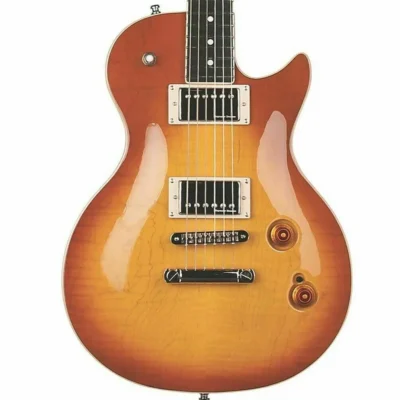
GODIN SUMMIT CLASSIC (CT) HB CREME BRULEE with Gig bag
Original price was: $4,699.00.$3,499.00Current price is: $3,499.00.In Stock -
26% OFF
RRP $4,599.00
Save $1,200.00
Sale!
 SKU: 04130
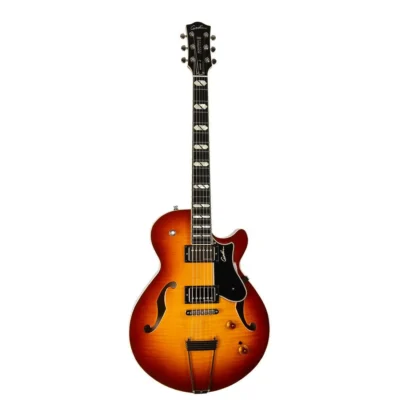
Godin Montreal Premiere Supreme Lightburst Flame HG Semi-Hollow Electric Guitar
Original price was: $4,599.00.$3,399.00Current price is: $3,399.00.In Stock -
19% OFF
RRP $529.00
Save $100.00
Sale!
 SKU: 11108-21-B
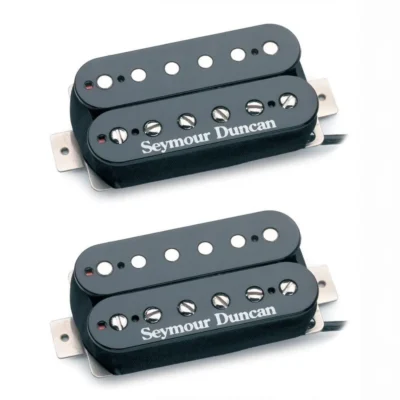
Seymour Duncan Black Distortion Mayhem SH-6b & SH-6n Guitar Humbucker Pickup Set
Original price was: $529.00.$429.00Current price is: $429.00.In Stock -
14% OFF
RRP $569.00
Save $80.00
Sale!
 SKU: 11208-03
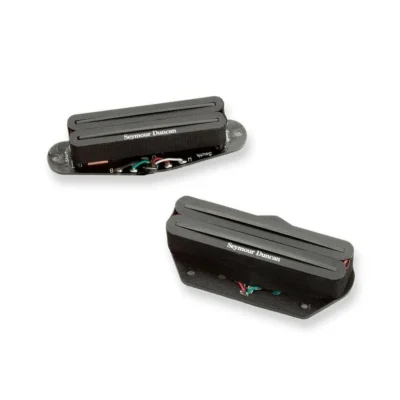
Seymour Duncan STHR-1 Hot Rails Tele Guitar Pickup Set – Black
Original price was: $569.00.$489.00Current price is: $489.00.In Stock