
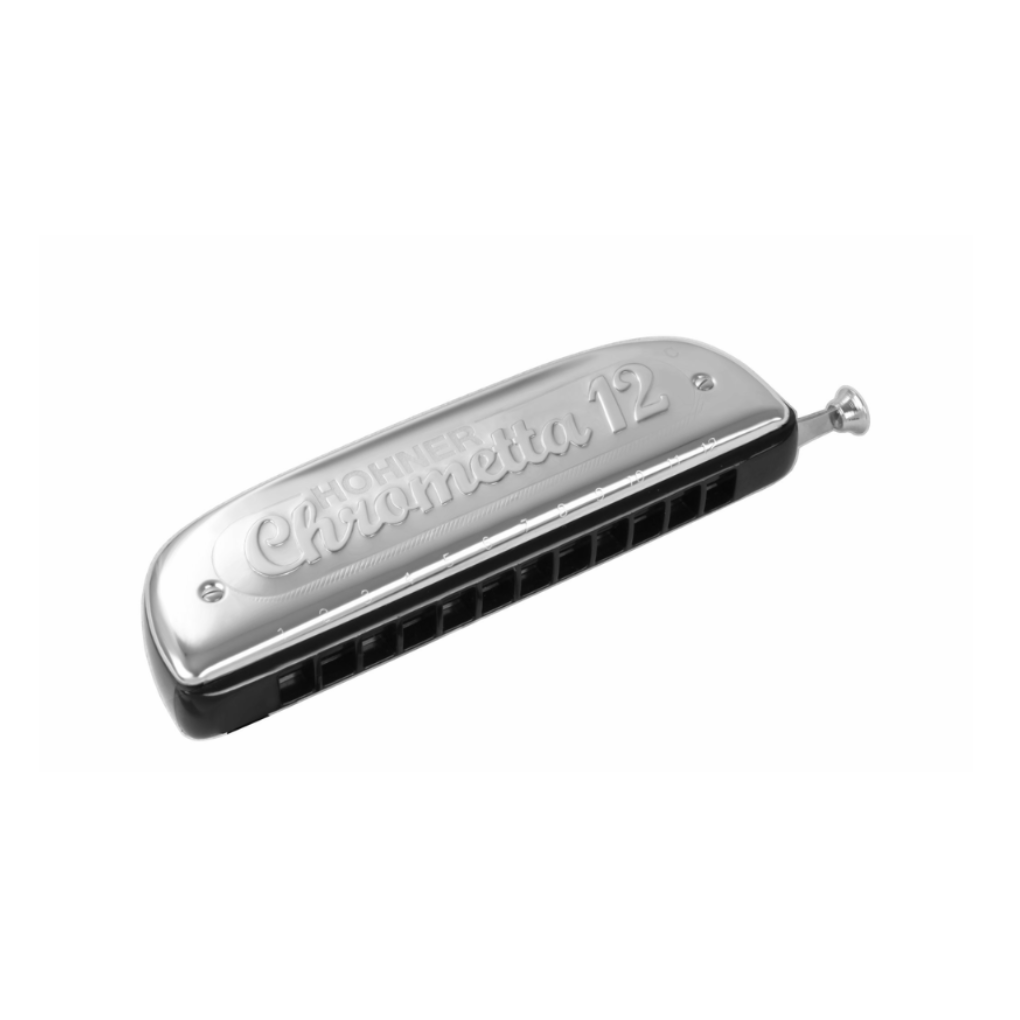
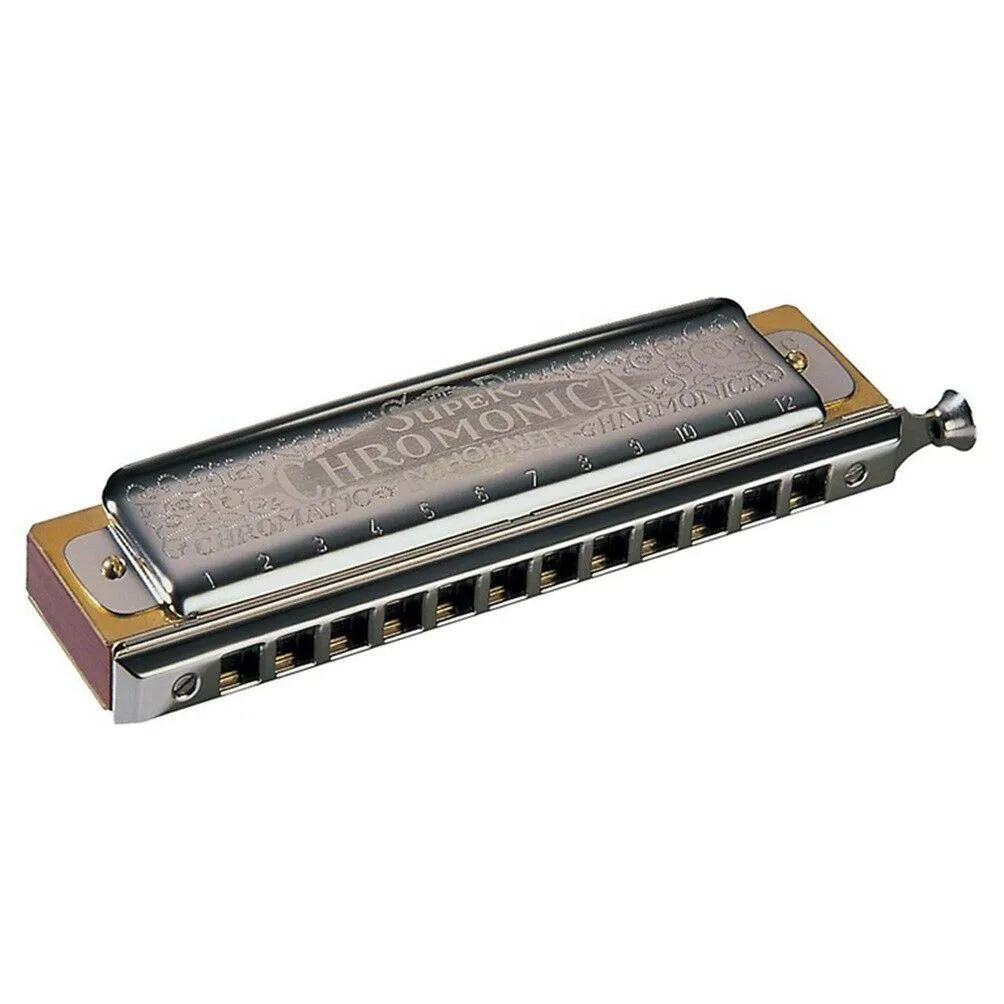
Hohner 255/48/C Chrometta 12 Hole Chromatic Harmonica
★★★★★ 4.9 Stars — Over 1,500 Google Reviews
Original price was: $259.00.$209.00Current price is: $209.00.
FAST
Delivery
EASY
Returns
IN HOUSE
Repairs



Pick-up from store - FREE
Free pickup from our Melbourne Store at 4 Drake Boulevard, Altona VIC 3018. Your order will typically be ready by the next business day. We recommend calling us on (03) 8360 7799 beforehand to check it's ready for collection.
International Shipping
Please proceed to checkout to see international rates and avalability.
Hohner Chrometta 12 — 12 Hole Chromatic Harmonica, Full 3 Octave Range, Key of C (255-C)
The Hohner Chrometta 12 (255-C) is a 12-hole chromatic harmonica in the key of C — the first instrument in Hohner's Chrometta series to offer the full three-octave range of their more expensive chromatic models. Built for the advanced student who wants to move seriously into chromatic harmonica, the Chrometta 12 features a durable plastic comb that performs consistently across all climate conditions, stainless steel cover plates, and a projecting mouthpiece with large channel openings that makes single-note isolation easier during the early stages of chromatic technique. Three octaves puts the Chrometta 12 at the level of functionality required for genuine musical exploration — scales, arpeggios, complete melodies and chord-based work across the full chromatic range.
Angkor Music — Chromatic vs Diatonic Harmonica, and Why the Chrometta 12 Is the Right Entry Point
Players coming from the diatonic harmonica world — or players picking up harmonica for the first time drawn to the chromatic instrument — benefit from understanding the fundamental difference between the two types. A diatonic harmonica plays the notes of one major scale naturally, with bending technique used to access additional notes. Each diatonic harmonica is in a specific key and cannot easily play in other keys. A chromatic harmonica adds a slide mechanism — the button on the right side of the instrument. Pressing the slide raises every note by one semitone (a sharp), giving access to all 12 notes of the chromatic scale from a single instrument. A chromatic harmonica in C can play in any key, in any mode, and across any musical style — jazz, classical, pop, folk, orchestral work. This is why the chromatic harmonica is used in contexts that the diatonic cannot serve: Stevie Wonder's melodic playing, Toots Thielemans' jazz work, Larry Adler's classical recordings. The Chrometta 12 is positioned as the entry point into serious chromatic playing — not a toy or a basic introduction, but the first instrument in the Chrometta series with the full three-octave range needed to play complete music rather than excerpts. The Chrometta 8 and 10 below it in the range have fewer holes and less range — adequate for initial exploration but limiting in practice. The 12-hole three-octave instrument is where chromatic harmonica playing genuinely begins. At Angkor Music we stock the Hohner harmonica range including diatonic and chromatic models — contact us if you want advice on which instrument suits your starting point and musical goals.
Chromatic vs Diatonic — Choosing the Right Type
| Feature | Diatonic Harmonica | Chromatic Harmonica (Chrometta 12) |
|---|---|---|
| Notes available | One major scale — accidentals via bending | All 12 notes — slide button raises each note a semitone |
| Keys | One key per harmonica — players collect multiple | One instrument plays in any key |
| Range (12-hole) | 3 octaves (diatonic scale only) | 3 octaves — full chromatic scale |
| Style | Blues, folk, rock, country | Jazz, classical, pop, orchestral, all styles |
| Technique | Bending essential for full range | Slide button accesses accidentals — bending optional |
Three Octaves — Why Range Matters
The Chrometta 12's full three-octave range is what separates it from smaller chromatic harmonicas and makes it the first meaningful entry point into the instrument. Three octaves covers the range required for:
- Complete major and minor scales across all registers
- All modes and chromatic scale patterns
- Complete melodies across the full range of most musical repertoire
- Arpeggios and chord-based playing across the full harmonic range
- The same functional range as Hohner's more expensive chromatic models — the Super Chromonica 270, CX-12 and Chromonica 280 all offer this same three-octave span
Shorter chromatic harmonicas — 8-hole and 10-hole models — have their uses but are limiting for students who want to develop serious technique and repertoire. The Chrometta 12 provides the complete range required for genuine musical progress.
Plastic Comb — Performance Across All Conditions
The Chrometta 12's plastic comb is the correct choice for a student instrument and for regular gigging use in variable conditions. Harmonica combs — the central body of the instrument through which air flows across the reeds — respond differently to humidity and temperature depending on material:
- Wood combs: Traditional and tonally warm, but wood absorbs moisture and can swell, causing the comb to seal unevenly against the reed plates and reducing airtightness. In dry conditions, wood can shrink and crack
- Metal combs: Consistent dimensionally, but add weight and produce a different tonal character
- Plastic comb (Chrometta 12): Does not absorb moisture, does not swell or shrink, maintains consistent dimensional stability in all climates — the same seal quality in Melbourne's variable humidity as in any other environment
For a student instrument used regularly in practice and performance, a plastic comb is the most reliable and low-maintenance choice.
Projecting Mouthpiece — Designed for Learner Technique
The Chrometta 12's projecting mouthpiece extends forward from the harmonica body with large channel openings — the holes through which the player blows and draws. This design addresses one of the primary technical challenges for chromatic harmonica beginners: playing single notes cleanly.
On standard mouthpieces, the channel openings are smaller and the mouthpiece sits closer to the cover plates, making it harder for a beginning player to position their lips precisely enough to play single notes without accidentally sounding adjacent holes. The Chrometta 12's projecting mouthpiece gives the player more contact surface and larger channel openings — making single-note isolation more accessible during the early stages of developing embouchure and technique.
As technique develops, players typically move to instruments with tighter mouthpieces — but the Chrometta 12's projecting design is a genuine advantage during the learning period.
Stainless Steel Cover Plates
The stainless steel cover plates provide durability and a comfortable playing experience. Stainless steel resists corrosion — important for an instrument that comes into regular contact with moisture from the player's breath — and maintains its finish and structural integrity through sustained use.
Key of C — The Standard Starting Key for Chromatic Harmonica
The Chrometta 12 in key of C is the standard starting point for chromatic harmonica. Unlike diatonic harmonicas where players often collect multiple keys for different musical contexts, chromatic harmonica players typically play in C — the instrument's natural position plays the C major scale, and the slide mechanism accesses all other notes and keys from that position. Most teaching materials, exercises and sheet music for chromatic harmonica are written assuming a C instrument. This is the correct key for a beginning chromatic player.
Chrometta Series — Where the 12 Sits
The Chrometta series is Hohner's entry-level chromatic range. Within the series:
- Chrometta 8 — 8 holes, 2 octaves, initial exploration
- Chrometta 10 — 10 holes, limited range
- Chrometta 12 (this instrument) — 12 holes, 3 octaves, first with full range
Above the Chrometta series, Hohner's professional chromatic range includes the CX-12, Super Chromonica 270 and Chromonica 280 — instruments with more refined materials and construction for advanced and professional players. The Chrometta 12 provides the same fundamental range as these instruments at an entry-level price, making it the natural first serious chromatic harmonica for a student committed to the instrument.
Who Is the Hohner Chrometta 12 For?
- Advanced students wanting to move into chromatic harmonica seriously — with a full 3-octave range rather than a compromised entry-level instrument
- Diatonic harmonica players who want to explore the chromatic instrument without the investment of a professional model
- Players drawn to jazz, classical or pop harmonica styles where the chromatic instrument is the correct choice
- Beginners who want the mouthpiece design advantage of the projecting format during the learning period
- Players in variable climate conditions where the plastic comb's stability is an advantage
- Players who want to move beyond the limitations of diatonic harmonica without yet committing to a professional chromatic instrument
Specifications
| SKU | 255-C |
| Brand | Hohner |
| Model | Chrometta 12 |
| Type | Chromatic Harmonica |
| Holes | 12 |
| Range | Full 3 octaves |
| Key | C |
| Comb | Durable plastic — climate stable |
| Cover Plates | Stainless steel |
| Mouthpiece | Projecting — large channel openings |
| Series | Chrometta |
| Level | Advanced student / entry-level chromatic |
| Manufacture | Hohner — Germany |
Expert Advice at Angkor Music
At Angkor Music Melbourne we stock the Hohner harmonica range across diatonic and chromatic models. If you are deciding between a chromatic and diatonic instrument, or between models within the chromatic range, contact us — our team can advise on which instrument suits your musical goals and starting point.
★★★★★ 4.9 Stars — Read Our 1,600+ Google Reviews →
Frequently Asked Questions
What is the difference between a chromatic and diatonic harmonica?
A diatonic harmonica plays the notes of one major scale naturally, with bending technique used to access additional notes. Each diatonic harmonica is in a specific key. A chromatic harmonica has a slide button that raises every note by a semitone when pressed — giving access to all 12 notes of the chromatic scale from a single instrument. One chromatic harmonica can play in any key. The chromatic is the instrument used for jazz, classical and orchestral harmonica; the diatonic is associated with blues, folk and rock.
Do I need to know how to play diatonic harmonica before learning chromatic?
No — chromatic and diatonic harmonicas use different techniques, and many players begin directly on chromatic without any diatonic background. The technique for chromatic harmonica is in some ways more straightforward for classically-trained musicians because accidentals are accessed via the slide button rather than bending technique. If you play another instrument and can read music, chromatic harmonica is a very accessible starting point.
Why is the Chrometta 12 better than the Chrometta 8 or 10 for a serious student?
The Chrometta 8 and 10 have fewer holes and less range — they are adequate for initial exploration but limiting for students who want to develop real technique and repertoire. The Chrometta 12's full three-octave range covers the complete functional range of Hohner's more expensive professional chromatic models, giving you everything you need to learn and play complete music rather than excerpts.
Is key of C the right key for a chromatic harmonica?
Yes — C is the standard key for chromatic harmonica and the correct choice for a beginning player. Unlike diatonic harmonicas where different keys are needed for different musical contexts, a chromatic harmonica in C can play in any key using the slide mechanism. All teaching materials, exercises and standard repertoire for chromatic harmonica assume a C instrument.
What is the projecting mouthpiece and does it help beginners?
The projecting mouthpiece extends forward from the harmonica body with larger channel openings than standard designs. This makes it easier to position your lips precisely enough to play single notes without accidentally sounding adjacent holes — one of the main technical challenges for beginner chromatic players. It is a genuine practical advantage during the learning period.
Additional information
| Weight | 0.0000 kg |
|---|---|
| type | Diatonic Harmonica |
| Instrument | harmonica |
| Key | E |
Related Items & Accessories
Related products
-
11% OFF
RRP $84.99
Save $8.99
Sale!
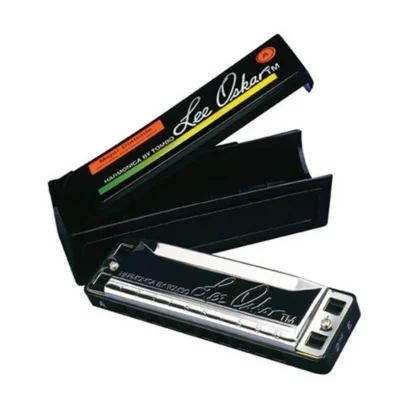 SKU: 1910-Ab
Lee Oskar by Tombo Major Diatonic Harmonica A Flat major 1910Ab Blues Harp
Original price was: $84.99.$76.00Current price is: $76.00.In Stock -
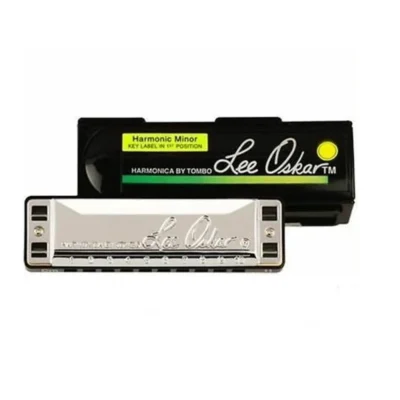 SKU: 1910H-Dm
Lee Oskar by Tombo Harmonic Minor Harmonica 1910H-D Blues Harp D Minor
$84.99In Stock -
11% OFF
RRP $84.99
Save $8.99
Sale!
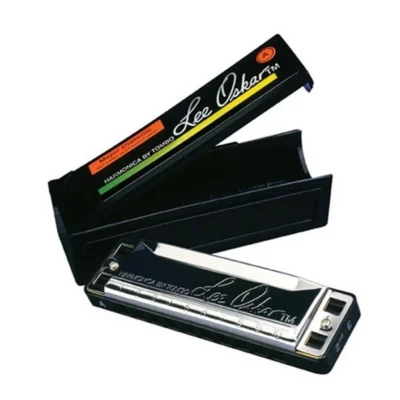 SKU: 1910-E
Lee Oskar by Tombo Major Diatonic Harmonica E major 1910-E Blues Harp
Original price was: $84.99.$76.00Current price is: $76.00.In Stock -
80% OFF
RRP $396.00
Save $317.00
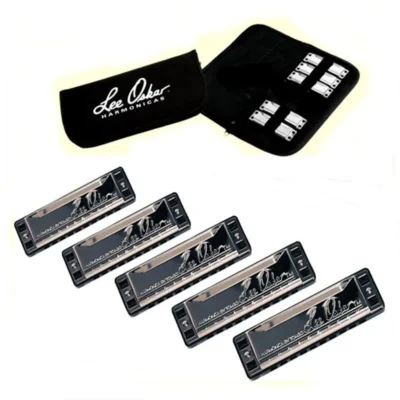 SKU: 1910-5P-0-685g
Lee Oskar Harmonica 5-Pack Case
Original price was: $396.00.$79.00Current price is: $79.00.Out of stock -
8% OFF
RRP $84.99
Save $6.99
Sale!
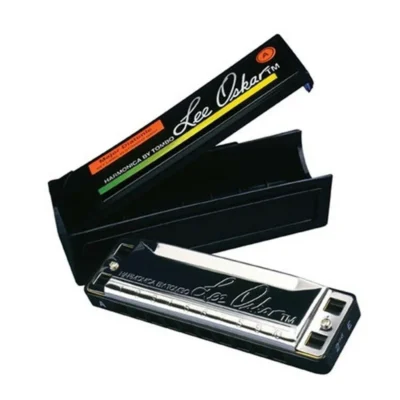 SKU: 1910-C
Lee Oskar by Tombo Major Diatonic Harmonica C major 1910-C Blues Harp
Original price was: $84.99.$78.00Current price is: $78.00.Out of stock