
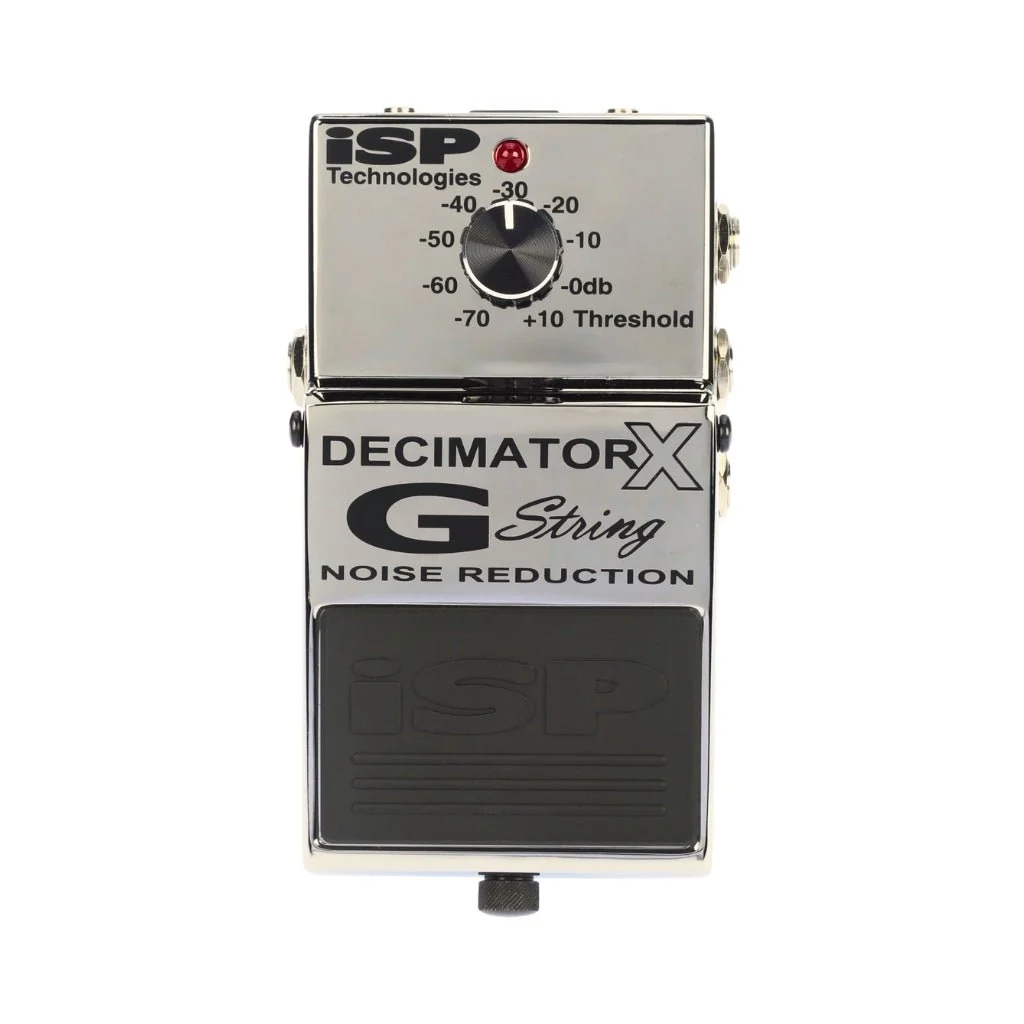
ISP DECIMATOR X G NR Pedal with Loop Connections – Ultimate Noise Reduction
★★★★★ 4.9 Stars — Over 1,500 Google Reviews
Original price was: $629.00.$539.00Current price is: $539.00.
FAST
Delivery
EASY
Returns
IN HOUSE
Repairs



Pick-up from store - FREE
Free pickup from our Melbourne Store at 4 Drake Boulevard, Altona VIC 3018. Your order will typically be ready by the next business day. We recommend calling us on (03) 8360 7799 beforehand to check it's ready for collection.
International Shipping
Please proceed to checkout to see international rates and avalability.
ISP Decimator X G String — Noise Reduction Pedal with Loop Connections (GSTRINGX)
The ISP Decimator X G String (GSTRINGX) is a professional noise reduction pedal with G String loop connections — a design that solves the fundamental problem with conventional noise gates by tracking the clean guitar signal while applying noise reduction to the effects loop signal simultaneously. For high-gain players dealing with noise from preamp gain stages, distortion pedals, single-coil pickups or dense pedalboard signal chains, the Decimator X G delivers noise reduction that responds naturally to guitar dynamics rather than cutting the signal abruptly — transparent, musical and effective where conventional gates are not.
Angkor Music — Noise Gate vs Noise Reduction, the G String Connection, and Why High-Gain Players Need Both
Two things define the ISP Decimator X G and are worth understanding before everything else. First, the difference between a noise gate and noise reduction. A conventional noise gate sets a volume threshold — when the signal falls below that threshold, the gate closes and cuts the signal entirely. This works acceptably for mild noise situations but fails under high gain for two reasons: the threshold is difficult to set correctly because the heavily distorted signal has different dynamics from the clean guitar signal, and the gate closing sounds abrupt and unnatural — notes cut off rather than decay. ISP's Decimator technology uses downward expansion rather than hard gating — instead of cutting the signal at a threshold, it proportionally reduces the noise floor in relation to the input signal level, tracking the natural decay of notes and allowing them to tail off naturally while the noise drops away underneath. The result sounds like the noise was never there, rather than like a gate chopping the signal. Second, the G String connection. High-gain signal chains create a specific problem: by the time the signal has been through overdrive and distortion pedals or a high-gain preamp, its dynamic character is heavily compressed and saturated — the tracking circuit of a noise reduction unit cannot accurately read the guitar's natural pick attack and decay from this signal. The G String concept solves this by splitting the signal path: the guitar feeds a dedicated tracking input on the pedal (the G String input) which sees the clean, uncompressed guitar signal and uses it to determine the noise reduction behaviour. The noise reduction itself is applied at the effects loop where the noisy, high-gain signal lives. Because the tracking circuit sees the clean signal, the reduction responds accurately to the guitarist's natural dynamics — picking hard opens the reduction fully, light playing allows it to work proportionally, and releasing a note allows it to decay naturally rather than snapping shut. This is why professional high-gain players use the Decimator G String over standard noise gates — it sounds like it's not there, until you bypass it and realise how much noise it was managing. Contact us at Angkor Music for further information on this pedal.
Noise Gate vs ISP Decimator — The Key Difference
| Feature | Conventional Noise Gate | ISP Decimator X G |
|---|---|---|
| Noise reduction method | Hard threshold — cuts signal below a set level | Downward expansion — proportionally reduces noise floor |
| Note decay behaviour | Abrupt cutoff — notes snap off at threshold | Natural decay — notes tail off as normal |
| Signal tracking | Reads the distorted/compressed signal — inaccurate under high gain | G String tracks clean guitar signal — accurate at any gain level |
| Tonal transparency | Audible artefacts during threshold transitions | Transparent — noise reduction is inaudible in operation |
| High-gain suitability | Problematic — compressed distorted signal gives poor tracking | Excellent — designed specifically for high-gain environments |
The G String Loop Connection — How It Works
The G String connection is the key to the Decimator X G's performance in high-gain signal chains. The setup uses two signal paths:
Tracking path (G String input):
The guitar plugs into the G String input, which passes the clean uncompressed signal directly to the tracking circuit. This circuit reads the guitar's natural pick attack, sustain and decay — information that is accurate and unaffected by gain or compression.
Noise reduction path (loop):
The noisy signal — after gain stages, distortion pedals or the amp's preamp — runs through the loop connections. The noise reduction is applied here, controlled by the tracking data from the clean G String input.
The result is noise reduction that responds to the guitar's actual dynamics rather than the compressed, saturated dynamics of the high-gain signal. Notes decay naturally, picking response is accurate, and the reduction is proportional rather than abrupt — the noise floor drops exactly as much as the playing level drops, making the reduction effectively invisible in normal playing.
Where the Noise Comes From — and Why This Matters
Understanding where noise originates explains why the G String approach is necessary for professional high-gain use:
- Single-coil pickups: Inherently noisy due to their design — 60Hz hum from electromagnetic interference is present at all gain levels and becomes more prominent as gain increases
- High-gain preamps and distortion pedals: Every dB of gain amplifies both the guitar signal and the noise floor equally. A high-gain amp channel that adds 40dB of gain also adds 40dB to the noise floor — producing a significant hiss that a standard gate cannot cleanly manage
- Dense pedalboard chains: Each pedal in a chain adds its own noise contribution — a long chain of pedals can accumulate significant noise even from individually quiet pedals
- Stage and studio environments: Fluorescent lighting, other electrical equipment, ground loops and RF interference all contribute noise that becomes unmanageable at professional gain levels without a properly designed noise reduction solution
The Decimator X G addresses all of these simultaneously — applied at the effects loop where the accumulated noise lives, controlled by the clean tracking signal where the guitar's true dynamics are available.
Who Is the ISP Decimator X G For?
- High-gain players — metal, hard rock, progressive — whose noise floor makes quiet passages and note decays unworkable without noise reduction
- Single-coil pickup players who deal with persistent 60Hz hum at any gain level
- Players who have tried conventional noise gates and found them too abrupt, too unreliable under high gain, or audibly affecting their tone
- Professional and semi-professional players who need transparent noise reduction that does not affect their tone or dynamics in normal use
- Studio players and home recordists for whom noise is audible in recorded tracks and needs to be managed at source
- Players with dense pedalboards where accumulated chain noise has become a problem
Specifications
| SKU | GSTRINGX |
| Brand | ISP Technologies |
| Model | Decimator X G String |
| Type | Noise Reduction Pedal |
| Technology | Downward expansion noise reduction |
| Connection | G String loop connections — dual path tracking and reduction |
| Application | High-gain, professional pedalboard, studio and stage |
| Tone transparency | Transparent — no tonal colouration |
Expert Advice at Angkor Music
At Angkor Music Melbourne we stock ISP Technologies noise reduction alongside a full range of effects pedals and pedalboard accessories. If you want advice on where in your signal chain to integrate the Decimator X G, or whether this is the right noise solution for your setup, contact us or visit us in Altona.
★★★★★ 4.9 Stars — Read Our 1,600+ Google Reviews →
Frequently Asked Questions
What is the difference between a noise gate and noise reduction?
A noise gate cuts the signal completely below a set threshold — when you stop playing, the gate closes and silence is imposed. This sounds abrupt and unnatural because notes don't decay normally — they cut off. Noise reduction using downward expansion, as in the ISP Decimator, works differently — it proportionally lowers the noise floor relative to the signal level, allowing notes to decay naturally while the noise underneath them reduces proportionally. The result sounds musical and transparent rather than mechanical and abrupt.
What does the G String connection do?
The G String connection allows the Decimator X G to track the clean guitar signal (via a dedicated input) while applying noise reduction to the high-gain effects loop signal. Because the tracking circuit reads the clean uncompressed guitar signal, it responds accurately to the player's real dynamics — pick attack, sustain and decay — rather than the heavily compressed dynamics of the distorted signal. This produces more natural, accurate and transparent noise reduction than is possible when the noise reduction circuit reads the distorted signal directly.
Where in my signal chain does this pedal go?
The G String connection integrates with the effects loop of your amplifier. The guitar feeds the pedal's G String input, which passes to the rest of your signal chain and the amp's input. The amp's effects loop send and return connect to the loop in and out on the pedal. This positions the noise reduction in the effects loop where the high-gain signal lives, while the tracking circuit reads the guitar signal before any gain is applied. If you are unsure how to configure this for your specific amp and pedalboard, contact us at Angkor Music for advice.
Will this affect my tone when it's reducing noise?
No — the downward expansion approach is specifically designed to be tonally transparent. It does not alter the frequency content or dynamics of the signal above the noise floor; it only reduces the level of the signal when your playing level drops, proportionally and gradually. The reduction should be inaudible in normal playing — you notice it only when you bypass the pedal and hear how much noise it was managing.
Do I need this if I already have a noise gate on my amp or in my effects chain?
Many amplifiers and multi-effects units include a basic noise gate. These work adequately for mild noise situations but typically use hard-threshold gating rather than downward expansion, and do not have the G String dual-path tracking capability. For high-gain players who find their existing gate sounds unnatural or cuts notes off too early, or who need to manage noise from dense pedalboard chains, the Decimator X G provides a meaningfully better solution.
Additional information
| Weight | 0.69 kg |
|---|---|
| type | Noise Gate |
Related Items & Accessories
Related products
-
 SKU: AP-RVF
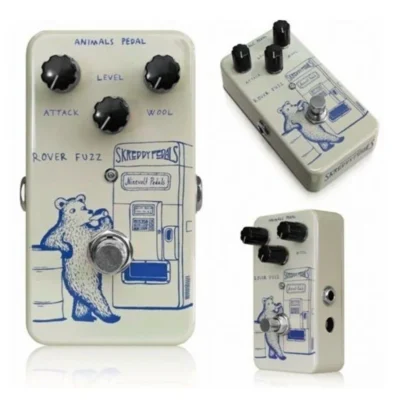
Animals Pedal Rover Fuzz by Skreddy Guitar Effects Pedal
$174.94Out of stock -
9% OFF
RRP $159.00
Save $14.61
 SKU: AP-CCV
ANIMALS PEDAL Car Crush Chorus / Vibe Guitar Effects Pedal
Original price was: $159.00.$144.39Current price is: $144.39.Out of stock -
37% OFF
RRP $299.00
Save $110.00
Sale!
 SKU: AMT-OE-1
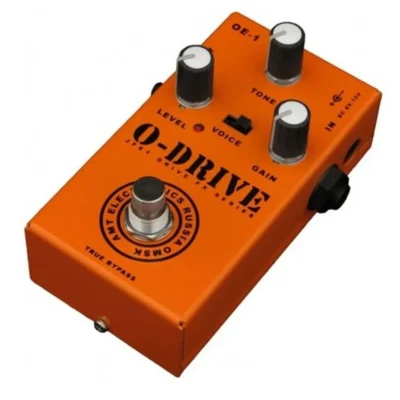
AMT Electronics Drive Series OE-1 O–Drive Guitar effects Pedal
Original price was: $299.00.$189.00Current price is: $189.00.In Stock -
 SKU: AP-HKC
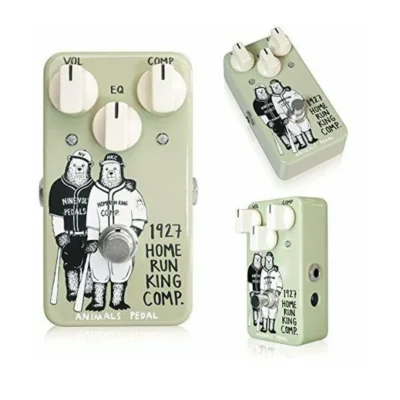
ANIMALS PEDAL 1927 Homerun King Comp – Compressor Guitar Effects Pedal
$142.54Out of stock -
17% OFF
RRP $359.00
Save $60.00
Sale!
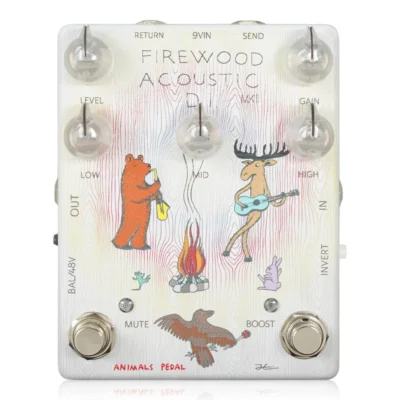 SKU: AP-FADI2
Animals Pedal Firewood Acoustic DI MKII Guitar effects Pedal
Original price was: $359.00.$299.00Current price is: $299.00.Out of stock