


Jet JS-300 SSS Electric Guitar Plum Finish – Rosewood Fretboard
★★★★★ 4.9 Stars — Over 1,500 Google Reviews
Original price was: $579.00.$449.00Current price is: $449.00.
FAST
Delivery
EASY
Returns
IN HOUSE
Repairs



Check AU Shipping Cost
Pick-up from store - FREE
Free pickup from our Melbourne Store at 4 Drake Boulevard, Altona VIC 3018. Your order will typically be ready by the next business day. We recommend calling us on (03) 8360 7799 beforehand to check it's ready for collection.
International Shipping
Please proceed to checkout to see international rates and avalability.
Jet JS-300 Electric Guitar — Plum
The Jet JS-300 in Plum (SKU: JS-300-PLM-R) is a Stratocaster-inspired 22-fret electric guitar built on a roasted poplar body, with a Canadian roasted maple neck, rosewood fretboard, three ceramic single-coil pickups, and a chrome tremolo bridge. Where the standard basswood-body JS-300 variants carry the value at the neck and nut, this Plum variant shifts the story — the roasted poplar body is a less common and more interesting body wood choice, and the rosewood fretboard pairs with the roasted maple neck in the classic warm-on-warm combination that players have gravitated toward for decades on high-end Fender-spec instruments.
★ Expert Insight — Roasted Maple + Rosewood: A Classic Combination, and Why Roasted Poplar Matters
The neck and fretboard combination on the JS-300 PLM-R follows the most traditional high-end Stratocaster spec: a bright, stable maple neck paired with a warm, smooth rosewood fretboard. The two materials complement each other tonally — maple's clarity and attack on the back of the neck, rosewood's warmth and midrange depth on the playing surface. Roasting the maple takes stability further than unroasted maple by removing residual moisture from the wood cells, making the neck less prone to seasonal movement in Australia's humidity variations.
The roasted poplar body is worth understanding. Poplar is a consistent, balanced-sounding tonewood used across many production instruments — similar in many ways to alder, with a smooth, mid-forward character. Roasting the poplar applies the same heat-treatment process as roasted maple: more dimensionally stable, slightly changed in its cell structure, and carrying a subtly warmer appearance. At this price point, roasted poplar is a more considered body wood choice than unroasted basswood or unroasted poplar, and it reflects Jet Guitars' approach of applying quality material choices across the instrument rather than concentrating upgrades at a single point.
Plum Finish
Plum is a deep, saturated purple-red colour that sits in the territory between burgundy and violet — richer and darker than a standard purple, warmer than a pure violet, and more chromatic than a wine or burgundy. On roasted poplar, the finish sits as a solid, opaque colour coat that doesn't show the grain beneath, giving the guitar a clean, uniform appearance with the depth that darker jewel-toned finishes carry under stage lighting.
Plum is a distinctive and relatively uncommon colour choice in the Stratocaster format — it occupies a different visual space from the standard black, white, and sunburst finishes that dominate the entry-to-mid-range market. Players who want something that stands out without crossing into novelty territory often find that a deep Plum hits the right balance: visually striking without being loud, and consistent in character from rehearsal room to stage. The chrome hardware contrasts cleanly against the dark finish.
Canadian Roasted Maple Neck and Rosewood Fretboard
The neck is Canadian roasted maple — hard maple sourced from Canadian supply chains and heat-treated through the roasting process. Canadian hard maple is denser and more resistant to wear than soft maple, and the roasting process removes residual moisture more completely than standard kiln drying, resulting in a neck that is more stable across temperature and humidity changes over time. The satin finish on the neck back provides a low-friction surface that suits fast position shifts and extended playing sessions. The Modern C neck profile is a comfortable, moderately rounded shape suitable for a range of hand sizes and both thumb-behind-the-neck and wrapped thumb technique.
The fretboard is rosewood — a tonewood with a long history on production guitars and one of the most naturally comfortable playing surfaces available. Rosewood is slightly porous compared to maple, which gives it a slightly different texture under the fingertips: a little warmer and more grippy than a smooth maple surface, which some players find more comfortable for precise fingertip placement on individual notes. Tonally, rosewood contributes a warmer, rounder quality to the fundamental note character, with a slightly softer attack than maple. The rosewood fretboard on this Plum JS-300 creates a visual contrast against the Plum body — the dark brown of the rosewood and the deep purple-red of the finish work well together aesthetically.
The 9.5-inch fingerboard radius is the standard Fender Stratocaster specification — a practical balance between the comfort of a rounded fretboard for chord shapes and the flatness needed for clean bending without fretting out at the upper positions. It suits both rhythm playing (open chords, barre chords) and lead work across the full 22-fret range.
Roasted Poplar Body
Poplar is a hardwood used across many segments of the guitar market — it has a consistent, even grain structure, a balanced tonal character with a moderate midrange focus, and a comfortable weight that sits lighter than mahogany or ash while remaining denser than some softer alternatives. Its tonal character is often compared to alder — another widely used Stratocaster body wood — with a slightly more pronounced mid presence and a smooth, clean response to single-coil pickups.
The roasting process applied to the poplar on this JS-300 is the same heat-treatment concept used on the maple neck: the wood is processed at high temperature in a low-oxygen environment, which removes residual moisture from the wood cells, reduces the material's sensitivity to humidity fluctuations, and alters the cell structure in a way that changes its mechanical and acoustic properties slightly. Roasted poplar is more dimensionally stable than unroasted poplar — better at resisting seasonal swelling and contraction — and has a slightly warmer visual appearance (the natural sugars in the wood caramelise during the process, shifting the colour toward a honey tone, though this is not visible through the Plum finish). The practical benefit for the player is a body that is consistent over time and less affected by the humidity variations common in Australian seasons.
SSS Ceramic Pickups and 5-Way Switching
Three ceramic single-coil pickups are arranged in the classic SSS Stratocaster layout across neck, middle, and bridge positions. Ceramic magnets produce a brighter, more forward tonal character than Alnico magnets, with higher output and a more defined upper midrange — well suited to clean and lightly overdriven amplifier settings where clarity and presence in a mix are priorities.
The 5-way blade switch selects five tonal combinations from the three pickups: bridge alone; bridge and middle together; middle alone; middle and neck together; neck alone. The two in-between positions — bridge and middle, and middle and neck — are hum-cancelling combinations. The middle pickup is wound in reverse polarity relative to the bridge and neck pickups, so combining any two adjacent pickups in the selector creates a configuration that cancels hum in the same way a humbucker does. Positions 2 and 4 are therefore cleaner and quieter than positions 1, 3, and 5, which is valuable in recording and high-gain playing situations. Two individual tone controls allow separate frequency adjustment for the neck and middle pickups.
Polymer Fibre Nut, Tremolo Bridge, and Chrome Hardware
The JS-300 PLM-R is fitted with a polymer fibre nut — a synthetic material that is more consistent and denser than standard plastic, with a relatively smooth surface in the nut slots that reduces string friction. It is not bone — bone is denser, harder, and naturally self-lubricating — but polymer fibre is a practical nut material at this price point that performs reliably for standard tuning and light tremolo use. Players who use the tremolo aggressively or who experience tuning instability over time can have the nut upgraded by any guitar technician if desired.
The chrome tremolo bridge is a standard six-saddle design that allows pitch variation up and down through the tremolo arm — from subtle vibrato to pitch drops used in classic rock, country, and indie playing. The arm screws into the bridge and can be removed when not in use. For players who prefer a fixed bridge feel, the tremolo can be adjusted to sit flush with the body by tightening the spring claw or blocking the spring cavity at the rear — a standard setup procedure at any workshop. Chrome hardware runs through the bridge saddles, machine heads, and control components, maintaining a uniform, clean appearance against the Plum finish.
Who Is the Jet JS-300 PLM-R For?
The JS-300 PLM-R suits players who want a Stratocaster-style electric guitar with a classic 25.5-inch scale, SSS single-coil tone, and rosewood fretboard character — and who want something visually distinctive in a colour that is uncommon at this price point. The roasted poplar body and roasted maple neck represent a material specification that goes beyond the typical entry-level standard, and the rosewood fretboard adds a warmth and playing surface texture that many players prefer to maple-on-maple. It is a good choice for beginners who want a well-specified first guitar, intermediate players who want a Strat-style second instrument without premium pricing, and anyone drawn to the deep Plum finish. No case or gig bag is included; a padded bag or hard case purchased separately is recommended.
Specifications
| Feature | Specification |
|---|---|
| SKU | JS-300-PLM-R |
| Model | Jet JS-300 |
| Colour | Plum |
| Body | Roasted Poplar |
| Neck | Canadian Roasted Maple, Modern C |
| Neck Finish | Satin |
| Fretboard | Rosewood |
| Fretboard Radius | 9.5" |
| Scale Length | 25.5" |
| Frets | 22 |
| Nut | Polymer Fibre |
| Nut Width | 1.65" (41.9mm) |
| Truss Rod | Double Action |
| Pickups | SSS — 3 × Ceramic Single-Coil |
| Bridge | Tremolo (6-saddle) |
| Controls | 1 × Volume / 2 × Tone / 5-Way Pickup Switch |
| Machine Heads | Chrome |
| Hardware | Chrome |
| Included | No case or gig bag |
Questions About the JS-300 Range or Colour Options?
Come in to Angkor Music in Altona and try the Jet JS-300 in person. We set up every guitar before it leaves the store and can help you compare fretboard materials, body woods, and colours across the range to find the right fit for your playing and your budget.
Frequently Asked Questions
What is roasted poplar and how does it differ from standard poplar or basswood?
Roasted poplar has been heat-treated at high temperature in a low-oxygen environment — the same process used to produce roasted maple necks. The heat treatment removes residual moisture from the wood cells more completely than standard kiln drying, making the material more dimensionally stable in varying humidity conditions. Standard (unroasted) poplar has similar tonal characteristics to alder — a balanced, mid-forward tonewood with a consistent grain — but it is more susceptible to seasonal movement without the roasting treatment. Compared to basswood (another common entry-level body wood), poplar is typically slightly firmer, with a comparable weight and a similar mid-focused character. The roasting process refines the material further, and roasted poplar sits above unroasted basswood or unroasted poplar on the material specification scale for production guitars at this price point.
How does a rosewood fretboard feel and sound compared to a roasted maple fretboard?
Rosewood and maple are the two most common fretboard materials in production electric guitars, and they have meaningfully different character. Rosewood is slightly porous compared to maple, which gives it a warmer, slightly more grippy texture under the fingertips — many players find rosewood more forgiving for precise single-note work and legato technique. Tonally, rosewood contributes a warmer, rounder quality to the fundamental note character with a slightly softer attack than maple. Roasted maple, by contrast, is smooth and hard with a bright, clear tonal response and a satin finish that players describe as faster. The choice between them often comes down to personal feel preference — there is no correct answer, and many experienced players own instruments with both fretboard materials for different applications.
Is the polymer fibre nut the same as a bone nut?
No — polymer fibre is a synthetic nut material, not bone. Bone is an organic material that is denser, harder, and naturally self-lubricating to a degree (the oils in bone reduce friction in the nut slots, which helps strings return to pitch after tremolo use). Polymer fibre is more consistent in its density than natural materials and is a reliable production nut material at this price point — it performs well for standard tuning and light tremolo use. Players who use the tremolo aggressively, experience tuning instability over time, or who want to maximise sustain from the open strings can have the nut replaced with a bone or high-quality synthetic (such as TUSQ) nut — a straightforward, low-cost upgrade at any guitar technician. If you are comparing this Plum variant with the Olympic White JS-300 (which carries a bone nut from the factory), the nut material is one of the meaningful differences between the two guitars.
What does the tremolo do, and can I set it up as a fixed bridge?
The tremolo bridge allows the player to vary string pitch using the tremolo arm — from subtle vibrato effects to the pitch drops and rises used in classic rock, country, and indie playing. The arm screws into the bridge and can be removed when not in use. If you prefer the stability of a fixed bridge feel, the tremolo can be adjusted by blocking the spring cavity at the rear of the guitar body, or by tightening the spring claw until the bridge sits flush with the body top. This is a standard setup procedure that any guitar technician can perform quickly. Players who want to avoid tuning instability from inadvertent tremolo movement often prefer the blocked setup.
Does the Jet JS-300 PLM-R come with a case or gig bag?
No — the JS-300 PLM-R does not include a case or gig bag. For transport and storage, we recommend a padded gig bag at minimum. A hard case gives better protection for regular travel or if the guitar will be transported in a car boot or checked on flights. We stock a range of bags and cases at Angkor Music suitable for Stratocaster-shaped guitars; ask our team when you purchase the JS-300 and we can point you to a good fit.
Playing your Jet JS-300? We'd love to hear how you're going.
Leave us a Google Review — it helps other musicians find the right guitar.
Additional information
| Weight | 3.55 kg |
|---|---|
| type | Electric Guitar |
Related Items & Accessories
Related products
-
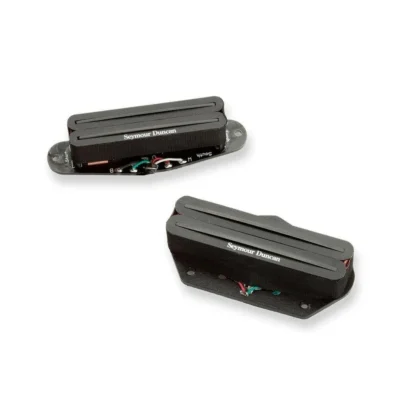 SKU: 11208-03
Seymour Duncan STHR-1 Hot Rails Tele Guitar Pickup Set – Black
$569.00In Stock -
17% OFF
RRP $420.00
Save $71.00
Sale!
 SKU: 44721
Schaller Hannes6 6-string Guitar Bridge Chrome Hannes 12010200 / 44721
Original price was: $420.00.$349.00Current price is: $349.00.In Stock -
35% OFF
RRP $3,399.00
Save $1,200.00
Sale!
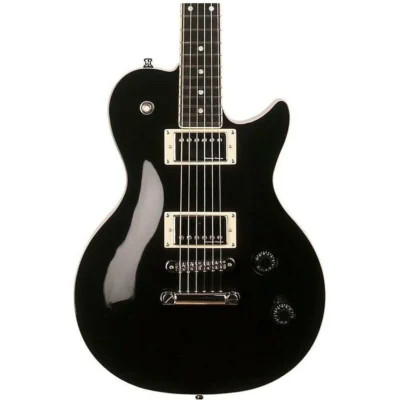 SKU: 041640
GODIN SUMMIT CLASSIC (CT) HB Black with Gig bag Seymour Duncan Humbuckers
Original price was: $3,399.00.$2,199.00Current price is: $2,199.00.Out of stock -
 SKU: 11103-13-B
Seymour Duncan TB-4 JB Model Trembucker Bridge Humbucker Black Pickup 11103-13-B
$269.00In Stock -
17% OFF
RRP $359.00
Save $60.00
Sale!
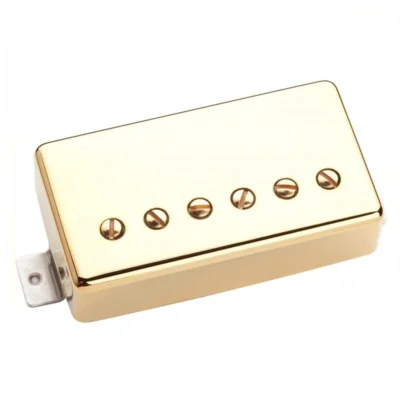 SKU: 11102-21-Gc
Seymour Duncan SH-6b Distortion Humbucker Gold Cover Bridge Pickup 11102-21-GC
Original price was: $359.00.$299.00Current price is: $299.00.In Stock