
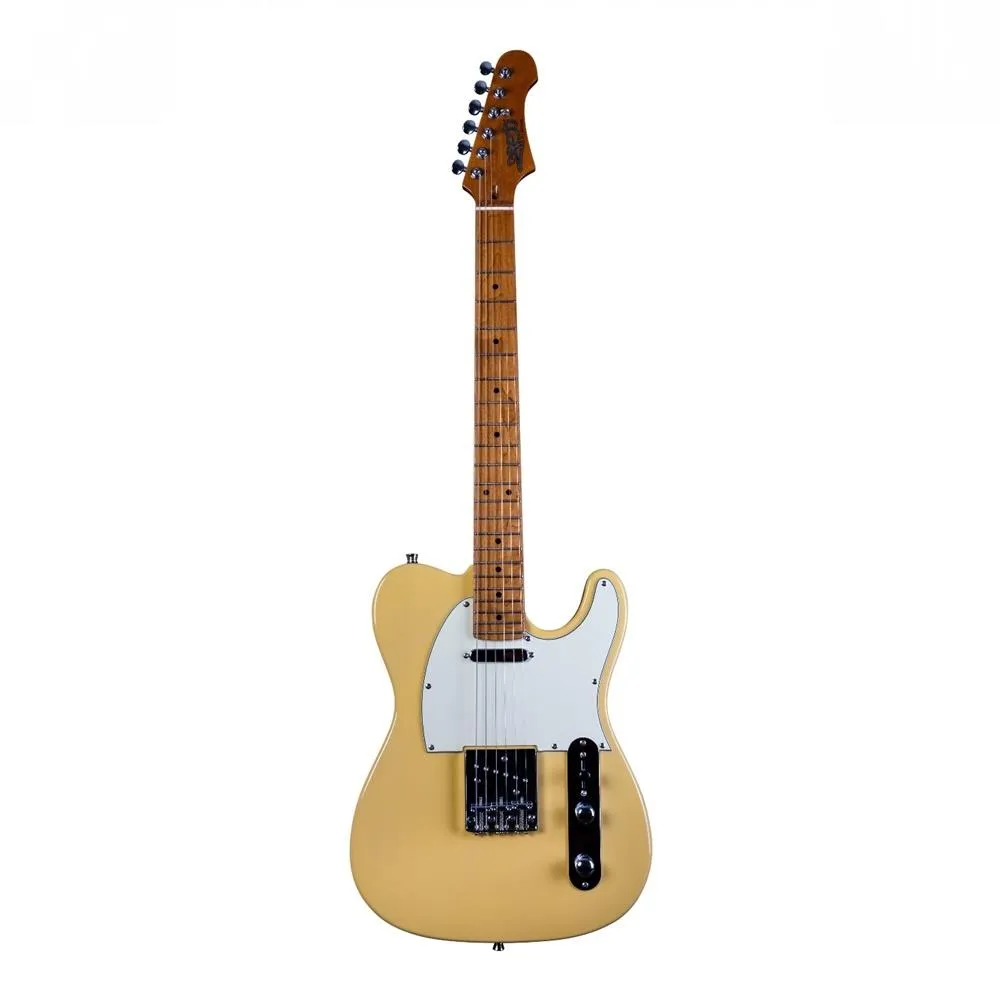
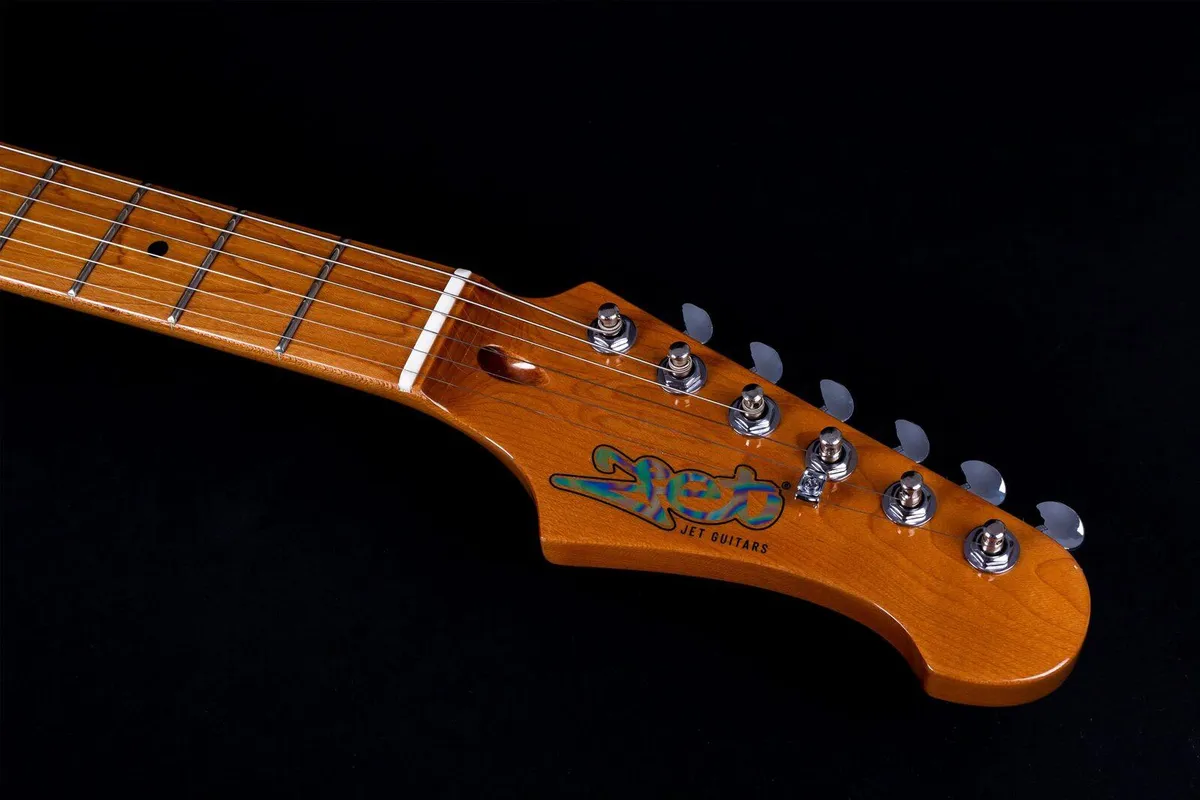
Jet JT-300 Electric Guitar Butterscotch – Roasted Maple Neck
★★★★★ 4.9 Stars — Over 1,500 Google Reviews
Original price was: $499.00.$399.00Current price is: $399.00.
FAST
Delivery
EASY
Returns
IN HOUSE
Repairs



Check AU Shipping Cost
Pick-up from store - FREE
Free pickup from our Melbourne Store at 4 Drake Boulevard, Altona VIC 3018. Your order will typically be ready by the next business day. We recommend calling us on (03) 8360 7799 beforehand to check it's ready for collection.
International Shipping
Please proceed to checkout to see international rates and avalability.
JET JT-300 Electric Guitar — Butterscotch
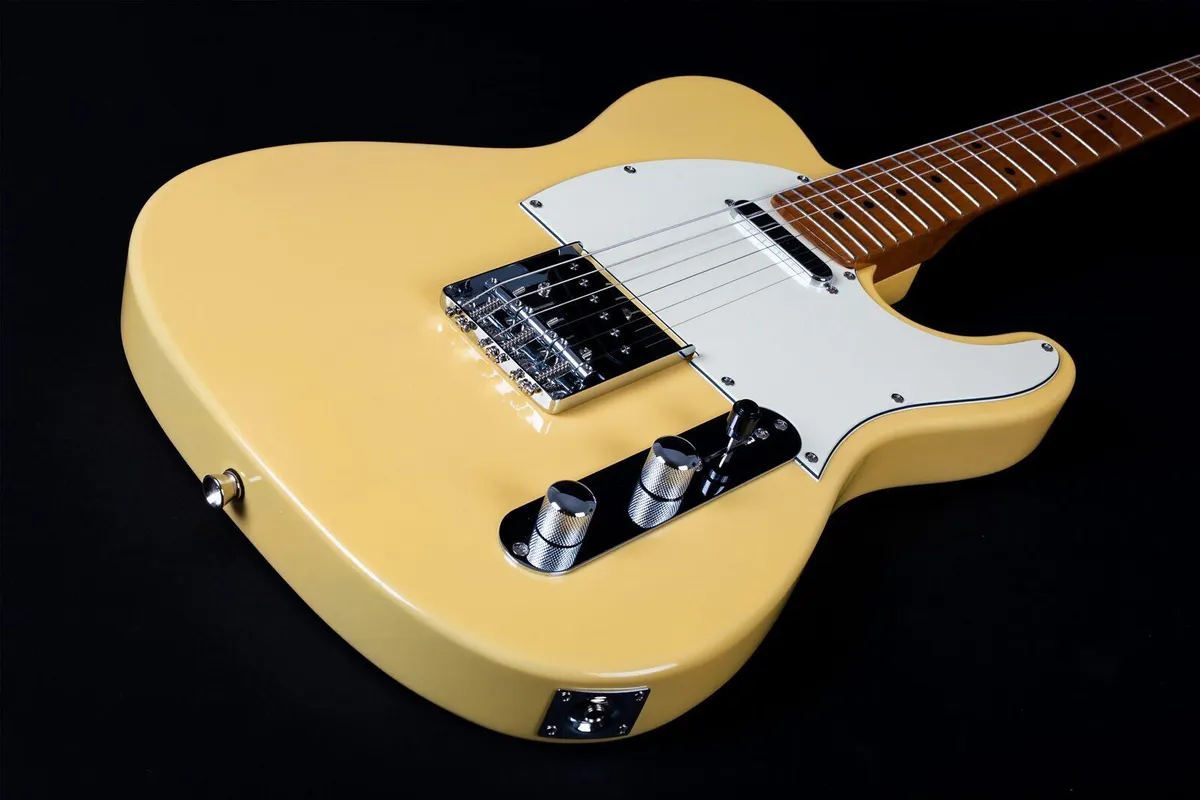
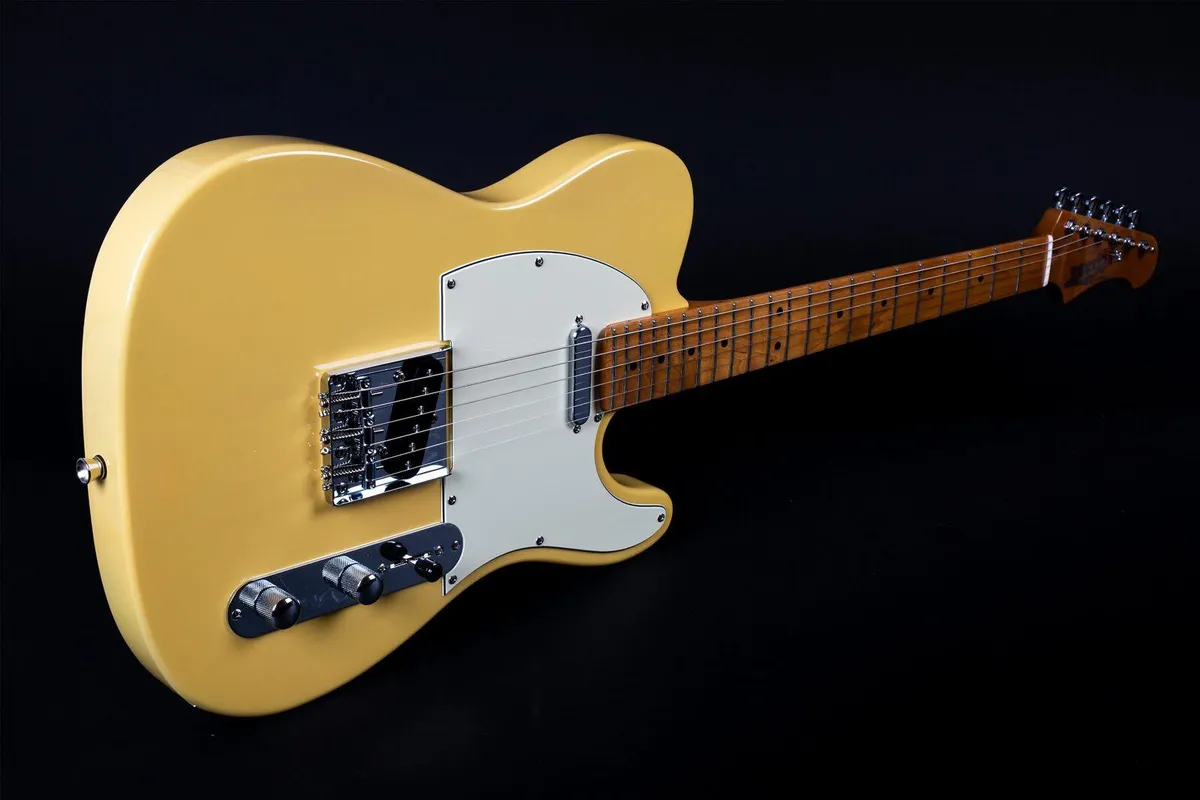
The JET JT-300 (SKU: JT-300-BTS) is a Telecaster-influenced electric guitar that brings a roasted maple neck, bone nut, and a thoroughly playable 25.5-inch scale platform to an accessible price point. Built on a basswood body finished in Butterscotch — one of the most recognisable colours in electric guitar history — the JT-300 is aimed at players of all levels who want a quality single-coil guitar without compromise in the places it matters most: the neck, the nut, and the setup. JET Guitars is a newer brand built around the premise that premium playing experience does not have to mean premium pricing.
Angkor Music — What Makes the JT-300 Stand Out at Its Price
At the price point the JT-300 occupies, the standard specification is a synthetic plastic nut and an untreated maple neck. JET have chosen to include a bone nut and a roasted maple neck — two specifications that are associated with more expensive instruments — and the difference is tangible when you pick the guitar up and play it. The bone nut gives better string seating and improved tuning stability compared to plastic; the roasted maple neck is dimensionally more stable, feels slightly different under the hand due to its open-grain surface, and has a distinctive caramelised appearance that suits the Butterscotch finish. The 9.5-inch radius and Modern C neck shape are comfortable for a wide range of hand sizes and playing styles. At Angkor Music we are happy to discuss how the JT-300 compares to other single-coil guitars in the same range — come in and play it.
Butterscotch — A Colour With History
Butterscotch is not just a colour choice. It is a reference to the original finish used on Leo Fender's first commercially available solid-body electric guitar — the 1950 Broadcaster, which became the Telecaster in 1951. The original butterscotch blonde finish was an ash-tinted lacquer that varied between instruments, ranging from a pale cream yellow to a deeper golden tan depending on the batch and the underlying wood grain. It became one of the defining visual signatures of the Telecaster across the 1950s and has been consistently associated with country, rock and roll, and blues guitar ever since.
On the JET JT-300, the Butterscotch finish is paired with a roasted maple neck and chrome hardware — a combination that directly references the classic Tele aesthetic. It is a visually cohesive instrument.
Basswood Body
The JT-300's body is basswood — a lightweight, fine-grained tonewood that has been used in quality electric guitar production for decades. Basswood has a balanced, even frequency response across the full range: it does not emphasise lows at the expense of highs or vice versa. Its tonal character is neutral and musical, with a focused midrange that suits single-coil pickups well. Fender Japan used basswood bodies on a significant portion of their Japanese-market instruments in the 1980s and 1990s; Ibanez has used it extensively in their high-performance guitar range. For a production guitar, it is a sensible choice — consistent, easy to work with, and tonally appropriate for this type of instrument.
The Butterscotch finish is applied in gloss over the basswood body. Gloss finishes are more visually striking and easier to keep clean; they do not change the tonal character of a production guitar in a meaningful way at this level.
Roasted Maple Neck and Fretboard
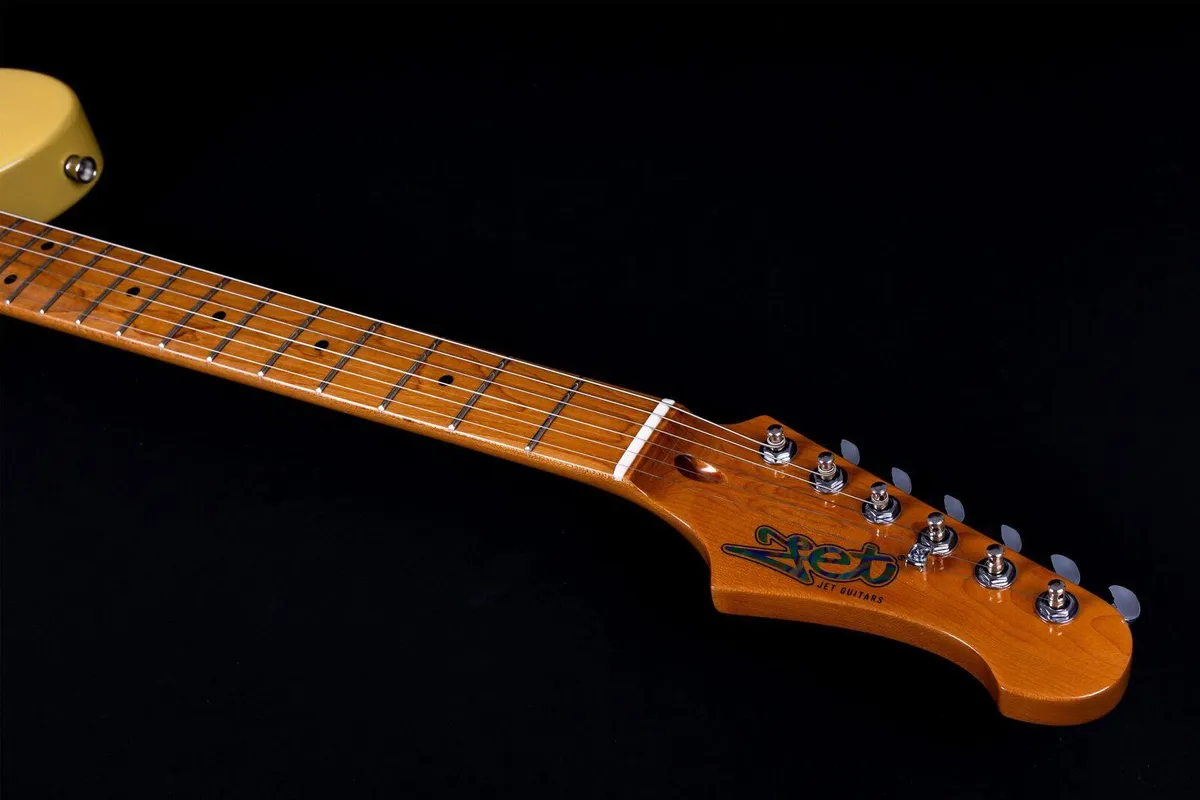
The roasted maple neck is one of the JT-300's most distinctive specifications. Roasted maple — also called torrefied or heat-treated maple — is produced by heating the wood to high temperatures in a low-oxygen environment, a process called pyrolysis. This drives off moisture and volatile organic compounds that are retained in untreated wood, producing a series of changes in the material.
Dimensionally, roasted maple is more stable than untreated maple. Wood expands and contracts as it absorbs and releases atmospheric moisture; a roasted neck, having had most of its moisture-absorbing capacity reduced, moves less with seasonal humidity changes. In practice this means the neck is less likely to develop seasonal changes in relief or require adjustment as frequently over the life of the instrument.
The roasted maple fretboard plays with a slightly open, unfinished surface feel — similar to an oiled neck rather than a glossy finished one — because the heat treatment changes the wood's surface character. Many players find this more comfortable and faster under the fingers than a gloss-finished maple fretboard. Visually, roasting darkens the maple from its natural pale colour to a warm caramel-to-amber brown that suits the Butterscotch finish of the JT-300 particularly well.
The neck profile is a Modern C shape — a shallow, oval cross-section that is comfortable for most hand sizes and playing styles, neither as thick as a vintage-spec U profile nor as flat as an ultra-thin profile designed for fast shredding. The 9.5-inch fingerboard radius is Fender's traditional standard: flatter than vintage 7.25-inch radii (which can cause string fretting out on wide bends) but with enough curve to feel natural under the fretting hand when playing chords.
Bone Nut
The nut at the headstock end of the neck is one of the most important components in a guitar's tuning stability and open-string tone — and one of the most frequently cheapened in production instruments. The JT-300 includes a bone nut rather than the plastic or synthetic polymer nuts commonly found at this price.
Bone is a dense, hard material that seats strings precisely and consistently. Its surface hardness means strings can slide through the nut slot cleanly when tuning — reducing the tendency for strings to bind in the slot and then spring loose during playing, which is a common cause of tuning instability on guitars with softer nut materials. Bone also transmits string vibration to the neck and body more effectively than softer materials, which can contribute a small but real improvement to sustain and tone on the open strings compared to a plastic nut.
A bone nut is a specification more typically associated with mid-to-upper tier guitars. Its inclusion on the JT-300 at this price represents a tangible value in a component that directly affects how the guitar plays and holds tune.
Ceramic SS Pickups and Controls
The JT-300 is equipped with two ceramic single-coil pickups in the neck and bridge positions — a configuration that places it firmly in the single-coil electric guitar tradition. The 3-way switch selects between bridge, bridge and neck (both pickups together), and neck positions.
Ceramic single-coil pickups use ceramic magnets rather than the Alnico magnets used in vintage Telecaster designs. The tonal character of ceramic magnets is more forward and assertive compared to Alnico — with a brighter top end, more pronounced attack, and a slightly harder edge to the sound. Classic Telecaster tone — the country twang, the blues snap, the clean jangle of the original Fender designs — was produced with Alnico pickups, which have a more dynamic, softer-edged response that cleans up more readily when the amplifier volume is reduced. The JT-300's ceramic pickups will produce a similar tonal territory but with more output and a more aggressive edge, which suits players who want the Tele-style format with a more modern, versatile sound.
The control layout is one Volume and one Tone, with the 3-way switch — a clean, intuitive setup that keeps everything within easy reach.
Fixed Bridge and Hardware
The JT-300 uses a fixed bridge — no tremolo system. For players who primarily play rhythm guitar, need stable tuning under heavy pick attack, or prefer a guitar without the setup complexity of a floating tremolo, a fixed bridge is the straightforward, reliable choice. Fixed bridges also tend to produce better sustain than floating tremolo designs because there is no break in the contact between string and body; the saddle-to-body connection is direct and solid.
The hardware throughout is chrome — tuners, bridge saddles, and control hardware — which pairs cleanly with the Butterscotch finish. The double-action truss rod allows the neck to be adjusted in both directions: forward bow (relief) can be added or reduced, and back-bow can be corrected. A double-action truss rod gives the guitar more flexibility in response to setup adjustments than a single-action rod, which can only add relief.
25.5-Inch Scale
The 25.5-inch scale length is the Fender standard — the scale on which the original Telecaster, Stratocaster, and most Fender-style guitars are built. A longer scale means higher string tension at pitch compared to shorter scales like the Gibson 24.75-inch standard. In practice, 25.5-inch strings feel firmer and more resistant under the pick and fingers. The tonal result is a brighter, more articulate sound with a clear, defined attack on each note — particularly noticeable in the treble strings, where the extra tension keeps the string responding cleanly rather than going soft and thick. For single-coil guitar playing, this scale character is a natural match.
Who Is the JET JT-300 For?
The JT-300 is for players who want a Telecaster-style guitar with genuine quality in the critical components — neck and nut — at an accessible price. The roasted maple neck and bone nut specifications place it above most competitors at this level. The Butterscotch finish is for players who are drawn to the classic Tele aesthetic: country, country rock, indie, blues, and rock and roll. The ceramic single-coil pickups make it slightly more versatile and modern-sounding than a vintage-spec Alnico instrument, which suits players who want Tele format with a broader tonal range. It is a capable beginner and intermediate guitar that does not compromise where it matters most.
Specifications
| SKU | JT-300-BTS |
| Brand / Model | JET JT-300 |
| Colour | Butterscotch |
| Body | Basswood |
| Neck | Canadian Roasted Maple — Modern C profile |
| Fingerboard | Roasted Maple |
| Fingerboard Radius | 9.5" |
| Scale Length | 25.5" |
| Frets | 22 |
| Nut Width | 1.65" |
| Nut Material | Bone |
| Truss Rod | Double-action |
| Pickups | SS Ceramic — neck and bridge single-coils |
| Bridge | Fixed |
| Controls | 1 x Volume, 1 x Tone, 3-way toggle switch |
| Hardware | Chrome |
Expert Advice at Angkor Music
At Angkor Music Melbourne we stock JET Guitars including the JT-300 range. If you want to compare the Butterscotch to other finishes and configurations in the JT-300 range, discuss how JET's specs compare to other single-coil guitars at this price, or get advice on strings, setup, and amplifiers to pair with the JT-300, our team can help.
★★★★★
4.9 Stars — Read Our 1,600+ Google Reviews →
Frequently Asked Questions
What is roasted maple and why does it matter on a guitar neck?
Roasted maple (also called torrefied maple) is maple that has been heat-treated in a controlled, low-oxygen environment. The process removes residual moisture and changes the wood's cellular structure, making it significantly more stable against humidity-driven movement than untreated maple. In practical terms, a roasted maple neck is less likely to shift in relief with seasonal changes — fewer adjustments, more consistent playability year-round. Visually, roasting darkens the maple from its natural pale colour to a warm amber-to-caramel brown. The surface feel is also slightly different: roasted maple has a more open, matte texture compared to a gloss-finished maple neck, which many players find faster and more comfortable under the fretting hand.
How does the JT-300's ceramic pickup sound compare to a traditional Telecaster tone?
Classic Telecaster tone — as heard on country recordings from the 1950s through to the present, and across rock, blues, and indie — was produced with Alnico magnet single-coil pickups. Alnico pickups have a more dynamic, softer-edged response that cleans up well at lower amplifier volumes and has a distinctive chime and warmth. The JT-300's ceramic single-coil pickups produce a similar tonal territory — single-coil clarity, brightness, and attack — with a more forward, assertive character and slightly higher output. Ceramic pickups tend toward more presence and edge, which suits modern playing contexts and higher-gain settings. If you are specifically seeking vintage Alnico Telecaster tone, the JT-300 will get you in the neighbourhood but with a more modern flavour.
Does the JT-300 Butterscotch come with a rosewood or roasted maple fretboard?
The JT-300 Butterscotch (JT-300-BTS) features a roasted maple fretboard — matching the neck material and complementing the Butterscotch finish with its warm amber appearance. Other finishes in the JT-300 range may be configured with rosewood fretboards; the Butterscotch version is the roasted maple configuration. If you want to confirm the specific fretboard material before purchase, please contact us at Angkor Music and we will check the current stock configuration.
Is the JT-300 suitable for a complete beginner?
Yes. The Modern C neck profile, 9.5-inch radius, and 25.5-inch scale make the JT-300 comfortable for most hand sizes and playing levels, including complete beginners. The bone nut and properly set-up fixed bridge mean tuning stability is good out of the box. The single-coil pickup format suits players interested in country, blues, rock, and indie — if you are drawn to heavier, high-gain tones, a humbucker-equipped guitar may be more appropriate for your style. At Angkor Music we set up every guitar before it leaves the store, so the JT-300 you receive will be properly adjusted and ready to play.
What amplifier suits the JT-300?
The JT-300's ceramic single-coil pickups work well with clean and edge-of-breakup amplifier tones — this is where single-coil guitars sound most characteristic. A small valve (tube) amp or a quality solid-state clean amp will bring out the best in the JT-300's pickup character: bright, articulate, and responsive to picking dynamics. For country, blues, or indie playing, this is the natural pairing. The ceramic pickups handle overdrive and moderate gain well; for high-gain metal tones, a guitar with humbucker pickups is generally the better starting point.
Additional information
| Weight | 6.00 kg |
|---|---|
| Type | Electric Guitar |
Related Items & Accessories
Related products
-
35% OFF
RRP $3,399.00
Save $1,200.00
Sale!
 SKU: 041640
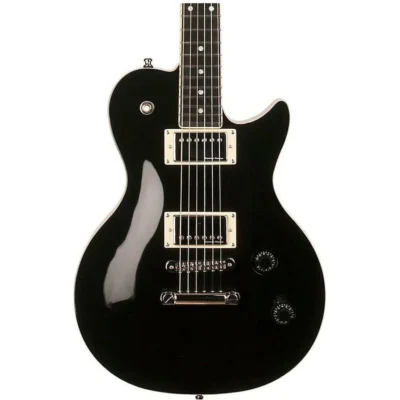
GODIN SUMMIT CLASSIC (CT) HB Black with Gig bag Seymour Duncan Humbuckers
Original price was: $3,399.00.$2,199.00Current price is: $2,199.00.Out of stock -
10% OFF
RRP $749.00
Save $74.00
 SKU: 11108-49-NC
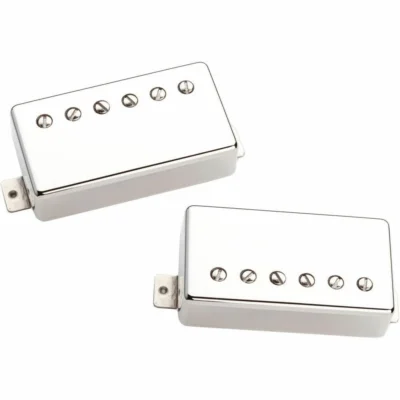
Seymour Duncan Pearly Gates Humbucker Pickup Set – Nickel Bridge/Neck set
Original price was: $749.00.$675.00Current price is: $675.00.Out of stock -
36% OFF
RRP $4,199.00
Save $1,500.00
Sale!
 SKU: 036745
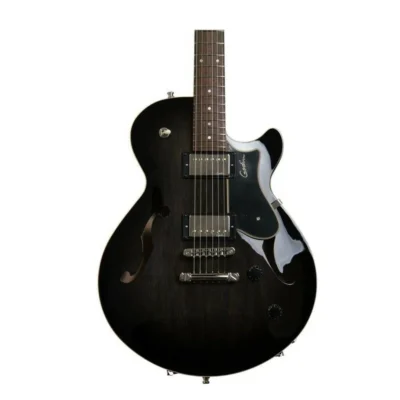
GODIN Montreal Premiere HG – Trans Black Semi Hollow Electric Guitar
Original price was: $4,199.00.$2,699.00Current price is: $2,699.00.In Stock -
56% OFF
RRP $7,999.00
Save $4,500.00
Sale!
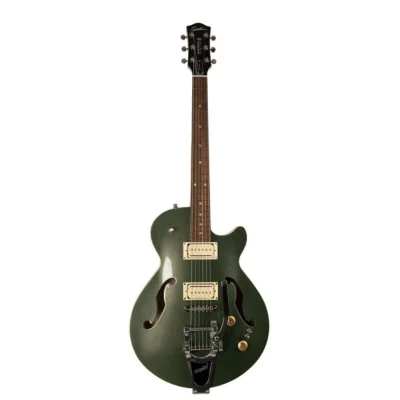 SKU: 04135
Godin Montreal Premiere Limited Desert Green w/Bigsby Archtop Electric Guitar
Original price was: $7,999.00.$3,499.00Current price is: $3,499.00.Out of stock -
16% OFF
RRP $269.00
Save $44.00
Sale!
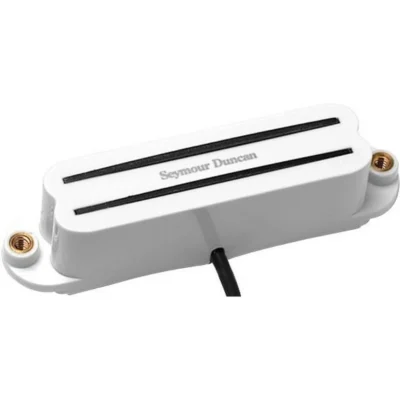 SKU: 11205-02-W
Seymour Duncan SHR-1b Bridge Hot Rails for Strat Guitar Pickup White 11205-02-W
Original price was: $269.00.$225.00Current price is: $225.00.In Stock