
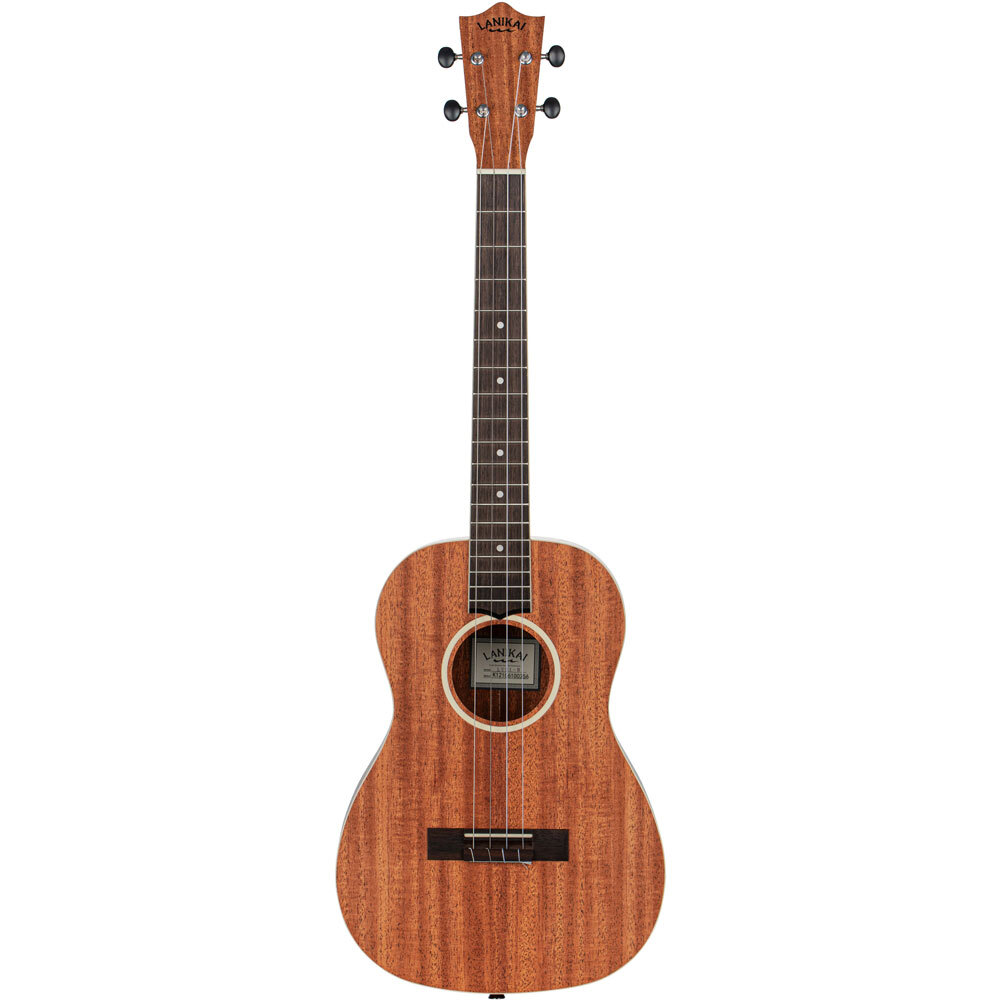
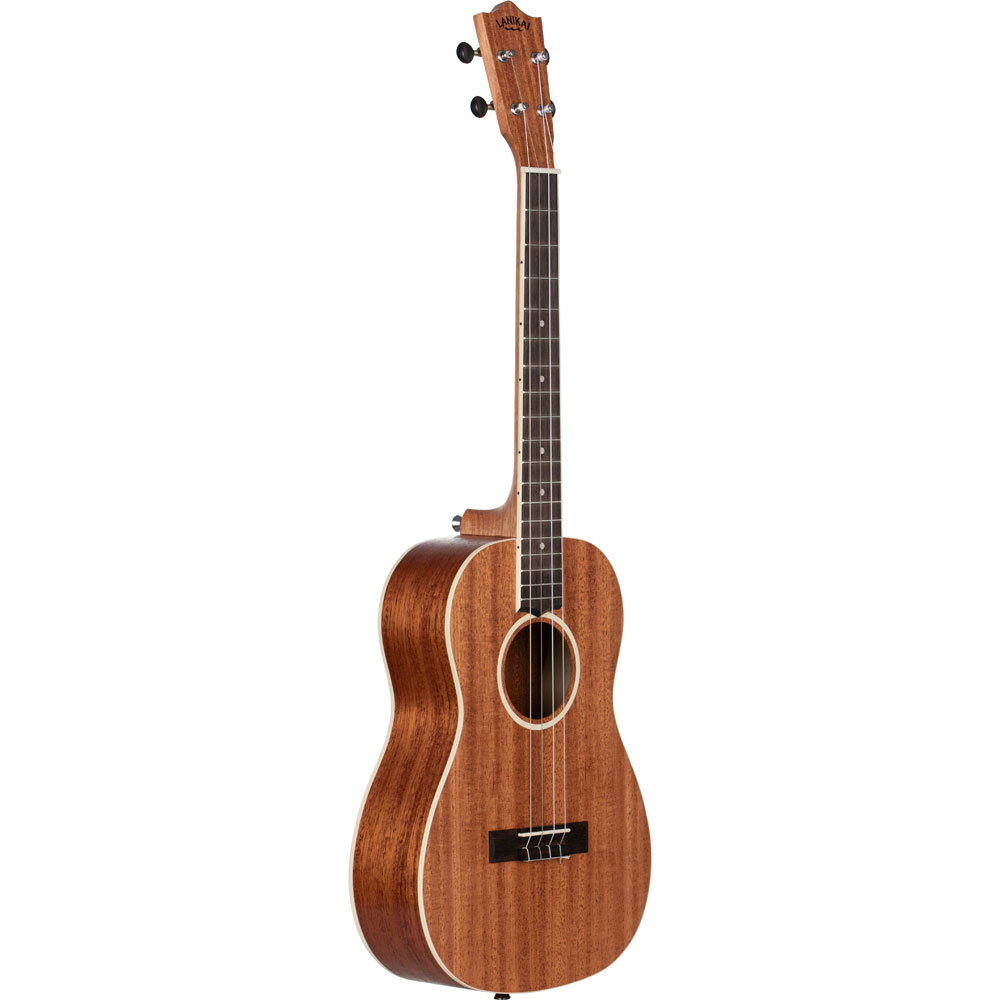
Lanikai LU21 Series Baritone Ukulele in Natural Satin Finish with Lanikai Standard Gig Bag
★★★★★ 4.9 Stars — Over 1,500 Google Reviews
Original price was: $245.00.$209.00Current price is: $209.00.
FAST
Delivery
EASY
Returns
IN HOUSE
Repairs



Pick-up from store - FREE
Free pickup from our Melbourne Store at 4 Drake Boulevard, Altona VIC 3018. Your order will typically be ready by the next business day. We recommend calling us on (03) 8360 7799 beforehand to check it's ready for collection.
International Shipping
Please proceed to checkout to see international rates and avalability.
Lanikai LU21B — Baritone Ukulele, Okoume Satin, DGBE Tuning (LU21B)
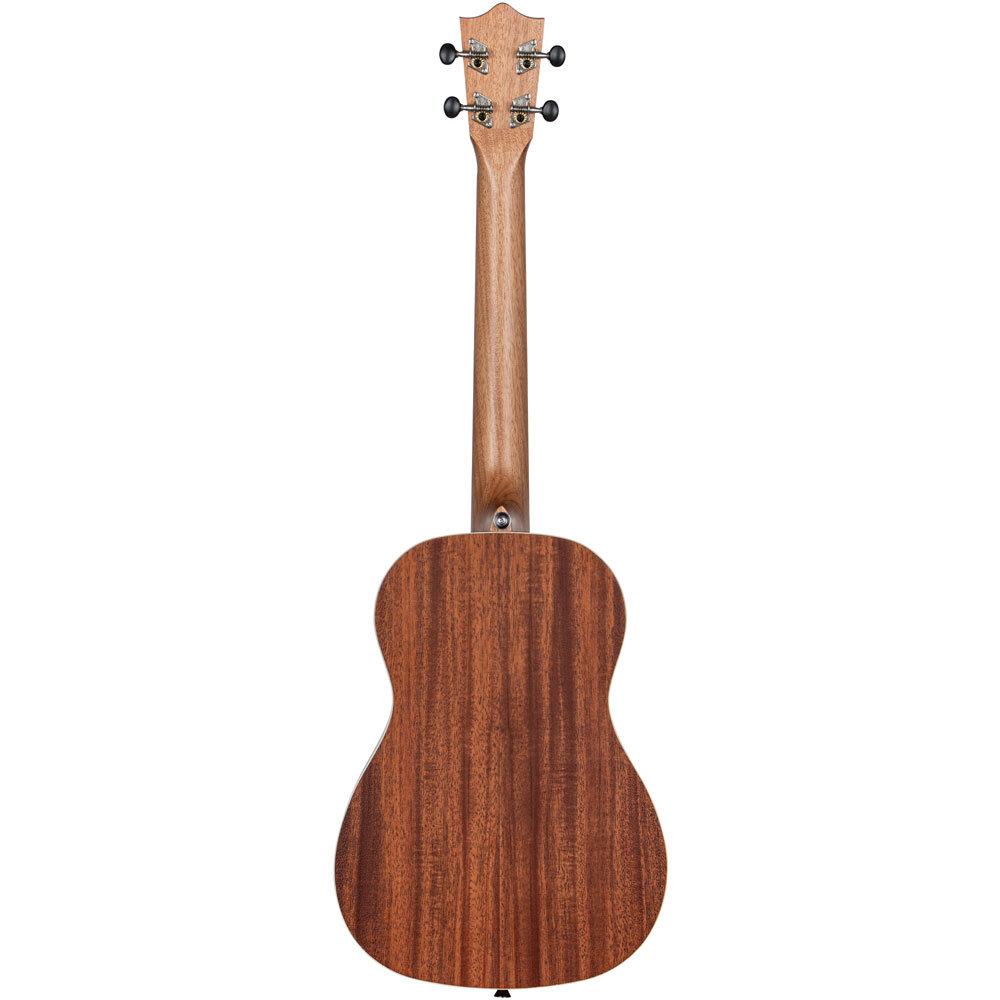
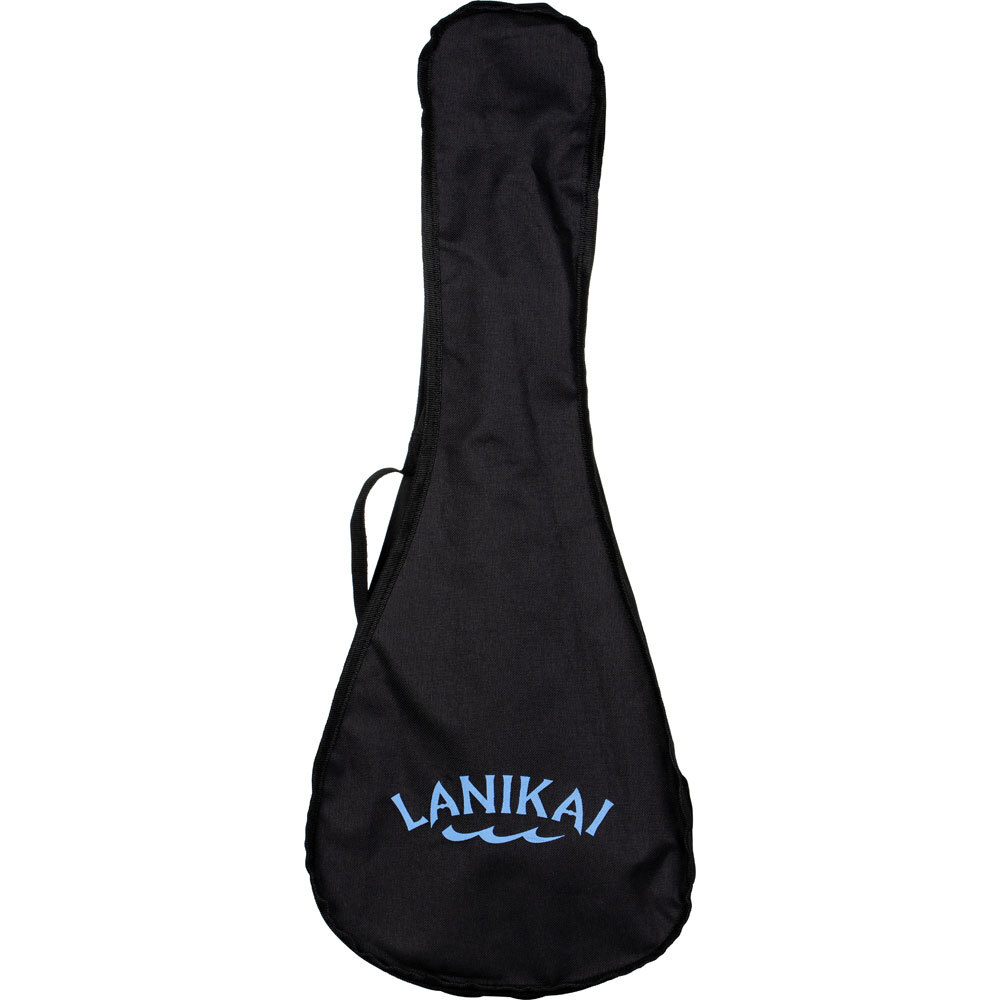
The Lanikai LU21B is a baritone ukulele in the LU Series — and a fundamentally different instrument from the soprano, concert and tenor models in the same range. The baritone ukulele is tuned to DGBE — the same pitches as the top four strings of a guitar — rather than the standard GCEA tuning used by all other ukulele sizes. This single distinction changes everything about the instrument: guitar players can use their existing chord shapes immediately with no relearning, the tonal character is deeper and more guitar-like, and the instrument occupies a different musical role from the classic ukulele sound. Okoume laminate body in satin natural finish, NuBone XB nut and saddle with 38.8mm nut width, walnut fretboard and bridge with ABS white binding, open back chrome tuners, 8-hole no-tie bridge, Aquila baritone strings, two chrome strap buttons and a Lanikai gig bag. Made for guitar players who want a smaller, lighter instrument that plays exactly like what they already know.
Angkor Music — DGBE Tuning Explained: Why the Baritone Is a Different Instrument From Every Other Ukulele
The most important thing to understand before buying a baritone ukulele is that it is tuned differently from every other ukulele size — and this difference is fundamental, not cosmetic. Standard ukulele tuning (GCEA) is used on soprano, concert and tenor instruments. It is a re-entrant tuning where the G string (the fourth string, physically lowest) is actually higher in pitch than the C string above it — producing the characteristic bright, jangly ukulele sound and requiring its own chord shapes, chord books and tab notation. The baritone ukulele is tuned DGBE — reading from the fourth string to the first: D, G, B, E. This is exactly the same as the top four strings of a standard guitar. The tuning is not re-entrant — it moves from low to high in a linear sequence, exactly like a guitar. The practical consequence is significant: every guitar chord shape, every guitar chord book and every guitar tab for the four highest strings transfers directly to the baritone ukulele with no modification. A C chord on guitar is a C chord on baritone ukulele. An Am is an Am. Players who already know guitar can pick up a baritone ukulele and play immediately. The other side of this is equally important: the baritone does not sound like a traditional ukulele. It does not produce the bright, high, jangly character associated with soprano, concert and tenor instruments. It sounds more like a small guitar — deeper, warmer, more guitar-like. Players who want the classic ukulele sound should choose the tenor (LU21T), concert (LU21C) or soprano (LU21S). Players who want a smaller, lighter, more portable instrument that plays exactly like a guitar and sounds like a small classical or fingerpicking guitar should choose the baritone. These are genuinely different instruments serving different musical needs — the right choice depends on what you want to sound like. We stock all four LU Series sizes at Angkor Music.
Baritone vs Tenor vs Concert vs Soprano — Four Different Instruments
| Size | SKU | Tuning | Character | Best For |
|---|---|---|---|---|
| Soprano | LU21S | GCEA (re-entrant) | Bright, compact, classic Hawaiian | Traditional ukulele tone, portability |
| Concert | LU21C | GCEA (re-entrant) | Fuller, more volume than soprano | Adults, versatile players |
| Tenor | LU21T | GCEA (re-entrant) | Most volume, deepest of GCEA sizes | Guitar players wanting ukulele sound |
| Baritone (this instrument) | LU21B | DGBE — same as top 4 guitar strings | Deep, warm, guitar-like — not traditional ukulele | Guitar players wanting a smaller guitar-feel instrument |
DGBE Tuning — What Guitar Players Get Immediately
The DGBE tuning of the baritone means that any guitarist picking it up for the first time already knows how to play it. Specifically:
- All guitar chord shapes transfer directly: Every open chord, barre chord and voicing from guitar translates to the baritone ukulele without modification. C major, G major, Am, Em, D — all the same shapes, all the same chord names
- Guitar chord books and apps work: Any resource that shows guitar chord diagrams for the top four strings applies directly to the baritone
- Melody and lead playing transfers: Scale patterns, licks and lead lines from guitar are the same on the baritone — the interval relationships between strings are identical
- No relearning required: Unlike the tenor, concert or soprano — which require guitar players to learn entirely new chord shapes — the baritone is genuinely play-from-day-one for any guitarist
What does not transfer from standard ukulele:
- GCEA chord books and ukulele-specific tabs are in a different tuning and will not produce the correct chords on a baritone
- The classic ukulele strumming patterns and re-entrant voicings that give ukulele music its characteristic bright, jangly character are not available on DGBE tuning
Tonal Character — Small Guitar, Not Classic Ukulele
The baritone's DGBE tuning and longer scale produce a tonal character that is closer to a small classical or parlour guitar than to a traditional ukulele. The notes are lower in pitch, the tone is warmer and more rounded, and the characteristic bright high jangle of GCEA re-entrant tuning is absent. This is not a flaw — it is the instrument's design. Players who enjoy fingerpicking, folk guitar, classical guitar technique or singer-songwriter style playing will find the baritone an ideal compact alternative to a full-size guitar. Players who specifically want to sound like a ukulele should choose soprano, concert or tenor.
38.8mm Nut Width — Widest in the LU Series
The baritone's 38.8mm nut width is the widest of the four LU Series sizes, appropriate for the larger scale and the wider string spacing that DGBE tuning benefits from. Guitar players used to a standard acoustic guitar nut of 42-44mm will find the baritone's 38.8mm more familiar than any other ukulele size — the string spacing feels close to guitar rather than the narrow spacing of smaller ukulele sizes.
NuBone XB, Okoume Laminate and LU Series Construction
The LU21B shares all core construction features with the rest of the LU Series:
NuBone XB nut and saddle — Graphtech's resonance-engineered synthetic material producing better sustain and tonal clarity than standard plastic. The XB (Extended Bass) formulation is particularly appropriate on a baritone where the lower frequency range benefits most from efficient vibration transmission.
Okoume laminate body — Warm tonal character in a climate-stable laminate construction. The baritone body is larger than the tenor, producing more resonant volume from the okoume laminate's warm character.
Walnut fretboard and bridge — 8-hole no-tie bridge for easy string changes. Hidden scarf joint for consistent headstock angle and improved sustain.
Aquila baritone strings — Aquila's baritone-specific strings are wound for the correct tension and tonal response at DGBE tuning on the longer baritone scale. Standard ukulele strings are the wrong length and tension for baritone use.
Two chrome strap buttons standard — Installed from the factory.
Who Is the Lanikai LU21B For?
- Guitar players who want a smaller, lighter, more portable instrument that plays exactly like a guitar and requires no relearning of chord shapes
- Travelling musicians who want something more compact than a full-size guitar without giving up guitar technique
- Fingerpickers and singer-songwriters who want a small guitar-like instrument for practice, writing or intimate performance
- Players who want the deepest, warmest tone in the LU Series with a guitar-like character
- Players who want the classic bright ukulele sound should choose LU21S, LU21C or LU21T — the baritone does not produce GCEA ukulele character
- Players who want to play from standard ukulele chord books and tabs should choose a GCEA-tuned size — baritone chord books are guitar chord books
Specifications
| SKU | LU21B |
| Brand | Lanikai |
| Series | LU Series |
| Size | Baritone |
| Tuning | DGBE — same as top 4 strings of guitar |
| Body Wood | Okoume laminate |
| Finish | Satin Natural |
| Body Binding | Single ply ABS white |
| Fretboard | Walnut |
| Fretboard Binding | Single ply ABS white |
| Position Inlays | 5mm dot |
| Nut and Saddle | NuBone XB |
| Nut Width | 38.8mm |
| Bridge | Walnut — 8-hole no-tie |
| Tuners | Open back chrome with black buttons |
| Strings | Aquila baritone strings |
| Strap Buttons | 2 x chrome — standard |
| Electronics | None |
| Included | Lanikai standard gig bag |
| GCEA Alternatives | LU21S (soprano) / LU21C (concert) / LU21T (tenor) |
Expert Advice at Angkor Music
At Angkor Music Melbourne we stock the full Lanikai LU Series — soprano, concert, tenor and baritone. If you are deciding between the baritone and a GCEA-tuned size, the most useful question is: do you want to sound like a ukulele, or do you want a small guitar? Contact us or visit us in Altona if you want to play both before deciding.
★★★★★ 4.9 Stars — Read Our 1,600+ Google Reviews →
Frequently Asked Questions
The baritone is tuned DGBE — does that mean I can use guitar chord shapes?
Yes — exactly. DGBE matches the top four strings of a standard guitar (strings 4, 3, 2, 1 reading from lowest to highest pitch: D, G, B, E). Every guitar chord shape transfers directly to the baritone ukulele. C major, G major, Am, D — all the same finger positions, all the same chord names. Guitar players can pick up a baritone and play immediately without learning new chord shapes.
Will standard ukulele chord books work on the baritone?
No — standard ukulele chord books are written for GCEA tuning, which is different from the baritone's DGBE tuning. Using a GCEA chord diagram on a DGBE instrument will produce the wrong chords. For the baritone, use guitar chord books or baritone-specific ukulele resources. Guitar chord apps also work directly on baritone.
Does the baritone sound like a ukulele?
Not in the traditional sense. The baritone's DGBE tuning and longer scale produce a deeper, warmer, more guitar-like tone rather than the bright, high, jangly character of soprano, concert and tenor ukuleles. Players who want the classic ukulele sound should choose soprano (LU21S), concert (LU21C) or tenor (LU21T). Players who want a compact, guitar-like instrument that is more portable than a full-size guitar will find the baritone ideal.
Can I put GCEA strings on a baritone to make it sound like a standard ukulele?
This is not recommended. GCEA strings are too short for the baritone's longer scale and the tension at that tuning on a baritone scale will not produce the correct tone or intonation. The baritone is designed to be played in DGBE tuning with baritone-specific strings. Players who want GCEA tuning should choose a tenor, concert or soprano.
Do I need special strings for the baritone?
Yes — the LU21B ships with Aquila baritone strings, which are the correct length, gauge and tension for baritone DGBE tuning. When replacing strings, ensure you purchase baritone ukulele strings specifically — concert, tenor or soprano strings are the wrong length and tension.
Additional information
| Weight | 0.0000 kg |
|---|---|
| type | CONCERT |
| Size | Concert |
| Instrument | Ukulele |
| body style | Standard |
Related Items & Accessories
Related products
-
16% OFF
RRP $379.00
Save $60.00
Sale!
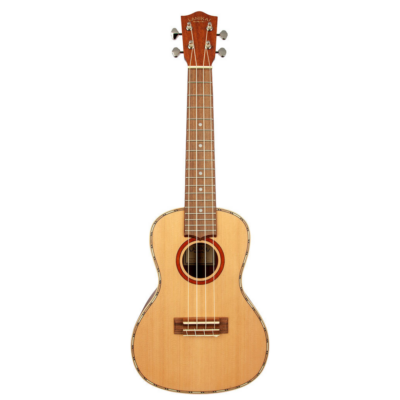 SKU: LCDSTC
Lanikai Cedar Series Concert Ukulele in Natural Satin Finish with Lanikai Deluxe Gig Bag
Original price was: $379.00.$319.00Current price is: $319.00.In Stock -
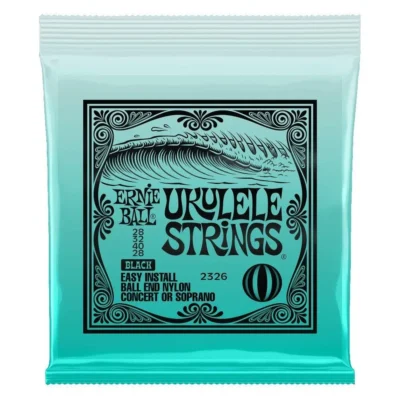 SKU: P02326
Ernie Ball Concert Nylon Ball End Ukulele Strings, Black 28, 32, 40, 28 Gauge
$22.00In Stock -
18% OFF
RRP $195.00
Save $36.00
Sale!
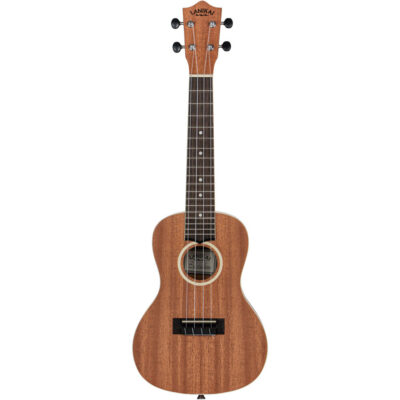 SKU: LU21C
Lanikai LU Series Concert Ukulele in Natural Satin Finish with Lanikai Standard Gig Bag
Original price was: $195.00.$159.00Current price is: $159.00.In Stock -
14% OFF
RRP $265.00
Save $36.00
Sale!
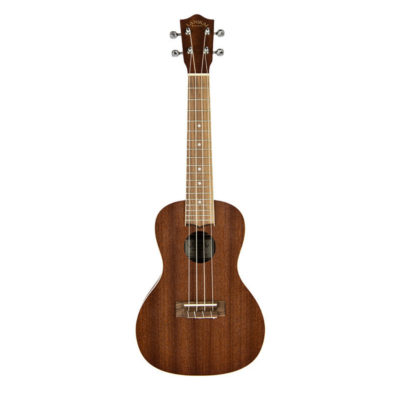 SKU: LMAC
Lanikai Mahogany Series Concert Ukulele in Natural Satin Finish with Lanikai Standard Gig Bag
Original price was: $265.00.$229.00Current price is: $229.00.In Stock -
Sale!
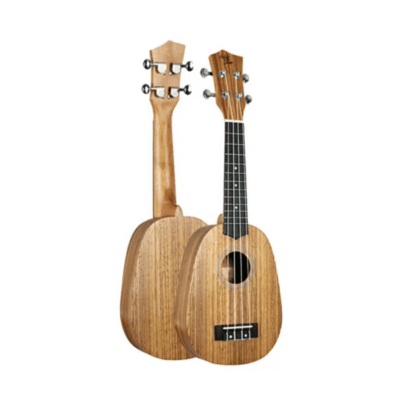 SKU: EF-pineapple
Eddy Finn Concert Uke – PINEAPPLE Concert Ukulele
Original price was: $179.00.$159.00Current price is: $159.00.In Stock