
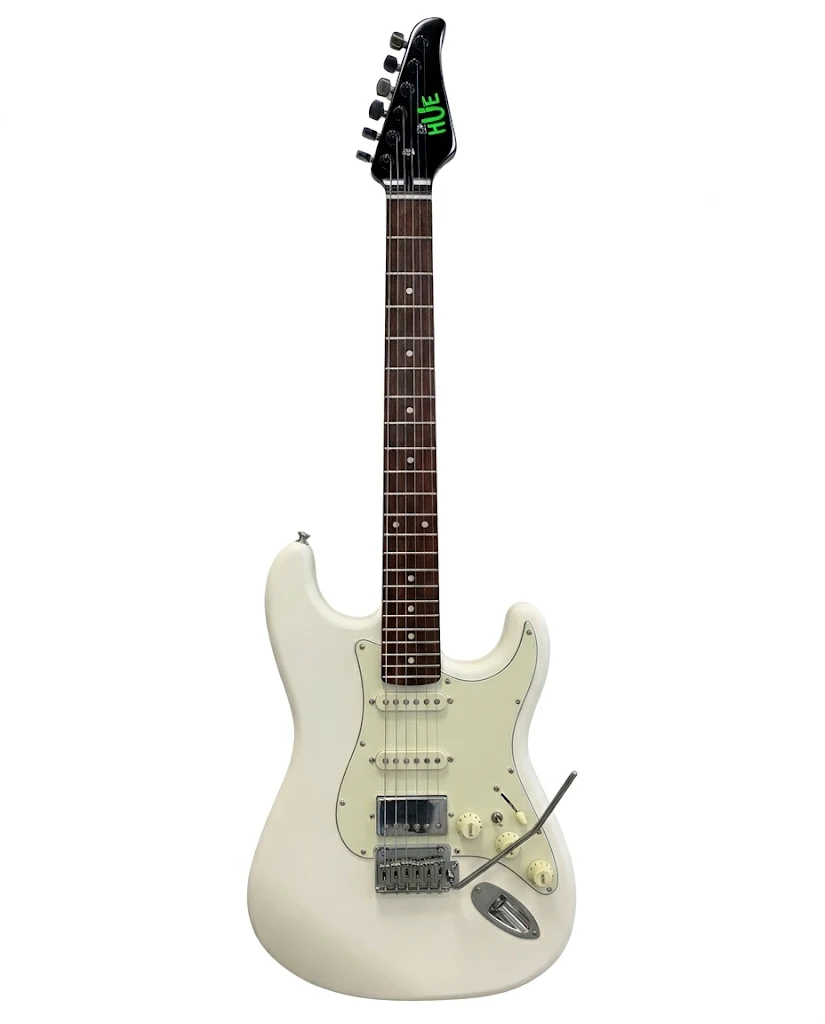


NVE Guitars “The Craven” Electric Guitar – Olympic White HSS | Locking Tuners
★★★★★ 4.9 Stars — Over 1,500 Google Reviews
$699.00
FAST
Delivery
EASY
Returns
IN HOUSE
Repairs



Check AU Shipping Cost
Pick-up from store - FREE
Free pickup from our Melbourne Store at 4 Drake Boulevard, Altona VIC 3018. Your order will typically be ready by the next business day. We recommend calling us on (03) 8360 7799 beforehand to check it's ready for collection.
International Shipping
Please proceed to checkout to see international rates and avalability.
NVE The Craven Electric Guitar — Olympic White
🎨 Important — Olympic White is Not Pure White
Olympic White is a vintage-spec finish with a distinctive character. Fresh from the factory, it is a solid off-white with very subtle cream or grayish-blue undertones — noticeably warmer and softer than Arctic White or pure bright white. It does not show wood grain through the finish.
The NVE The Craven (SKU: NVEST700-PI) is a Stratocaster-style electric guitar that packs a specification well above its price bracket: a roasted maple neck, rosewood fingerboard, large stainless steel frets, NuBone nut, locking tuners, and an SSH pickup configuration with coil split — features that are standard on guitars costing significantly more. The body is alder, the same tonewood used in classic Fender Stratocasters, and the pickup layout (two Alnico single coils at neck and middle, Alnico humbucker at bridge) covers clean Strat quack through to full humbucker drive in a single instrument. The coil split on the bridge humbucker extends the tonal range further still, delivering single-coil character in the bridge position for a fuller five-way palette. NVE Guitars are sold and set up at Angkor Music Melbourne — each instrument is checked for playability before it reaches the floor.
★ Expert Insight — Roasted Maple Neck and Stainless Steel Frets: Why These Two Features Matter Most
The two features that most separate The Craven from a standard entry-level guitar are the roasted maple neck and the stainless steel frets — and both are features that most guitars at this price point do not include. Roasted maple (also called carbonized or thermally treated maple) is regular maple that has been heat-treated in a kiln at high temperature to drive out moisture, sap, and organic compounds from the wood cells. The result is a neck that is significantly more dimensionally stable than untreated maple: it expands and contracts less with changes in humidity and temperature, which means it holds its set-up — string action, neck relief — far more consistently across seasons and environments. Players who have owned untreated maple-neck guitars in variable climates know the frustration of a neck that needs adjustment every few months; a roasted maple neck reduces this considerably. The appearance is a warm, caramel-brown rather than the pale cream of unfinished maple, and the feel is notably smoother and more satin-like under the hand.
Stainless steel frets are the second significant upgrade. Standard guitar frets are made from nickel-silver alloy — a relatively soft metal that wears down over time under string pressure and playing force. After years of regular playing, nickel-silver frets develop grooves and flat spots under each string, causing intonation problems, buzzing, and eventually requiring a fret level or full refret. Stainless steel is significantly harder — it wears at a fraction of the rate of nickel-silver, meaning the frets on a stainless steel guitar will outlast several sets of nickel-silver frets under equivalent playing conditions. The practical effect is a guitar that maintains its playing feel and playability for far longer without expensive maintenance. Stainless steel frets also have a smooth, slightly slick surface feel that many players prefer for fast playing and bends. Having both roasted maple and stainless steel on a guitar at this price point is genuinely unusual and accounts for a large part of The Craven's value proposition.
Alder Body — The Classic Stratocaster Tonewood
The Craven's body is alder — a lightweight, open-grained hardwood with a long history in electric guitar manufacturing. Alder is the primary body wood in classic Fender Stratocasters and Telecasters, chosen for its balanced tonal profile: a clear, present midrange, good upper-mid definition, and enough low-end body to give the instrument weight and fullness without heaviness. It is lighter than ash and mahogany, contributing to a comfortable playing weight over long gigs or rehearsals. Alder's balanced character makes it a versatile tonewood for different pickup types and playing styles — it neither over-warms the pickup response (as mahogany can) nor adds the extra treble brightness of ash. For an SSH guitar intended to cover clean Strat tones through to rock humbucker drive, alder is an appropriate and historically proven tonewood choice.
Canadian Roasted Maple Neck — Stability, Feel, and Longevity
The neck is Canadian maple that has undergone carbonization (roasting) — a heat treatment process that transforms the wood's cellular structure by driving out moisture and organic compounds at the molecular level. The practical results are a neck that holds its profile more consistently across varying humidity and temperature, a satin-smooth surface feel without the sticky sensation that can develop on glossy or unfinished regular maple, and a slightly warmer tonal character than untreated maple due to the structural changes in the wood cells. The C profile is the most common and widely comfortable neck shape in modern electric guitar playing — a rounded, symmetrical cross-section that fits a wide range of hand sizes without favouring any particular grip style. The neck is paired with a rosewood fingerboard, which adds warmth and smoothness to the feel and tone, complementing the inherent brightness of a maple neck.
The 305mm fingerboard radius (approximately 12") is a modern specification that sits between vintage Fender radii (7.25"–9.5") and fully flat contemporary radii (16"+). A 12" radius is flat enough to prevent the string choking on bends up the neck that players can experience on more curved vintage-spec fingerboards, while retaining enough curvature to feel natural and comfortable for chord playing in lower positions. The 22-fret neck provides one additional fret of upper range compared to the vintage 21-fret Stratocaster format.
Large Stainless Steel Frets — Play-for-Life Durability
The Craven uses large stainless steel frets — a specification that has real long-term value consequences for the owner. Standard guitar frets are nickel-silver, a soft alloy that wears measurably over years of regular playing. Under string pressure and repeated bending, nickel-silver frets develop wear grooves under each string, eventually compromising intonation and feel and requiring a fret level or complete refret. Stainless steel frets are approximately four times harder than nickel-silver by Rockwell hardness measurement: they resist wear to such a degree that a stainless steel fretted instrument maintained under normal playing conditions may never need a refret in the owner's lifetime. The initial installation cost of stainless steel frets is higher (they are harder to work with for fret technicians), which is why they are typically found on guitars costing significantly more than The Craven. For a player who keeps guitars for many years and plays regularly, the value of stainless steel frets compounds over time: no fret level, no refret cost, and consistent playing feel maintained across the instrument's life. The "large" profile provides good contact and stability for bending.
SSH Alnico Pickups with Coil Split — Full Tonal Range in One Guitar
The Craven's pickup configuration is SSH: two Alnico single-coil pickups at the neck and middle positions, and an Alnico humbucker at the bridge with individual coil splitting capability. This layout is one of the most versatile available on a single-pickup-selector guitar. The five-position switch provides the following combinations:
In standard (humbucker) mode: position 1 (bridge humbucker) for full, warm humbucker drive and rhythm playing; position 2 (bridge + middle) for a hum-cancelling combination; position 3 (middle single) for clean, clear Strat middle tones; position 4 (middle + neck) for the classic Stratocaster "out of phase" quack used extensively in funk, pop, and clean rock; position 5 (neck single) for the warmest, fullest clean tone with maximum note bloom. Engaging the coil split on the bridge humbucker changes position 1 and 2 to deliver single-coil character — a thinner, brighter, more cutting bridge tone that completes the Strat-voiced palette.
All three pickups use Alnico magnets — a traditional alloy (aluminium, nickel, cobalt) that produces a warmer, more musical, more dynamically sensitive tone than the ceramic magnets used in many budget guitar pickups. Alnico pickups respond more naturally to picking force variation: soft playing is warm and clear, hard playing opens up with more output and presence, in a way that ceramic pickups — which have a flatter, more consistent output across dynamics — do not replicate. The neck and middle Alnico single coils produce the characteristic Stratocaster sparkle and quack in positions 3, 4, and 5; the Alnico bridge humbucker delivers body and sustain in position 1 without the harsh, compressed character of a ceramic-magnet budget pickup.
NVE Locking Tuners and NuBone Nut — Tuning Stability by Design
Tuning stability on a guitar is determined by two critical points: the nut and the tuners. The NuBone nut is a synthetic bone material manufactured by Graph Tech — the leading third-party nut and saddle manufacturer in the guitar industry. NuBone mimics the acoustic properties of real bone while adding self-lubricating properties: the material releases microscopic lubricant at the string contact point during tuning and playing, reducing the friction that causes strings to bind, slip, and go out of tune on standard nut materials. The result is a more consistent string break angle and significantly reduced tuning problems during aggressive playing, string bends, and tremolo use.
The NVE locking tuners lock the string at the post via a locking mechanism, eliminating the multiple string winds traditionally used to secure the string. Standard string winds rely on friction to hold string pitch under tension; locking tuners hold the string mechanically, reducing the number of potential slip points to near zero. The practical benefits are faster string changes (fewer winds needed), improved tuning stability during playing, and better return-to-pitch after aggressive bends or tremolo use. Having both locking tuners and a NuBone nut on the same instrument is an effective system: the two components address the main tuning instability points at both ends of the string's speaking length.
Who Is This Guitar For?
The Craven is designed for players who want a genuinely capable specification without flagship guitar pricing. The roasted maple neck and stainless steel frets alone represent features that most guitars at this price point do not offer — their combined contribution to long-term stability, playability, and durability is real and meaningful. For a beginner who wants to invest in an instrument they will not outgrow, the stainless steel frets mean the guitar will play consistently for many years without maintenance; the roasted maple neck means the setup holds stable across seasons and environments. For a gigging player who needs a reliable second instrument or a primary gigging guitar that handles road conditions, the same features apply with equal relevance. The SSH-with-coil-split pickup configuration provides the full range of Stratocaster clean tones plus humbucker drive, covering clean, blues, rock, and contemporary styles within the same instrument. All NVE guitars are checked and set up for playability at Angkor Music Melbourne before they reach the floor.
Specifications
| Feature | Specification |
|---|---|
| Model | NVE The Craven (NVEST700) |
| Colour | Olympic White |
| Body Material | Alder |
| Neck Material | Canadian Roasted (Carbonized) Maple |
| Neck Profile | C Shape |
| Fingerboard | Rosewood |
| Fingerboard Radius | 305mm (approx. 12") |
| Frets | 22 × Large Stainless Steel |
| Nut | NuBone |
| Neck Pickup | Alnico Single Coil |
| Middle Pickup | Alnico Single Coil |
| Bridge Pickup | Alnico Humbucker (Coil Split) |
| Controls | 1× Volume, 2× Tone, 5-Position Switch, Coil Split |
| Tuners | NVE Locking Tuners |
Want to Try The Craven Before You Buy?
NVE guitars are available to try in-store at Angkor Music in Altona. Every instrument is checked for setup and playability before it hits the floor. If you have questions about how The Craven compares to other guitars in its price range, or which model suits your style, our staff can help.
Frequently Asked Questions
What is a roasted maple neck and why does it matter?
Roasted maple (also called carbonized or thermally treated maple) is maple that has been heat-treated in a kiln to drive out moisture, sap, and organic compounds from the wood. The result is a neck that is significantly more dimensionally stable than untreated maple — it holds its set-up more consistently across changes in temperature and humidity. Players in variable climates often find that standard maple necks require periodic adjustment as seasons change; a roasted maple neck minimises this. The finish is a warm caramel-brown rather than pale cream, and the surface feel is notably satin-smooth. Roasted maple necks are standard on guitars costing considerably more than The Craven and represent one of the clearest value-add features in the NVE specification.
Do stainless steel frets actually make a noticeable difference?
Yes — over time, the difference becomes very significant. Standard nickel-silver frets wear down under regular string pressure and bending, eventually developing grooves under each string that affect intonation and feel. This typically requires a fret level or refret after several years of regular playing. Stainless steel frets are approximately four times harder than nickel-silver and wear at a fraction of the rate — a stainless steel fretted guitar maintained under normal conditions may never need a refret. Players also often notice that stainless steel frets feel slightly smoother and more slick under the fingers, which some find beneficial for fast playing and bends. For a player who plans to keep The Craven long-term, the stainless steel frets have genuine ongoing value.
What does the coil split on the bridge humbucker actually do?
A humbucker pickup contains two coils wired together — this is what cancels hum and produces the fuller, warmer, more powerful humbucker sound. Coil splitting disconnects one of the two coils, leaving only a single coil active. The result is a thinner, brighter, more cutting bridge tone — closer to the character of a vintage Stratocaster bridge single coil than a standard humbucker. On a 5-way selector, activating the coil split changes the bridge pickup's voice significantly, giving The Craven access to a wider tonal range than a standard SSH guitar without the coil split option. It is engaged via the guitar's control wiring (typically a push-pull pot) and can be switched in and out without tools or technical knowledge.
How do locking tuners help with tuning stability?
Standard tuning posts require multiple string winds to grip the string — tuning stability depends on the string wrapping tightly and not slipping under tension. Locking tuners grip the string mechanically via a locking pin or thumbscrew at the post, requiring only a minimal number of winds (sometimes none). This mechanical lock eliminates string slippage at the tuning post — one of the two main causes of tuning instability along with nut friction. The NuBone nut on The Craven addresses the second main cause. Together, locking tuners and a quality nut are the most effective combination for maintaining tuning through aggressive playing, bending, and performance use.
Is The Craven suitable as a first guitar?
Yes — and The Craven is a first guitar that a player will not outgrow quickly. The stainless steel frets mean the instrument will continue to play well years from now without expensive maintenance; the roasted maple neck means the setup holds more consistently than a standard beginner guitar; the SSH-with-coil-split pickup configuration gives a beginning player access to a wide tonal range that covers most styles they will want to explore. The C profile neck and 305mm radius fingerboard are both comfortable for a wide range of hand sizes. Many NVE players find they still prefer their Craven as a main or backup instrument well into their playing development, which is the best measure of a beginner guitar's long-term value.
Playing the NVE Craven? We'd love to hear what you think of it.
Leave us a Google Review — it helps other players find the right guitar.
Additional information
| Weight | 6.00 kg |
|---|---|
| type | Electric Guitar |
Related Items & Accessories
Related products
-
40% OFF
RRP $4,699.00
Save $1,900.00
Sale!
 SKU: 039852
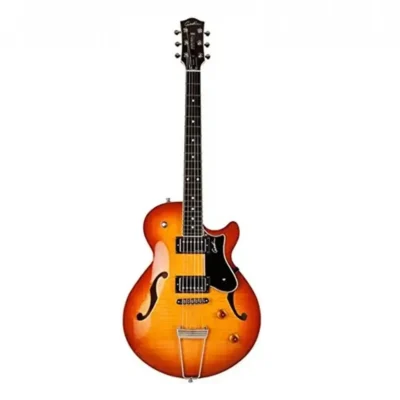
GODIN Montreal Premiere Supreme Lightburst Flame HG Supreme Semi Hollow
Original price was: $4,699.00.$2,799.00Current price is: $2,799.00.Out of stock -
17% OFF
RRP $299.00
Save $50.00
Sale!
 SKU: 11205-03
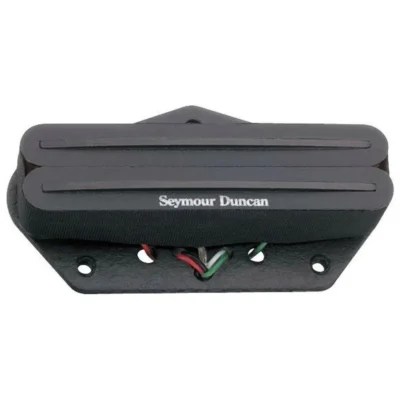
Seymour Duncan STHR-1b Hot Rails Lead for Tele Guitar Bridge Pickup Black
Original price was: $299.00.$249.00Current price is: $249.00.In Stock -
10% OFF
RRP $749.00
Save $74.00
 SKU: 11108-49-NC
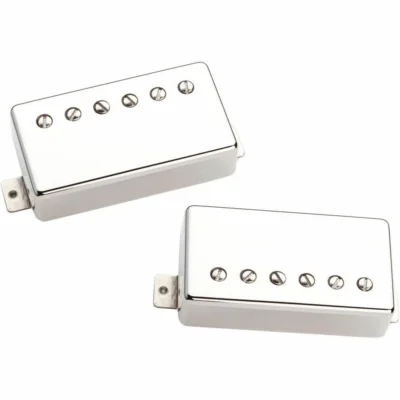
Seymour Duncan Pearly Gates Humbucker Pickup Set – Nickel Bridge/Neck set
Original price was: $749.00.$675.00Current price is: $675.00.Out of stock -
 SKU: 11102-13-Z
Seymour Duncan SH-4 JB Model Zebra Humbucker Bridge Pickup
$269.00In Stock -
19% OFF
RRP $779.00
Save $150.00
Sale!
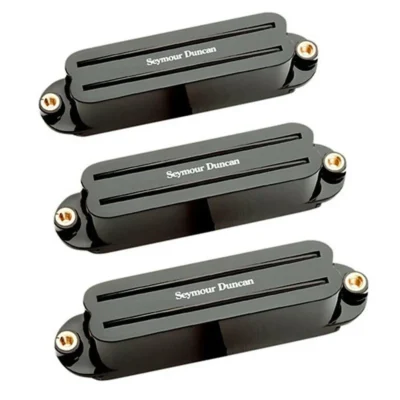 SKU: 11208-02-B
Seymour Duncan Hot Rails Strat Guitar Pickup Set – Black 11208-02-B
Original price was: $779.00.$629.00Current price is: $629.00.In Stock