
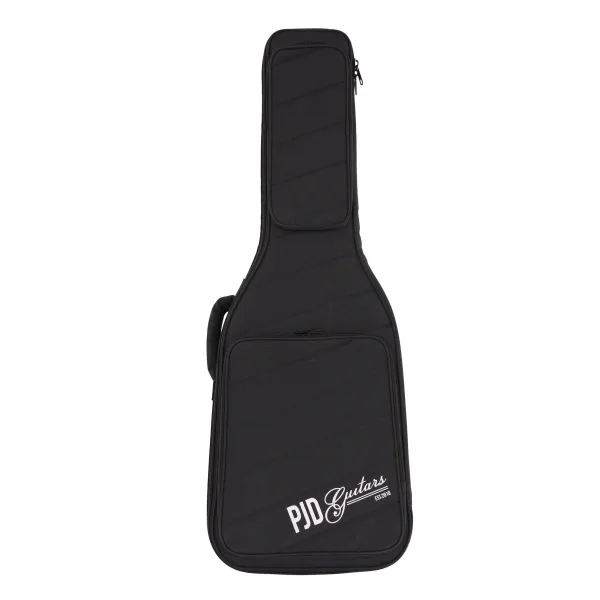
PJD Carey “Origin” Pro Electric Guitar – Sea Blue
★★★★★ 4.9 Stars — Over 1,500 Google Reviews
Original price was: $1,699.00.$1,399.00Current price is: $1,399.00.
FAST
Delivery
EASY
Returns
IN HOUSE
Repairs



Check AU Shipping Cost
Pick-up from store - FREE
Free pickup from our Melbourne Store at 4 Drake Boulevard, Altona VIC 3018. Your order will typically be ready by the next business day. We recommend calling us on (03) 8360 7799 beforehand to check it's ready for collection.
International Shipping
Please proceed to checkout to see international rates and avalability.
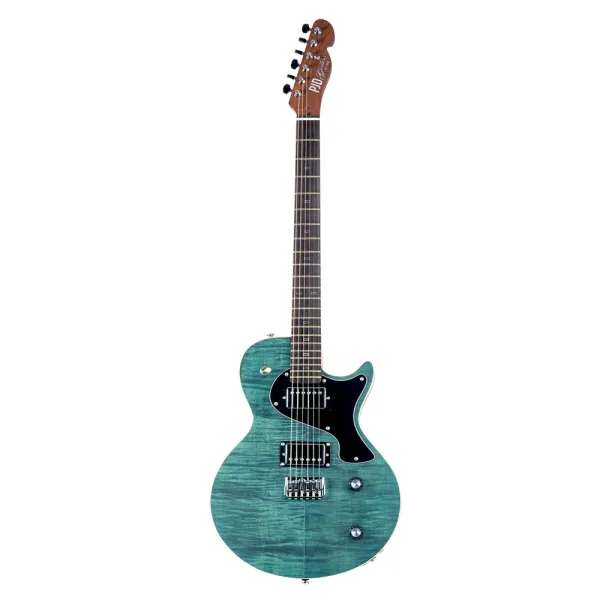
PJD Carey Origin Pro — Sea Blue Electric Guitar
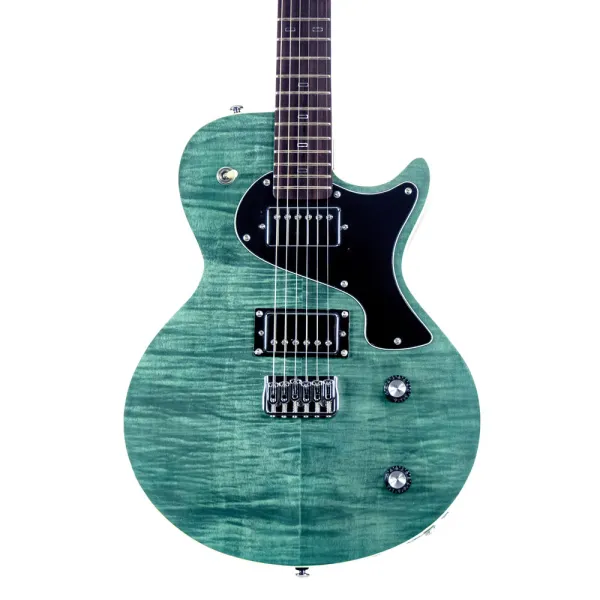
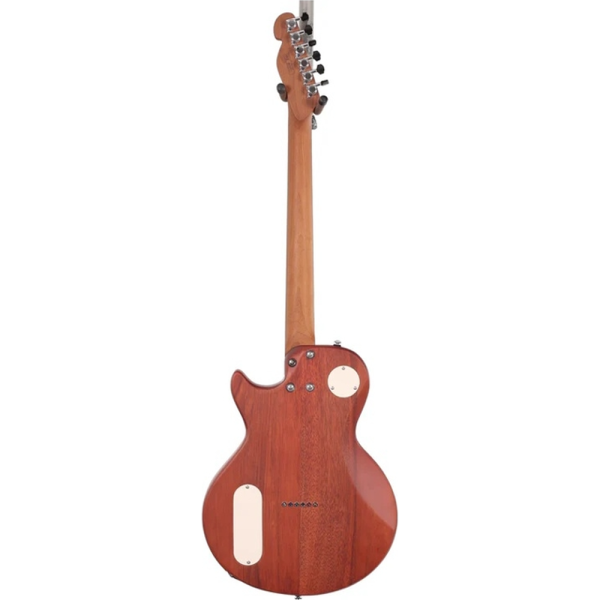
The PJD Carey Origin Pro is the top tier of PJD's Origin Series in the Carey body shape: a UK-designed, Indonesian-manufactured single-cut electric guitar built on a solid mahogany body with a bound figured flame maple veneer top, a roasted maple bolt-on neck, Indian rosewood fingerboard, dual PJD Origin humbuckers (bridge medium output, neck vintage PAF-style), bone nut, locking tuners, and a fixed hardtail bridge. The Sea Blue finish is applied in satin open grain poly — a cool, considered blue that sits with genuine depth on the figured maple veneer without requiring a gloss surface to carry it. The Carey Pro occupies the same specification tier as the St John Origin Pro: the two models are built to the same construction standard throughout, with the difference being the body shape each model is built from.
Angkor Music — Carey Pro vs St John Pro: Same Spec, Different Shape
The Carey Origin Pro and the St John Origin Pro share the same construction specification in every technical detail — solid mahogany body, figured flame maple veneer top with binding, roasted maple bolt-on neck, Indian rosewood fingerboard, 25.5" scale, bone nut, dual PJD Origin humbuckers, fixed hardtail, locking tuners, satin open grain poly finish. A player comparing them on a spec sheet will find them identical. The difference is the body silhouette: PJD's Carey and St John are distinct body shapes within the Origin Series, and the choice between them is primarily about which guitar feels and looks right to the player. Both will sound substantially similar. At Angkor Music we stock PJD guitars across the Origin range. If you want to compare the Carey and St John body shapes in person, or discuss which model and finish is available for immediate despatch, contact our team.
Sea Blue — The Finish Explained
Sea Blue is a cool, mid-register blue in PJD's satin open grain poly finish — neither the deep navy of a darker blue nor the bright, saturated electric blue of a more vivid colour. It sits in the range of blues that reference the ocean in its quieter moods: clear, considered, and with enough depth to read as a serious finish rather than a novelty colour. On a figured flame maple veneer top, the satin finish allows the grain movement to remain visible beneath the colour layer, so the figure in the maple reads through the blue as a subtle texture rather than being obscured by a flat opaque coat. Under different lighting conditions — particularly in natural light — the grain and colour interact in a way that changes the guitar's visual character depending on the angle.
The satin open grain poly finish, applied on the back and across the instrument, has a practical dimension beyond aesthetics. Satin finishes are lower in reflectivity than gloss, which means the back of the neck feels faster under the hand — less resistance as the thumb moves across the surface. For players who find gloss necks tacky or sticky, particularly under stage conditions, a satin-finished roasted maple neck is a significant practical advantage.
The Origin Pro Platform — What the Carey Pro Adds Over the Carey Standard
The Carey Origin Pro is a step up from the Carey Origin Standard in every specification category that affects playability and tonal response. The differences are not cosmetic — they are the hardware and materials choices that PJD's UK-designed instruments are built around, applied to the Apprentice tier's construction foundation. The key upgrades from the Standard to the Pro are:
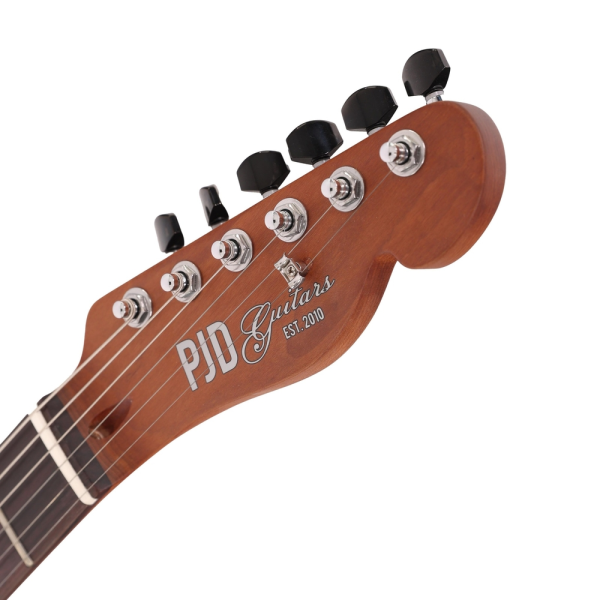
- Roasted maple neck: The Origin Standard uses a standard maple neck; the Pro uses roasted maple. Roasting is a thermal treatment that removes residual moisture from the wood, producing a more dimensionally stable neck that responds less to humidity changes. The colour shifts to a warm caramel tone, and the feel of the wood is subtly drier and faster under the hand. The tonal effect — often described as improved resonance and sustain — is genuine, if subtle.
- Bone nut (approx. 42mm): The Standard uses a synthetic nut; the Pro uses bone. Bone is denser than synthetic materials, which improves sustain at the nut end of the string, produces clearer intonation on open strings, and allows a more precise setup. The difference is most audible on open chords and in how the open strings sustain relative to fretted notes.
- Locking tuners: The Standard uses vintage-style non-locking tuners; the Pro uses locking tuners. Locking tuners grip the string mechanically, eliminating the winding around a post that is the most common cause of tuning instability. The result is faster string changes and more reliable tuning stability, particularly when bending or playing aggressively.
- Figured flame maple veneer top with binding: The Standard has a plain finish; the Pro adds a bound figured flame maple veneer top. The veneer is a thin decorative layer — it is not a structural component and does not function as a solid maple top would — but the figure in the maple and the cream binding give the instrument a visual specification that is more typically associated with mid-to-higher-price instruments.
PJD Origin Humbuckers — Bridge and Neck
The Carey Origin Pro uses two PJD Origin humbuckers, both wound with Alnico V magnets and enamel-coated wire. The two pickups are voiced differently by design:
The bridge humbucker is voiced at medium output — higher than a vintage PAF, lower than a high-output modern pickup. This gives it usable clean headroom at lower amp volumes while responding well to overdrive at higher gain settings. It is balanced rather than aggressive: suited to players who move between clean, edge-of-breakup, and overdriven tones within a single session.
The neck humbucker is voiced at vintage PAF-style output — lower than the bridge pickup, with more warmth and less compression in the low-end. PAF-style neck pickups became the reference for clean jazz, blues and rhythm tones in the late 1950s and 1960s, and the Origin neck pickup sits within that character: open, detailed, and with a natural warmth that works particularly well for clean chords and melodic playing at moderate volume.
The three-way toggle switch selects bridge alone, both pickups in parallel (middle position), or neck alone. The middle position combines the two pickups' output and produces a slightly scooped, blended character that sits between the bridge's brightness and the neck's warmth.
Carey Pro vs Carey Standard — What Changes at the Pro Tier
| Feature | Carey Origin Standard | Carey Origin Pro |
|---|---|---|
| Body | Solid mahogany | Solid mahogany |
| Top | Plain | Figured flame maple veneer, bound |
| Neck material | Maple | Roasted maple |
| Nut | Synthetic | Bone (~42mm) |
| Tuners | Vintage-style (non-locking) | Locking |
| Pickups | Alnico V P90 (neck) + humbucker (bridge) | PJD Origin humbuckers — medium bridge, PAF-style neck |
| Scale length | 25.5" (648mm) | 25.5" (648mm) |
| Bridge | Fixed hardtail | Fixed hardtail |
| Finish colour | Pelham Blue — gloss poly | Sea Blue — satin open grain poly |
Who Is the Carey Origin Pro For?
- Players who want the full Origin Pro specification — roasted maple neck, bone nut, locking tuners, dual PJD Origin humbuckers — in PJD's Carey body shape rather than the St John
- Guitarists drawn to dual-humbucker instruments who want a neck pickup voiced for clean and blues playing without compromising the bridge pickup's ability to drive an amp
- Players who prefer a satin-finished neck for feel and find gloss necks too resistant under the hand
- Buyers who want the visual specification of a figured maple veneer top and binding at the Origin Pro price point, with an honest understanding of what veneer contributes compared to a solid maple top
- Players who already own or have played the Carey Standard and want to understand what the Pro tier adds in practical terms
Specifications
| SKU | 16206 |
| Brand | PJD Guitars |
| Model | Carey Origin Pro |
| Finish | Sea Blue — satin open grain poly |
| Body | Solid mahogany |
| Top | Figured flame maple veneer with binding |
| Neck | Roasted maple, bolt-on — PJD Standard profile |
| Fingerboard | Indian rosewood |
| Scale Length | 25.5" (648mm) |
| Fingerboard Radius | 10" (254mm) |
| Frets | 22 medium |
| Nut | Bone — approx. 42mm width |
| Pickups | PJD Origin humbuckers — Alnico V, enamel-coated wire |
| Bridge pickup | Medium output |
| Neck pickup | Vintage PAF-style output |
| Controls | Master volume, master tone, 3-way toggle switch |
| Bridge | Fixed hardtail |
| Tuners | Locking |
| Origin | Designed in the UK, manufactured in Indonesia |
Expert Advice at Angkor Music
At Angkor Music Melbourne we stock PJD Guitars across the Origin range — Apprentice, Standard and Pro — in both the Carey and St John body shapes. If you want to compare the Carey Pro against the St John Pro in person, discuss the Sea Blue finish, or get advice on which Origin tier suits your playing and budget, our team can help.
★★★★★
4.9 Stars — Read Our 1,600+ Google Reviews →
Frequently Asked Questions
What is the difference between the Carey Origin Pro and the St John Origin Pro?
The Carey Origin Pro and the St John Origin Pro are built to the same specification in every technical detail — solid mahogany body, figured flame maple veneer top with binding, roasted maple bolt-on neck, Indian rosewood fingerboard, 25.5" scale, bone nut, dual PJD Origin humbuckers, fixed hardtail, locking tuners. The difference is the body shape: the Carey and St John are distinct PJD body silhouettes within the Origin Series. Both will sound substantially similar; the choice between them is about which body shape suits your physique, playing position and visual preference. Contact us if you want to try both.
Is the figured maple veneer top on the Carey Pro a solid maple top?
No. The Carey Origin Pro has a figured flame maple veneer top — a thin decorative layer of figured maple over the solid mahogany body. A veneer top is a different construction from a solid maple top: it contributes to the instrument's visual character and adds some definition to the overall tone, but it does not function as a structural tonal component in the way a solid maple top does. The primary tonal platform is the solid mahogany body. PJD's specification is accurate and honest on this point; the distinction matters to players making buying decisions.
What does the roasted maple neck feel and sound like compared to standard maple?
Roasted maple has been heat-treated to remove residual moisture from the wood fibres. The visible result is a darker, caramel-toned colour. The tactile result is a neck that feels subtly drier and faster under the hand than standard maple — lower in surface friction, which many players prefer for lead playing. Tonally, the treatment is often described as producing a slightly more resonant and open-sounding neck, though this is difficult to isolate from other variables. The more measurable benefit is stability: roasted maple is less responsive to humidity changes, which reduces seasonal neck movement.
What does "vintage PAF-style output" mean for the neck pickup?
PAF stands for Patent Applied For, referring to the original Gibson humbucker pickups designed by Seth Lover in the late 1950s. These pickups were wound to relatively low output levels compared to modern high-gain pickups — typically around 7–8k DCR — and had a warm, detailed, dynamic tonal character. The PJD Origin neck humbucker is voiced within this range: lower output than the bridge pickup, warm in the low-mids, with good note definition and openness at clean and edge-of-breakup settings. It suits players who work in clean, blues, and lower-gain territory on the neck pickup while using the bridge pickup for driven tones.
What is Sea Blue like in person — is it a bright blue or a darker shade?
Sea Blue is a cool, mid-register blue — not the deep navy of a near-black blue, and not the vivid electric blue of a saturated bright finish. It sits in the range that references clear ocean water in calm conditions: measured, clear, and with enough depth to read as a considered colour rather than a vivid statement. On a satin open grain poly finish with a figured maple veneer top, the grain movement in the maple remains visible beneath the colour, which gives the finish a texture and depth it would not have under a flat gloss coat. As with most figured finishes, it rewards being seen in person under different lighting conditions rather than assessed from photographs.
Additional information
| Weight | 2.90 kg |
|---|---|
| Type | Electric Guitar |
Related Items & Accessories
Related products
-
26% OFF
RRP $4,699.00
Save $1,200.00
Sale!
 SKU: 041152
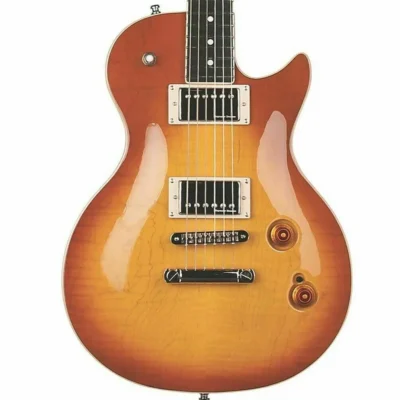
GODIN SUMMIT CLASSIC (CT) HB CREME BRULEE with Gig bag
Original price was: $4,699.00.$3,499.00Current price is: $3,499.00.In Stock -
17% OFF
RRP $359.00
Save $60.00
Sale!
 SKU: 11102-21-Gc
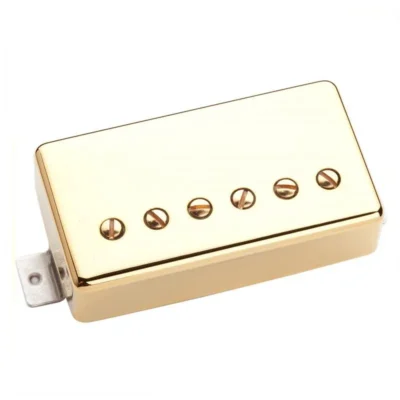
Seymour Duncan SH-6b Distortion Humbucker Gold Cover Bridge Pickup 11102-21-GC
Original price was: $359.00.$299.00Current price is: $299.00.In Stock -
8% OFF
RRP $299.00
Save $24.00
 SKU: 1101-05-B4c
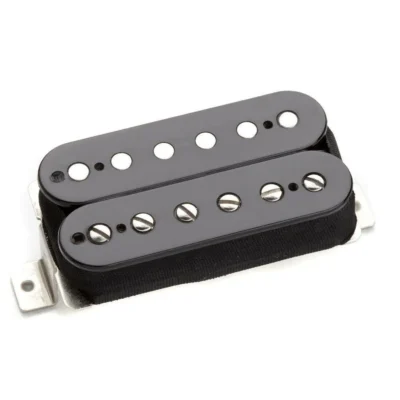
Seymour Duncan SH-1b ’59 Model 4-Conductor electric Guitar Pickup – Black Bridge
Original price was: $299.00.$275.00Current price is: $275.00.Out of stock -
19% OFF
RRP $779.00
Save $150.00
Sale!
 SKU: 11208-02-B
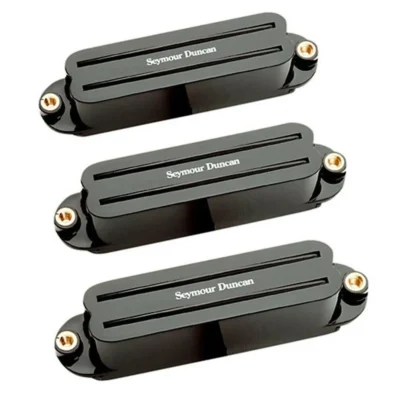
Seymour Duncan Hot Rails Strat Guitar Pickup Set – Black 11208-02-B
Original price was: $779.00.$629.00Current price is: $629.00.In Stock -
40% OFF
RRP $4,699.00
Save $1,900.00
Sale!
 SKU: 039852
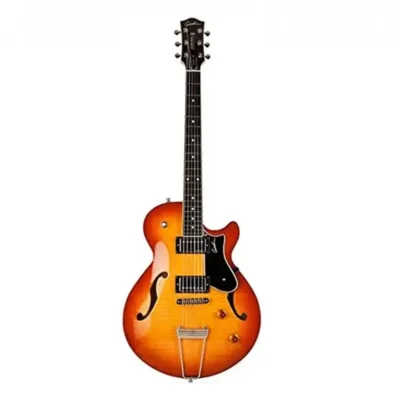
GODIN Montreal Premiere Supreme Lightburst Flame HG Supreme Semi Hollow
Original price was: $4,699.00.$2,799.00Current price is: $2,799.00.Out of stock