
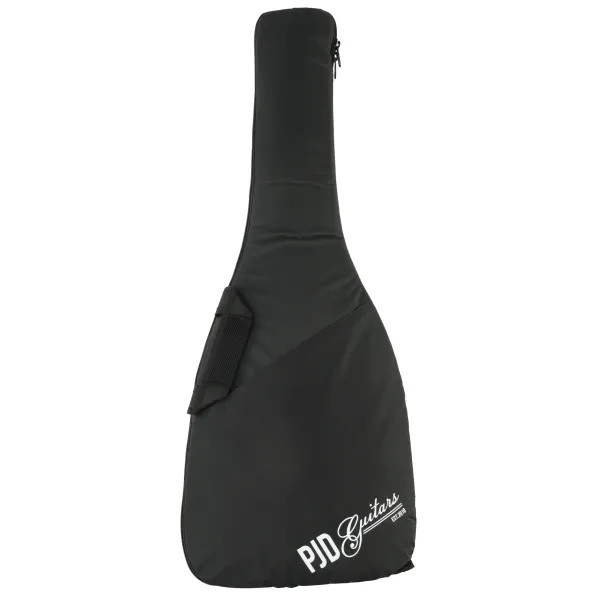
PJD St John “Origin” Apprentice Electric Guitar – Nato Olive
★★★★★ 4.9 Stars — Over 1,500 Google Reviews
Original price was: $1,099.00.$889.00Current price is: $889.00.
FAST
Delivery
EASY
Returns
IN HOUSE
Repairs



Check AU Shipping Cost
Pick-up from store - FREE
Free pickup from our Melbourne Store at 4 Drake Boulevard, Altona VIC 3018. Your order will typically be ready by the next business day. We recommend calling us on (03) 8360 7799 beforehand to check it's ready for collection.
International Shipping
Please proceed to checkout to see international rates and avalability.
PJD St John Origin Apprentice — Nato Olive Electric Guitar
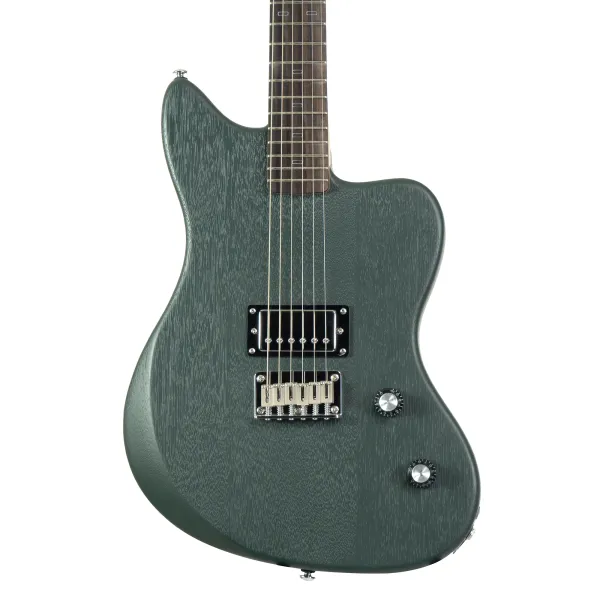
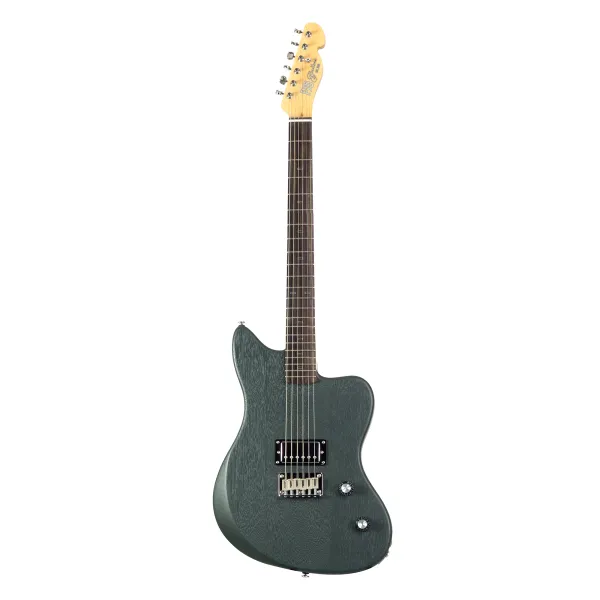
The PJD St John Origin Apprentice is the entry-level model in PJD's Origin Series single-cut range — a UK-designed, Indonesian-manufactured guitar built on the same solid mahogany body as the Origin Standard and Pro, simplified to a single bridge humbucker, a fixed string-through hardtail bridge, and a master volume and tone control layout with no pickup selector. The Apprentice is not a scaled-back version of a more complex guitar: it is a deliberate design that removes switching complexity in favour of a direct, uncomplicated signal path. Players who know they want a warm, driven single-pickup sound — and do not want a tone control layout that requires management between songs — will find the Apprentice a focused and honest instrument. The Nato Olive finish is a satin open grain olive tone, a restrained and distinctive colour choice that suits the instrument's unfussy, direct character.
Angkor Music — Who the Apprentice Is Really For
The Apprentice name positions this as a beginner guitar, but the specification tells a more interesting story. A solid mahogany body, a maple neck, a 10-inch radius fingerboard and a fixed string-through bridge are not beginner compromises — they are a legitimate platform. What the Apprentice removes is switching complexity and tonal versatility: one humbucker, one volume, one tone. This suits a specific type of player more than it suits a beginner generically. If your primary sounds are a clean rhythm tone through a clean amplifier and a driven lead tone from the same amplifier with the volume or gain increased — and you want those two sounds to be available by adjusting your pick attack or your guitar's volume knob rather than a selector switch — a single-humbucker guitar is a genuinely excellent tool. The direct signal path means no capacitors or switches between the pickup and the output. Some players who have played multi-pickup instruments for years choose to play single-pickup guitars specifically for this reason. At Angkor Music we stock PJD guitars including the full Origin Series. If you want to compare the Apprentice, Standard, and Pro in person or discuss which level of the range suits your playing, our team can help.
Single Bridge Humbucker — Why One Pickup Can Be Enough
The Apprentice's single PJD Origin Alnico V humbucker sits in the bridge position — the position that produces the sharpest, most cutting, highest-output tone in a standard guitar layout. Bridge pickups are voiced to cut through amplifier distortion, deliver articulate note definition under gain, and produce the punchy, focused attack that drives rock, punk, and heavy blues tones. A single bridge humbucker is historically associated with a specific approach to electric guitar playing: you set your amplifier to the sound you want, and you vary the tone by using your pick attack, your guitar's volume knob, and the amp's controls rather than a pickup selector.
The practical tonal range of a single well-voiced bridge humbucker is broader than many players expect:
- Clean with volume rolled back: A mahogany-bodied guitar with a bridge humbucker and the guitar's volume at 6–7 produces a warm, slightly compressed clean tone with good definition. The mahogany softens what can be a harsh bridge pickup brightness on lighter body woods.
- Clean to edge-of-breakup with volume at full: Full guitar volume into a clean amplifier gives the full bridge output — punchy, present, with strong attack. Into an amplifier running near its natural clipping threshold, the bridge humbucker pushes the amp into natural saturation.
- Driven tones: Into gain — either from an amplifier or pedals — the bridge humbucker delivers a focused, cutting, high-definition driven sound. The single-coil alternative would be bright and aggressive; the single humbucker at the bridge stays focused without harshness.
The controls — master volume and master tone only — are the simplest possible layout. The tone control on a single-humbucker guitar rolls off high frequencies progressively from about the 7 position downward, giving access to warmer, more rounded sounds when the full bridge brightness is not wanted. This single control does the job that a neck pickup selector position would otherwise provide on a two-pickup guitar: it shifts the tone from cutting to warm by removing high-frequency content rather than by switching to a different pickup.
String-Through Body Bridge — Sustain and Mechanics
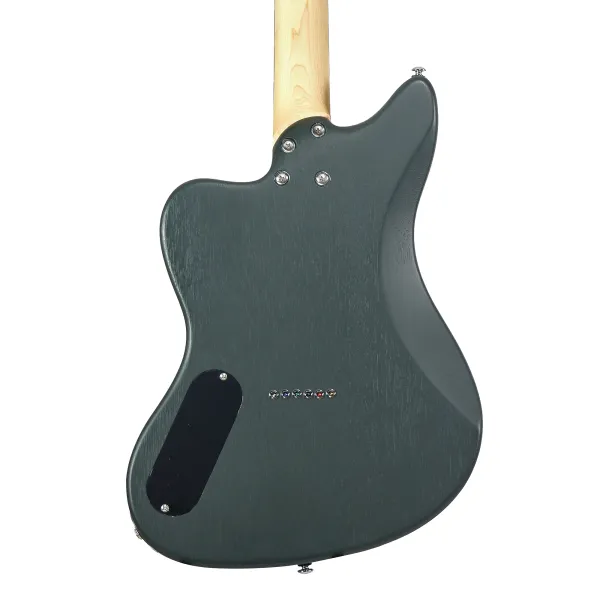
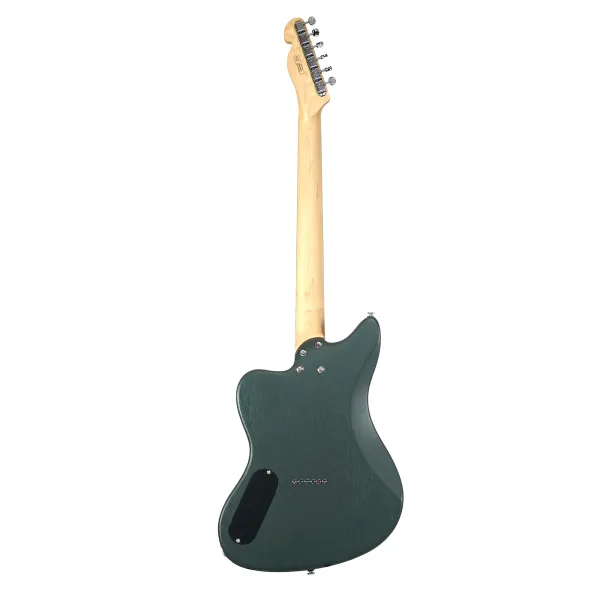
The Apprentice uses a fixed hardtail bridge with a string-through body design — the strings pass through ferrules in the body itself rather than terminating at the bridge saddles. This increases the length of string behind the bridge saddle (the string continues through the body rather than ending immediately at the tailpiece), which increases the downward pressure of the string against the saddle and changes the break angle. The practical effects are increased sustain — vibrations travel through the bridge and into the body more efficiently — and a marginally tighter, firmer string feel at the same gauge compared to a top-load bridge design. String-through construction is a feature more commonly associated with higher-specification instruments; its presence on the Apprentice is a construction choice that contributes to the guitar's resonance and feel beyond what the price point might suggest.
Solid Mahogany Body — The Foundation
Regardless of the Apprentice's simplified electronics, its solid mahogany body is the same core material as the Standard and Pro. Mahogany is a dense, medium-weight timber with a warm, mid-forward character and strong sustain. In a single-pickup bridge-position guitar, the body's warmth matters particularly: bridge pickups on brighter or lighter body woods can sound harsh or thin. Mahogany naturally softens the bridge pickup's high-frequency emphasis and adds body and sustain to the overall sound, producing a tone that is more rounded and musical than the same pickup installed in an alder or poplar body would deliver.
Maple Neck and Rosewood Fingerboard
The Apprentice's maple neck contributes clarity and snap to the mahogany body's warmth — a combination that has been used in electric guitar manufacturing for decades because the two materials balance each other effectively. The rosewood fingerboard adds a slight warmth and smoothness of tone at the note's initial attack, and its tactile surface — open-grained and slightly rough compared to a lacquered maple fingerboard — provides natural grip. The PJD Standard neck profile with a 10-inch radius is designed for comfort across both rhythm and lead playing: enough curvature to feel stable and natural in the fretting hand for chord work, flat enough to allow expressive bending at the upper end of the neck without notes fretting out.
Satin Open Grain Finish — Feel and Appearance
The Apprentice's satin open grain poly finish is a practical and honest choice. Satin finish lacks the high-gloss mirror surface of a standard gloss polyurethane and allows the natural grain of the mahogany to remain visible and tactilely present — an open grain finish means the pores of the wood are not filled with finish material, so the wood grain is perceptible to the touch rather than buried under a smooth film. Satin finish is easier to maintain than gloss — it does not show fingerprints and handling marks as visibly, and minor surface scratches are less apparent. It is also a finish style that many professional players specifically prefer for its unfussy, workmanlike character. The Nato Olive colour is an olive-toned satin — a restrained, slightly military in character, earthy green that is neither showy nor generic.
Where the Apprentice Sits in the St John Origin Series
| Feature | Apprentice | Origin Standard | Origin Pro |
|---|---|---|---|
| Body | Solid mahogany | Solid mahogany | Solid mahogany |
| Top | None | None | Figured maple veneer with cream binding |
| Neck | Maple | Maple | Roasted maple |
| Pickups | 1× Alnico V humbucker (bridge) | Alnico V P90 (neck) + humbucker (bridge) | 2× PJD Origin humbuckers (PAF neck, medium bridge) |
| Controls | Volume, tone (no selector) | Volume, tone, 3-way selector | Volume, tone, 3-way toggle |
| Bridge | Fixed hardtail, string-through body | Fixed hardtail | Fixed hardtail |
| Tuners | Vintage-style (non-locking) | Standard | Locking |
| Nut | Synthetic | Synthetic | Bone (~42mm) |
| Finish | Satin open grain poly | Gloss poly | Satin poly, open grain back |
Who Is the St John Origin Apprentice For?
- Players who want a single-pickup electric guitar with a clean, direct signal path and no switching complexity to manage during performance
- Beginners who want a genuine solid mahogany single-cut guitar rather than a laminate or lower-grade body construction, at the most accessible price point in PJD's range
- Players whose core sounds are a clean rhythm tone and a driven lead tone, achieved through amplifier settings and pick dynamics rather than pickup selection
- Anyone who wants a satin-finish, open-grain guitar in an understated colour that reads as a working instrument rather than a showpiece
- Players upgrading from a beginner guitar who want to move to a professional construction standard without paying the price premium of the Standard or Pro's additional hardware specifications
Specifications
| SKU | 16014 |
| Brand | PJD Guitars |
| Model | St John Origin Apprentice |
| Finish | Nato Olive — satin open grain poly |
| Body | Solid mahogany |
| Neck | Maple, bolt-on — PJD Standard profile |
| Fingerboard | Rosewood |
| Fingerboard Radius | 10" (254mm) |
| Frets | 22 medium |
| Pickup | Single PJD Origin Alnico V humbucker — bridge position |
| Controls | Master volume, master tone |
| Bridge | Fixed hardtail — string-through body |
| Tuners | Vintage-style (non-locking) |
| Origin | Designed in the UK, manufactured in Indonesia |
Expert Advice at Angkor Music
At Angkor Music Melbourne we stock PJD Guitars including the full Origin Series. If you want to compare the Apprentice, Standard and Pro, discuss which model and finish is available for immediate despatch, or get advice on which level of specification suits your playing and budget, our team can help.
★★★★★
4.9 Stars — Read Our 1,600+ Google Reviews →
Frequently Asked Questions
Is one pickup limiting? Can I get a range of sounds from a single humbucker?
A single bridge humbucker is a focused configuration rather than a limiting one. It suits players whose core sounds are built from one pickup position — the bridge — adjusted through picking dynamics, the guitar's volume and tone knobs, and amplifier or pedal settings. The bridge position on a mahogany body produces a warmer, more rounded version of a bridge tone than the same pickup on a brighter body wood, giving a usable range from clean and warm (volume rolled back, tone rolled off slightly) through to punchy clean and natural amplifier breakup (full volume) and driven lead tone (into gain). Players who rely heavily on neck pickup warmth for clean jazz-style tones, or who switch between distinctly different pickup characters within a performance, will find the Apprentice's single-pickup layout limiting. Players who work within one tonal range and want simplicity will find it a genuine advantage.
What is a string-through body bridge and does it matter?
A string-through body bridge routes the strings through ferrules in the body of the guitar rather than terminating them at the bridge plate. The practical effects are an increased break angle over the saddle — which improves sustain and vibration transfer from the string into the body — and a slightly firmer string feel compared to top-load designs. String-through construction is most commonly found on mid-to-higher-specification instruments; its presence on the Apprentice is a construction choice that contributes to the guitar's resonance and feel. For most players the difference is modest but noticeable in the guitar's overall sustain and firmness under the fingers.
How does the Apprentice compare to the St John Origin Standard?
The Standard adds a second pickup — an Alnico V P90 at the neck position — a pickup selector switch, and a gloss poly finish. It also removes the string-through body design (the Apprentice's bridge passes strings through the body; the Standard typically uses a top-load hardtail). The Standard suits players who want tonal versatility between pickup positions; the Apprentice suits players who want simplicity, a direct signal path, and the mahogany-bodied single-cut construction at the most accessible price in the range. Both use solid mahogany bodies.
Is the Apprentice suitable as a first electric guitar?
Yes. A solid mahogany body, maple neck, fixed bridge and single-humbucker configuration is a sensible and durable starting point. The simplified controls (volume and tone only) are easier to manage than a multi-pickup guitar for a player who is learning. The fixed hardtail bridge requires no maintenance and holds tuning reliably. The main consideration is that the Apprentice's single bridge humbucker configuration will give a beginner less immediate tonal variety than a two-pickup instrument — but it will also teach them to shape tone through picking technique and amplifier settings rather than defaulting to pickup switching, which is a useful foundation for musical development.
What finish and colour is Nato Olive?
Nato Olive is a satin open grain poly finish in an olive tone — a restrained, earthy green that sits closer to a military or muted natural green than a bright or jewel-toned colour. The open grain satin finish allows the mahogany's natural grain texture to be slightly visible and tactilely perceptible under the finish rather than being buried under a gloss film. It is a practical finish that resists showing fingerprints and minor handling marks more readily than a gloss surface.
Additional information
| Weight | 2.90 kg |
|---|---|
| Type | Electric Guitar |
Related Items & Accessories
Related products
-
17% OFF
RRP $359.00
Save $60.00
Sale!
 SKU: 11102-21-Gc
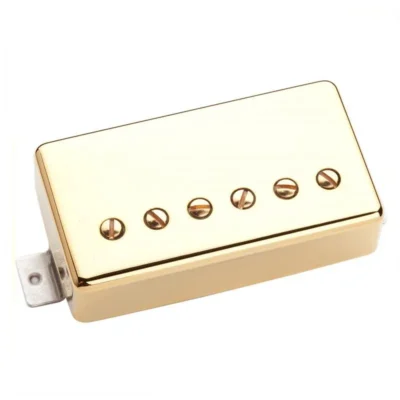
Seymour Duncan SH-6b Distortion Humbucker Gold Cover Bridge Pickup 11102-21-GC
Original price was: $359.00.$299.00Current price is: $299.00.In Stock -
16% OFF
RRP $269.00
Save $44.00
Sale!
 SKU: 11205-02-W
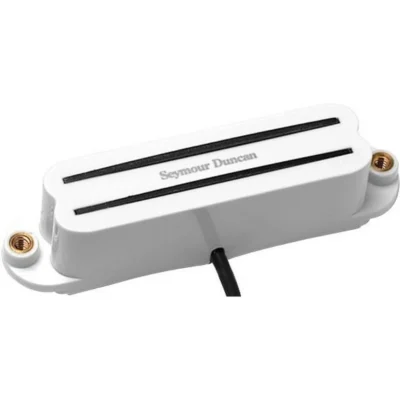
Seymour Duncan SHR-1b Bridge Hot Rails for Strat Guitar Pickup White 11205-02-W
Original price was: $269.00.$225.00Current price is: $225.00.In Stock -
10% OFF
RRP $107.00
Save $11.00
 SKU: 14010301 – SatinChrome
Schaller New S Locks (Pair) Satin Chrome 14010301 Strap Locks / security Locks
Original price was: $107.00.$96.00Current price is: $96.00.Out of stock -
11% OFF
RRP $107.00
Save $12.00
Sale!
 SKU: 14010501 – Gold
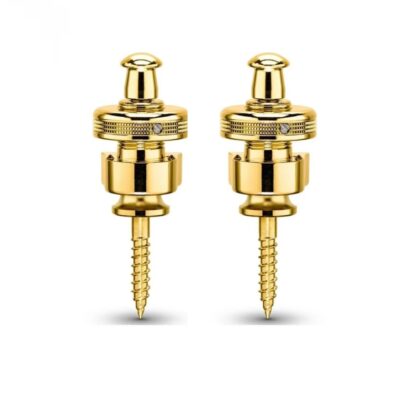
Schaller New S Locks Gold (Pair) 14010501 Strap Locks / security Locks
Original price was: $107.00.$95.00Current price is: $95.00.In Stock -
8% OFF
RRP $299.00
Save $24.00
 SKU: 1101-05-B4c
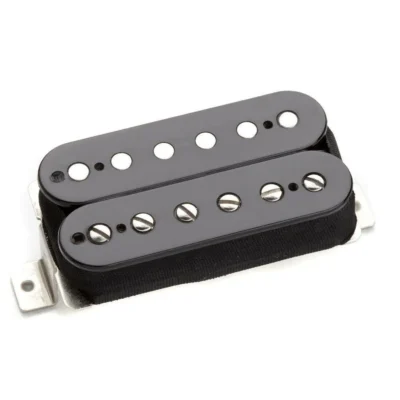
Seymour Duncan SH-1b ’59 Model 4-Conductor electric Guitar Pickup – Black Bridge
Original price was: $299.00.$275.00Current price is: $275.00.Out of stock