
PJD St John “Origin” Standard – Firemist Gold – Electric Guitar
★★★★★ 4.9 Stars — Over 1,500 Google Reviews
Original price was: $1,349.00.$1,099.00Current price is: $1,099.00.
FAST
Delivery
EASY
Returns
IN HOUSE
Repairs



Check AU Shipping Cost
Pick-up from store - FREE
Free pickup from our Melbourne Store at 4 Drake Boulevard, Altona VIC 3018. Your order will typically be ready by the next business day. We recommend calling us on (03) 8360 7799 beforehand to check it's ready for collection.
International Shipping
Please proceed to checkout to see international rates and avalability.
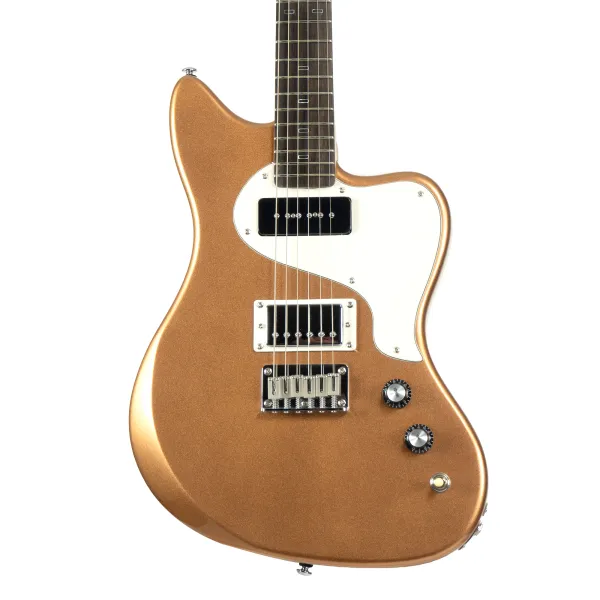
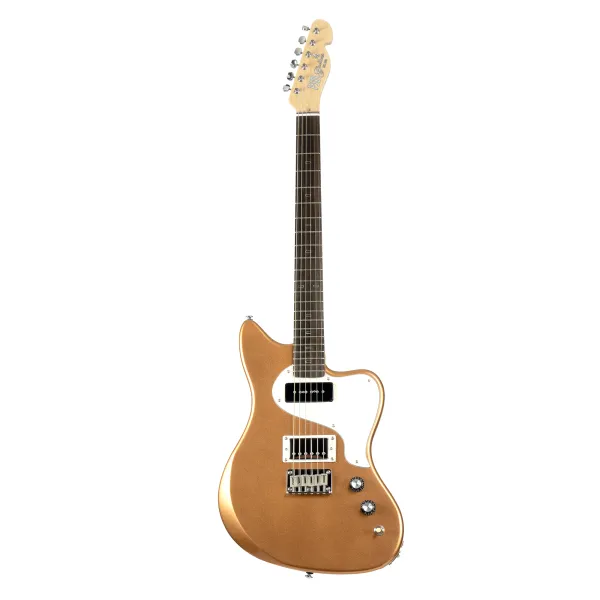
PJD St John Origin Standard Electric Guitar — Firemist Gold
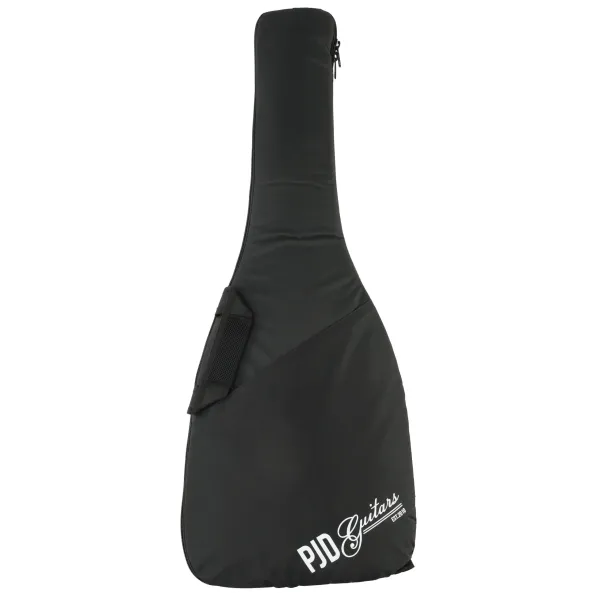
The PJD St John Origin Standard is an offset-body electric guitar from PJD's Origin Series — a platform built around boutique-grade material choices and a pickup configuration designed for tonal versatility rather than a single-genre focus. The St John pairs a solid mahogany body with a maple bolt-on neck and rosewood fingerboard, and combines a PJD Origin Alnico V P90 in the neck position with a PJD Origin Alnico V humbucker in the bridge. The result is a guitar with two genuinely different pickup characters available from a single instrument — the open, articulate clarity of a P90 on one end and the higher-output thickness of a humbucker on the other. The Firemist Gold finish is a deep metallic gold with a gloss poly surface, a colour with strong roots in vintage and boutique guitar aesthetics. The instrument is supplied with a padded PJD gig bag.
Angkor Music — PJD Guitars and the Origin Series
PJD (Paul Day Design) is a British guitar brand producing instruments at a price point that reflects considered specification rather than cost-cutting, with a focus on pairing traditional tonewoods with modern playing ergonomics and pickup configurations that serve working musicians. The Origin Series applies this philosophy to an offset body platform — a body shape with a contoured, asymmetric waist design that balances differently against the body compared to a conventional Stratocaster or Les Paul profile, and is associated with a long heritage of expressive, player-focused instruments. The St John model within the Origin range is the dual-pickup variant — the P90-plus-humbucker layout distinguishes it from single-pickup Origin configurations and gives it a tonal range that covers clean, nuanced playing through to driven, fuller-bodied lead work. At Angkor Music we stock PJD guitars across the Origin range. Contact us if you want to discuss which Origin model suits your playing style.
P90 and Humbucker — Understanding the Two-Pickup Configuration
The St John's combination of a P90 at the neck and a humbucker at the bridge is one of the most tonally interesting configurations available in electric guitar. These are not two pickups of the same type — they are two fundamentally different designs with different sonic characters, housed in the same instrument.
| Specification | Neck — PJD Origin P90 | Bridge — PJD Origin Humbucker |
|---|---|---|
| Type | P90 (single-coil design) | Humbucker (dual-coil) |
| Magnet | Alnico V | Alnico V |
| Tonal Character | Clear, articulate, open midrange with more output and body than a standard single coil | Higher output, thicker, hum-cancelling — suited to driven tones and fuller clean sounds |
| Best For | Clean playing, arpeggios, melodic lead, blues, nuanced picking | Driven rhythm, thick lead tones, crunch and higher-gain playing |
The P90 is a single-coil design with a wider, flatter coil than a standard Stratocaster or Telecaster pickup. This produces a sound that is fuller and more output-forward than a conventional single coil while retaining the clarity and articulation that makes single-coil pickups expressive for melodic playing. The P90 design dates from the late 1940s and carries a distinctive character — often described as the midpoint between the snap of a standard single coil and the thickness of a humbucker, without fully replicating either. In the neck position, the P90 produces a warm, clear, musical tone with excellent note separation.
The bridge humbucker is a dual-coil design: two coils wired together in a configuration that cancels the electromagnetic hum that single-coil pickups (including P90s) generate in the presence of electrical interference. The hum-cancelling property is a practical benefit in live environments with fluorescent lighting or other interference sources. The dual-coil construction also produces a naturally thicker, higher-output tone than a single-coil design, which suits driven playing where a single coil's response can become thin under high gain.
The three-way toggle switch gives access to the neck P90 alone, both pickups together, or the bridge humbucker alone — three genuinely distinct tonal positions from a single instrument.
Solid Mahogany Body — The Tonal Foundation
The body is solid mahogany — one of the most established tonewoods in electric guitar construction. Mahogany produces a warm, full tone with a strong, present midrange character and natural sustain. Where lighter tonewoods like alder tend toward a more scooped, bright character, mahogany sits forward in the midrange — it gives the guitar a density and richness in the low-to-mid frequencies that complements both the P90's clarity and the humbucker's thickness. The solid construction ensures that the full resonance of the wood contributes to the instrument's tone and sustain, with no laminate or hollow sections altering the response.
The offset body shape of the Origin Series distributes this mahogany mass across a contoured, asymmetric profile. The offset design positions the body's lower bout lower than a conventional guitar body when worn on a strap, which many players find more ergonomically comfortable in seated and standing playing positions.
Maple Neck, Rosewood Fingerboard — A Classic Construction
The bolt-on maple neck provides brightness and clarity in the attack — maple's density contributes a defined, articulate note onset that counterbalances the mahogany body's natural warmth. The bolt-on construction allows the neck to be removed and adjusted, and produces a slightly different resonance character than set-neck construction — bolt-on instruments are often described as having a more defined initial attack.
The rosewood fingerboard has a warm, slightly dampened feel under the fingers compared to maple, and produces a tonal character that takes some of the upper-frequency hardness off the attack. Rosewood's natural oils give the surface a slightly grippy texture that many players find comfortable for expressive playing. The 10-inch radius is a modern playing-friendly specification — flatter than vintage radius fretboards (typically 7.25 inches) and more comfortable for string bending across all positions without fretting out. The 22 medium frets and 25.5-inch scale length are standard specifications that suit a wide range of playing styles.
Firemist Gold Finish — Vintage Colour, Modern Execution
Firemist Gold is a metallic gold finish with a depth and translucency that distinguishes it from flat or solid gold colour options. The name comes from the original Firemist series of automotive paint finishes from the 1960s — a range of metallic colours that became widely used on custom and boutique guitars in that era and have since become associated with high-specification instrument finishing. In gloss poly application, the Firemist Gold produces a vivid, visually striking surface that reflects light with a warm, gold-green shimmer depending on the angle. The gloss poly finish is durable and consistent across the body surface.
Fixed Hardtail Bridge — Tuning Stability and Sustain
The fixed hardtail bridge keeps all string energy transferred directly into the body without the losses or tuning complexity of a floating tremolo system. A fixed bridge provides maximum sustain, consistent string-to-string height adjustment and reliable long-term tuning stability. For players who do not use a vibrato arm, a hardtail is the appropriate choice — it requires less setup maintenance and performs consistently across temperature and humidity changes that affect floating systems.
Who Is the St John Origin Standard For?
- Players who want genuine tonal versatility from a single instrument — specifically the P90-to-humbucker range that covers nuanced clean playing and heavier driven tones
- Blues, indie, alternative and rock players who appreciate the P90's distinctive character in the neck position for melodic and expressive playing
- Players drawn to the offset body aesthetic and ergonomics who want an instrument with more tonal range than a single-pickup offset design
- Players who value solid mahogany construction for its midrange warmth and sustain character
- Players looking for a boutique-specification instrument at a price point below UK-built custom shop guitars
Specifications
| SKU | 16128 |
| Brand | PJD Guitars |
| Series | Origin Standard |
| Model | St John |
| Finish | Firemist Gold (Gloss Poly) |
| Body | Solid Mahogany |
| Neck | Maple, Bolt-On |
| Neck Profile | PJD Standard |
| Fingerboard | Rosewood |
| Scale Length | 25.5″ (648mm) |
| Radius | 10″ (254mm) |
| Frets | 22 Medium |
| Neck Pickup | PJD Origin Alnico V P90 |
| Bridge Pickup | PJD Origin Alnico V Humbucker |
| Controls | Master Volume, Master Tone, 3-Way Toggle Switch |
| Bridge | Fixed Hardtail |
| Included | Padded PJD Gig Bag |
Expert Advice at Angkor Music
At Angkor Music Melbourne we stock PJD Guitars across the Origin range. If you want to compare the St John to other Origin models, discuss the P90/humbucker configuration versus other pickup options, or have questions about PJD's build quality and how it compares to other instruments in the same price range, our team can help.
★★★★★
4.9 Stars — Read Our 1,600+ Google Reviews →
Frequently Asked Questions
What does the P90 neck pickup sound like compared to a standard single coil?
A P90 is a single-coil design but with a wider, flatter coil than a Stratocaster or Telecaster pickup. This produces more output, more body in the midrange, and a fuller low end than a conventional single coil, while retaining the clarity and note separation that makes single-coil designs expressive. The P90 is often described as sitting between a standard single coil and a humbucker in character — it does not fully sound like either. In the neck position, the St John's P90 produces a warm, clear, articulate tone well suited to clean playing, blues, melodic lead and nuanced finger picking.
Why is a P90 paired with a humbucker rather than two P90s or two humbuckers?
The P90/humbucker combination provides genuinely different tonal options at each pickup position rather than two versions of the same character. Two P90s would produce similar tonal results in both positions; two humbuckers would reduce the tonal range available from the toggle switch. Pairing a P90 with a humbucker gives the neck position its own clear, articulate character and the bridge a higher-output, thicker, hum-cancelling option — maximising the tonal range available from a two-pickup instrument with a simple three-way toggle.
What is Firemist Gold — is it a solid or metallic finish?
Firemist Gold is a metallic finish — it contains fine metallic flake particles in the lacquer that produce a warm gold shimmer that shifts slightly depending on viewing angle and lighting. It is not a solid or flat gold colour. The name originates from a series of custom automotive metallic paints from the 1960s that became influential in boutique guitar finishing. In gloss poly application, it produces a deep, vivid surface with a distinctly vintage-inspired character.
How does solid mahogany affect the tone compared to other common body woods?
Mahogany produces a warm tone with a strong midrange character and natural sustain. Compared to alder (used in many Fender-style instruments), mahogany is fuller in the low midrange and less scooped — it gives the guitar more density in the mid frequencies rather than a bright, snappy character. Compared to ash, mahogany is warmer and less punchy in the high end. For the P90/humbucker configuration of the St John, solid mahogany complements both pickups: it adds warmth to the P90's clarity and sustain to the humbucker's thickness.
Is the 25.5-inch scale length standard, and what does it mean for playing feel?
The 25.5-inch scale is the same scale length used by Fender Stratocasters and Telecasters — the most common scale length for non-Gibson style electric guitars. It produces slightly more string tension than a 24.75-inch Gibson-scale guitar at the same tuning and string gauge, which gives notes a crisper, more defined attack. Players coming from Fender-scale instruments will find the 25.5-inch scale familiar. Players coming from Gibson-scale instruments may notice slightly firmer string tension, which can be adjusted by string gauge selection.
Additional information
| Weight | 2.90 kg |
|---|---|
| Type | Electric Guitar |
Related Items & Accessories
Related products
-
 SKU: 44669
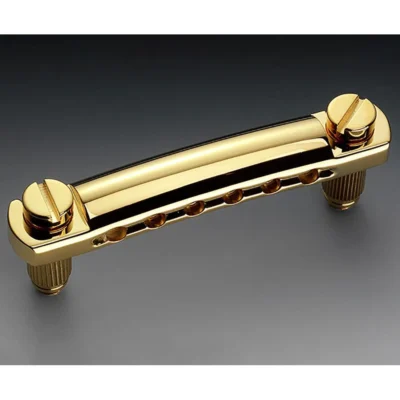
Schaller Guitar Stop Tailpiece Gold for STM / GTM Bridges – 12050500
$245.00In Stock -
8% OFF
RRP $299.00
Save $24.00
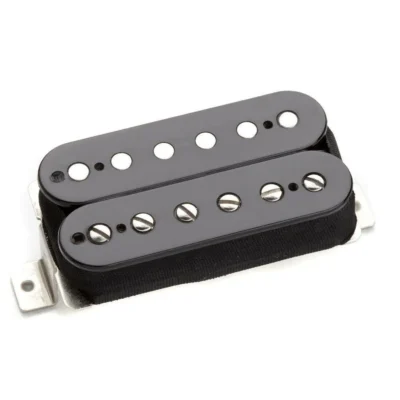 SKU: 1101-05-B4c
Seymour Duncan SH-1b ’59 Model 4-Conductor electric Guitar Pickup – Black Bridge
Original price was: $299.00.$275.00Current price is: $275.00.Out of stock -
16% OFF
RRP $269.00
Save $44.00
Sale!
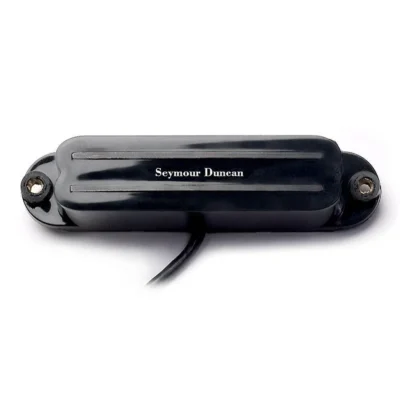 SKU: 11205-02-B
Seymour Duncan SHR-1b Hot Rails for Strat Guitar Pickup in Black Bridge
Original price was: $269.00.$225.00Current price is: $225.00.In Stock -
 SKU: 14010701 – SatinPearl
Schaller New S Locks M (Pair) Satin Pearl 14010701 Strap Locks / security Locks
$107.00In Stock -
15% OFF
RRP $2,999.00
Save $440.00
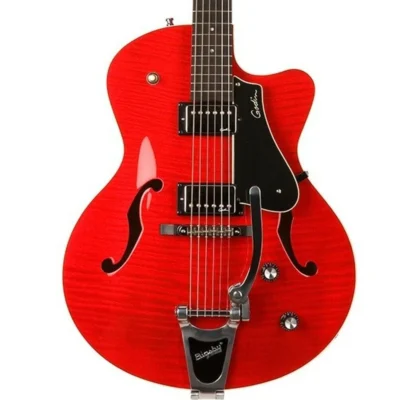 SKU: 035182
GODIN 5th Avenue Uptown Trans Red GT w/Bigsby Hollow Body Guitar with case
Original price was: $2,999.00.$2,559.00Current price is: $2,559.00.Out of stock