
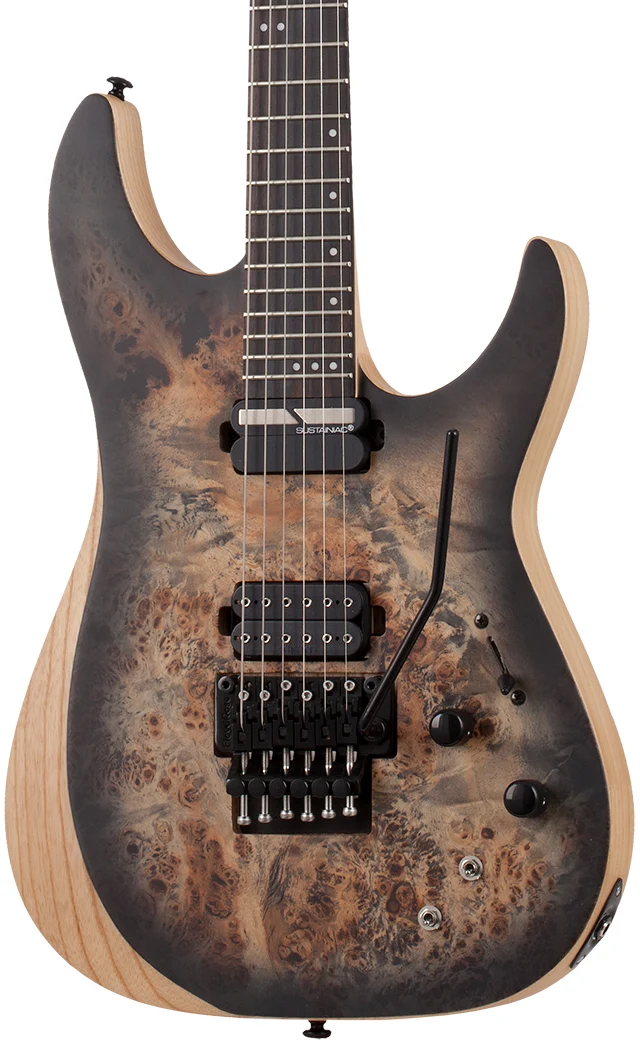

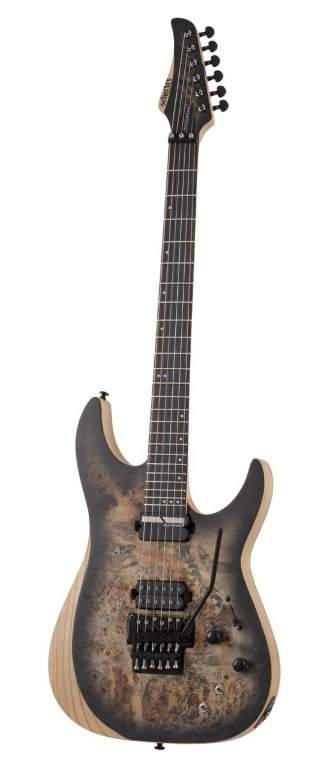
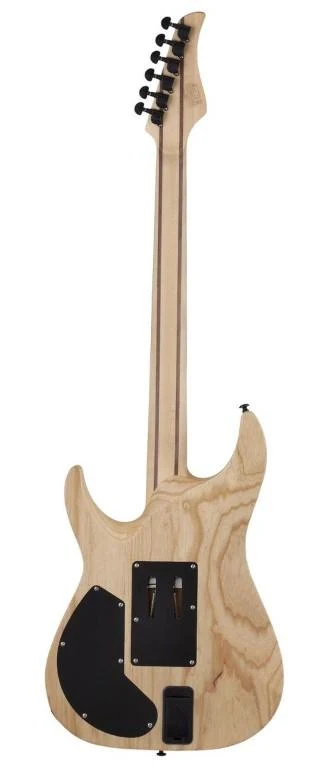
Schecter Reaper 6 FR S Electric Guitar – Satin Charcoal Burst
★★★★★ 4.9 Stars — Over 1,500 Google Reviews
Original price was: $3,299.00.$2,799.00Current price is: $2,799.00.
FAST
Delivery
EASY
Returns
IN HOUSE
Repairs



Check AU Shipping Cost
Pick-up from store - FREE
Free pickup from our Melbourne Store at 4 Drake Boulevard, Altona VIC 3018. Your order will typically be ready by the next business day. We recommend calling us on (03) 8360 7799 beforehand to check it's ready for collection.
International Shipping
Please proceed to checkout to see international rates and avalability.
Schecter Reaper-6 FR S Electric Guitar — Floyd Rose 1500 & Sustainiac — Satin Charcoal Burst
The Schecter Reaper-6 FR S is a high-performance electric guitar built for extended-range expression and maximum sustain. It combines a Swamp Ash body with a Burl top, a set-neck construction with an Ultra Access heel carve, a Floyd Rose 1500 double-locking tremolo, and — most significantly — a Sustainiac sustainer system in the neck position. The Sustainiac is not a conventional pickup: it is an electromagnetic string driver that generates infinite sustain and controllable harmonic feedback, making the Reaper-6 FR S a different kind of instrument from anything that runs only passive pickups. Paired with the high-output Schecter Diamond Decimator bridge humbucker, this is a guitar designed for players who want total dynamic control from delicate sustaining lead work to aggressive high-gain rhythm.
★ Expert Insight — What the Sustainiac Actually Does (and Why It Matters)
The Sustainiac is one of the most genuinely useful and underappreciated tools in electric guitar. It replaces the neck pickup coil with an electromagnetic driver that continuously excites the strings — like an infinite, hands-free E-Bow built into the guitar. When it is activated, the strings sustain indefinitely without decay, and the three mode settings (Fundamental, Mix, Harmonic) control the character of the sustain: the Fundamental mode tracks and reinforces the exact pitch you play; the Harmonic mode induces upper harmonics, creating the sound of controlled, infinite feedback at any volume; and Mix blends the two for a complex, evolving sustain texture.
The critical thing to understand: when the Sustainiac is ON, the neck pickup position is functioning as a driver, not an audio pickup. In Sustainiac mode, your audio output comes from the bridge pickup (the Decimator). When the Sustainiac is OFF, the neck driver coil functions as a conventional neck pickup. A 9V battery powers the system and needs to be accessible — Schecter includes a clip-in battery compartment for easy changes.
The Sustainiac Sustainer — Three Modes Explained
The Sustainiac Stealth Pro is a compact sustainer system installed in the neck pickup position. It works by using an electromagnet coil to apply a precisely controlled magnetic field to the strings, pushing them to vibrate continuously at the frequency they are already vibrating at. Unlike mechanical sustain from technique or a volume swell, the Sustainiac actively maintains and extends the string's vibration — there is no decay, just the note held for as long as you hold it.
Fundamental Mode — The Sustainiac tracks and reinforces the fundamental pitch of each string. Notes sustain cleanly at the pitch you played, with no harmonic colouration. This is the most musically transparent mode and the starting point for lead lines that need to sing without decay.
Mix Mode — A blend of fundamental reinforcement and harmonic overtone generation. The sustain has more complexity and movement than Fundamental mode alone, with the harmonic content adding a choir-like quality to sustained notes. Useful for textural playing and lead passages where some harmonic evolution in the sustain is desirable.
Harmonic Mode — The Sustainiac generates upper harmonics rather than (or in addition to) the fundamental, depending on string, position and pickup height. This mode produces the effect of infinite, controlled feedback — the guitar sounds as though it is feeding back at high volume even when played at low volume through headphones. Different harmonics (octave, fifth above the octave, and others) are accessible by varying picking position and applying light fret-hand pressure. This is the mode that lets the guitar produce the kind of harmonic screams normally only available from a cranked amp in a live room.
The 2-way On/Off switch and 3-way Mode switch (Fundamental / Mix / Harmonic) sit alongside the standard 3-way pickup selector on the guitar's control layout, and the system is activated and changed between modes mid-performance. When the Sustainiac is engaged, the 3-way pickup selector should be set to the bridge-only or middle position so that the Decimator bridge pickup is active for audio output.
Swamp Ash Body, Burl Top — Resonance and Custom Shop Looks
The Reaper-6 FR S uses a Swamp Ash body. Swamp Ash is a variety of White Ash grown in the river bottoms of the American South — it has a characteristically open, porous grain structure that makes it significantly lighter than regular ash or mahogany, while producing a resonant, airy tone with clear definition in the mid and upper registers. Swamp Ash has been used in boutique and vintage-spec builds for decades precisely because of this combination of weight reduction and tonal clarity.
The body is topped with a Poplar Burl cap, which contributes the visual drama of this instrument. Burl wood is formed from abnormal tree growth — the resulting grain is dense, swirling and visually complex in a way that cannot be replicated by a standard flat-sawn or quarter-sawn surface. Each piece of burl top is unique, meaning no two Reaper-6 FR S guitars will have identical figuring. The Satin Charcoal Burst finish draws this figuring out without the reflective glare of a gloss coat.
The body contouring is extensive — Schecter has routed relief into the upper bout, forearm and belly areas to improve the ergonomics of a guitar that will be worn for full live sets. This kind of contouring is common on instruments intended for active, demanding performance.
Set-Neck with Ultra Access — Construction and Upper Fret Feel
The Reaper-6 FR S uses set-neck construction — the neck is glued into the body pocket rather than bolted on. Set-neck construction produces longer sustain than a bolt-on joint (more continuous wood contact between neck and body) and allows a deeper, tighter heel pocket than a typical neck-through build without the cost associated with neck-through construction.
Schecter's Ultra Access Neck Carve refers to the contouring of the heel joint area on both the neck heel and the body. The body is routed and sculpted at the upper bout so that the hand can reach the upper frets without the thumb rolling over the top edge of the body — a limitation common to guitars with traditional, squared heel profiles. On a 24-fret guitar where the highest frets are played regularly, this is a meaningful practical improvement.
The neck itself is a 5-ply Maple and Walnut laminate reinforced with carbon fibre rods running along its length. Carbon fibre rods are used in high-end neck construction because they are dimensionally inert — they do not expand or contract with changes in humidity or temperature the way wood does. Combined with the 2-way adjustable truss rod, this gives the neck long-term stability in varying environmental conditions, which matters for a guitar used in live performance environments.
Ebony Fretboard, 14" Radius, 24 X-Jumbo Frets
The fretboard is ebony — one of the densest and hardest tonewoods used in guitar construction. Ebony has a smoother, cooler surface feel than rosewood or maple, and its density contributes clarity and articulation to the attack of each note. It is favoured for lead playing because the surface feels fast under the fingers and the tonal character emphasises pick attack, definition and upper harmonics without the warmth and softness that can obscure fast runs on rosewood boards.
The 14-inch (355mm) fretboard radius is flat by most standards. A vintage Fender-style radius is 7.25 inches; most modern rock guitars are 9.5 to 12 inches. At 14 inches, the Reaper-6 FR S's fretboard is almost flat across its width, which minimises fretting out (where bending a note causes a fret higher up the board to choke the string due to the fingerboard's curve). On a guitar with 24 frets and a Floyd Rose, where full-step and wider bends are common, a flat radius is a sensible specification.
The 24 X-Jumbo frets cover an additional octave of range compared to 22-fret guitars. X-Jumbo wire is tall and wide, making string bending easier (less finger pressure required to fret cleanly) and giving the frets a longer service life before they need levelling or replacement. The pearloid offset and reverse dot inlays are positioned at the fret markers and tilted for visual distinction from standard dot inlays.
Floyd Rose 1500 Series — Double-Locking Tremolo
The Floyd Rose 1500 Series is a double-locking floating tremolo system. The string is clamped at both the bridge saddle (with individual saddle lock screws) and at the locking nut, which replaces the conventional nut at the headstock. Once both locks are applied, the string cannot shift in either clamping point regardless of how far the tremolo arm is used, eliminating the tuning instability that conventional tremolos experience during heavy use. This allows full-range tremolo use — arm-up squeals, dive bombs, flutter vibrato — without going out of tune.
The trade-off is that retuning or changing a string requires loosening the nut locks and saddle locks. Fine tuners mounted on the bridge body allow small tuning adjustments without unlocking, and these should be used for any minor pitch adjustment made mid-performance. String changes, however, take longer than with a fixed bridge and require a matching locking nut (the Floyd Rose 1500 Series locking nut is the nut included with this guitar).
The Floyd Rose 1500 is a genuine Floyd Rose manufactured bridge (not a licensed copy), positioned below the original series in terms of materials and finish, but sharing the same core double-locking mechanism and 100% parts compatibility with all Floyd Rose 1000 and Original series components. Upgrade saddles, arm, spring claw and springs are all interchangeable.
Schecter Diamond Decimator — Bridge Pickup
The Schecter Diamond Decimator is Schecter's high-output passive humbucker, designed for the bridge position on high-gain instruments. High-output passive humbuckers use more coil winds than a vintage-voiced pickup, producing a stronger signal that drives a preamp harder and compresses more noticeably — this is appropriate for rhythm playing where saturation and aggression are the goal, but the additional compression can reduce dynamic sensitivity compared to lower-output pickups.
In the context of the Reaper-6 FR S, the Decimator's role is primarily as the high-gain voice. When the Sustainiac is activated, the Decimator is the pickup providing audio output — its character defines what you hear while the sustainer is running. The high output ensures that the bridge pickup's signal maintains presence and definition through heavy amplifier gain when the Sustainiac is feeding notes into it.
Who Is the Schecter Reaper-6 FR S For?
The Reaper-6 FR S is built for lead guitarists who want capabilities beyond what conventional passive pickup guitars offer. The Sustainiac addresses a specific creative need — infinite, hands-free sustain and controllable harmonic feedback at any volume — that no combination of amp settings or effects pedals can fully replicate. The Floyd Rose 1500 covers the other end of the expressive spectrum, enabling tremolo techniques that would put any non-locking bridge out of tune immediately.
Players exploring progressive rock, metal, neo-classical, ambient, or experimental guitar styles will find the combination of Sustainiac and Floyd Rose opens territory that is genuinely unique. Beginners should understand that both the Floyd Rose and the Sustainiac system add complexity to the instrument: string changes take longer, the battery needs replacing periodically, and using the Sustainiac system effectively takes some experimentation to understand its response across modes and string positions. It rewards investment in learning it.
Specifications
| Feature | Specification |
|---|---|
| SKU | SCH1506 |
| Model | Schecter Reaper-6 FR S |
| Colour | Satin Charcoal Burst (SCB) |
| Country of Origin | Indonesia |
| Construction | Set-neck with Ultra Access heel carve |
| Body | Swamp Ash |
| Top | Burl (Poplar Burl) |
| Top Contour | Flat top |
| Neck | 5-ply Maple/Walnut, Carbon Fibre Reinforcement Rods, Ultra Thin C profile |
| Neck Thickness | 19mm at 1st fret / 20mm at 12th fret |
| Fretboard | Ebony |
| Scale Length | 25.5" (648mm) |
| Fretboard Radius | 14" (355mm) |
| Frets | 24 X-Jumbo |
| Inlays | Pearloid offset/reverse dots |
| Nut | Floyd Rose 1500 Series locking nut |
| Nut Width | 1.625" (41.3mm) |
| Truss Rod | 2-way adjustable, 5/32" (4mm) Allen key |
| Bridge | Floyd Rose 1500 Series double-locking tremolo |
| Bridge Pickup | Schecter Diamond Decimator (high-output passive humbucker) |
| Neck Pickup | Sustainiac sustainer/driver system (functions as conventional pickup when OFF) |
| Controls | Volume, Tone, 3-way pickup selector, 2-way Sustainiac On/Off, 3-way Sustainiac mode (Fundamental / Mix / Harmonic) |
| Hardware Colour | Black and Chrome |
| Knobs | Metal knurled with set screw |
| Tuners | Schecter |
| Strings | Ernie Ball Regular Slinky #2221 (.010–.046) |
| Battery | 9V (Sustainiac requires battery — clip-in compartment) |
| Dexterity | Right-handed |
| Case | Not included — Schecter SGR-1C sold separately |
Frequently Asked Questions
Can I use the neck pickup sound while the Sustainiac is active?
No. When the Sustainiac is switched on, the neck pickup coil is functioning as an electromagnetic string driver — it is emitting a controlled field, not picking up the string's vibration. In Sustainiac mode, the neck pickup position is not available as an audio source. Set the 3-way pickup selector to bridge (or middle position to blend bridge into the signal path) when the Sustainiac is active. When the Sustainiac is switched off, the driver coil functions as a conventional neck pickup and you can use it normally through the standard pickup selector positions.
How long does the 9V battery last?
Battery life varies significantly depending on use — the Sustainiac draws current only when active. With typical practice and performance use (not leaving the Sustainiac running continuously), most players find battery life in the range of 20 to 40 hours of actual Sustainiac-on time, similar to a standard active pickup system. Unplug the guitar when not in use (as with any active electronics) to prevent battery drain through the tip-sleeve contact on the output jack. Always carry a spare 9V before performing live. The clip-in battery compartment is accessible without tools.
Is the Floyd Rose 1500 the same quality as the Floyd Rose Original?
The Floyd Rose 1500 uses the same double-locking mechanism and is made by Floyd Rose, not a licensed third party, but it uses lower-cost materials and a slightly different finish compared to the Floyd Rose Original (the top-tier current production model). In practical use — tuning stability, string change procedure, tremolo range — it performs the same way. Parts are 100% interchangeable with Original and 1000 series components, so if you wish to upgrade the saddles, springs, arm or block to Original specification, standard Floyd Rose upgrade parts will fit directly. For performance reliability and playability, the 1500 is a genuine Floyd Rose that does the job.
What styles of music is the Reaper-6 FR S suited to?
The Reaper-6 FR S covers a wide range of high-gain styles by design, and the Sustainiac extends its palette significantly. Metal, progressive rock, hard rock and shred guitar are the obvious home territory — the Decimator bridge pickup, flat-radius fretboard, X-Jumbo frets and Floyd Rose are all optimised for that context. The Sustainiac, however, opens the guitar to ambient, experimental and post-rock styles where infinite sustain and harmonic feedback are tools rather than accidental by-products. Players who work across multiple genres or who want a single instrument that can cover both aggressive rhythm playing and expressive, sustain-heavy lead work will find the combination genuinely versatile.
Does the set-neck construction affect repairability compared to a bolt-on?
Set-neck construction (the neck is glued into the body) is more difficult to replace than a bolt-on neck if the neck is ever damaged beyond repair — it requires heat and specialised tools to remove safely and re-glue a replacement. However, standard fretwork, fret replacement, nut replacement and neck adjustments (truss rod, string relief) are performed exactly the same way on a set-neck as on a bolt-on. For normal maintenance, the construction type makes no practical difference. Outright neck replacement is rare in practice for instruments used within their design parameters.
Playing the Reaper-6 FR S? We'd love to hear about it.
Leave us a Google Review — it helps other musicians find quality gear.
Additional information
| Weight | 0.0000 kg |
|---|---|
| type | Electric Guitar |
| Body Type | Solid-body |
| Dexterity | Right-Handed |
Related Items & Accessories
Related products
-
14% OFF
RRP $569.00
Save $80.00
Sale!
 SKU: 11208-03
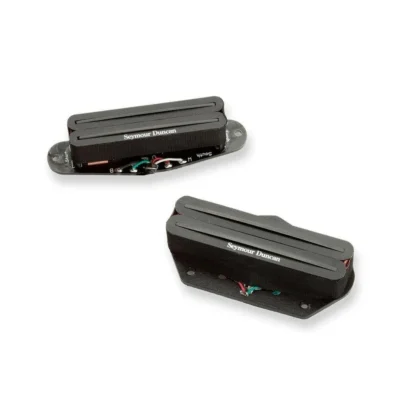
Seymour Duncan STHR-1 Hot Rails Tele Guitar Pickup Set – Black
Original price was: $569.00.$489.00Current price is: $489.00.In Stock -
13% OFF
RRP $395.00
Save $50.00
Sale!
 SKU: 12350400
Schaller Signum Locking Guitar Bridge – Black Chrome Made in Germany 12350400
Original price was: $395.00.$345.00Current price is: $345.00.In Stock -
26% OFF
RRP $4,699.00
Save $1,200.00
Sale!
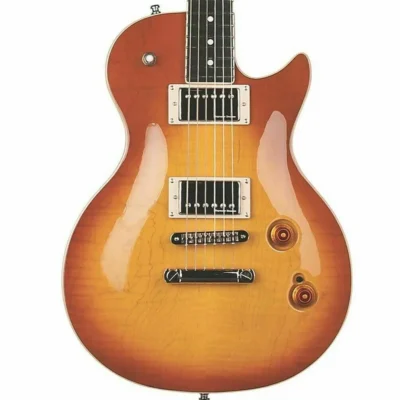 SKU: 041152
GODIN SUMMIT CLASSIC (CT) HB CREME BRULEE with Gig bag
Original price was: $4,699.00.$3,499.00Current price is: $3,499.00.In Stock -
18% OFF
RRP $3,299.00
Save $600.00
Sale!
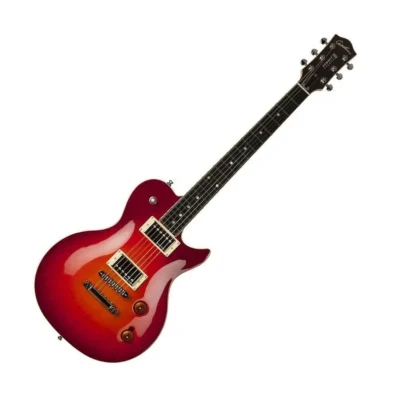 SKU: 041657
GODIN SUMMIT CLASSIC (CT) HB Cherryburst with Gig bag Seymour Duncan Humbuckers
Original price was: $3,299.00.$2,699.00Current price is: $2,699.00.Out of stock -
10% OFF
RRP $245.00
Save $25.00
Sale!
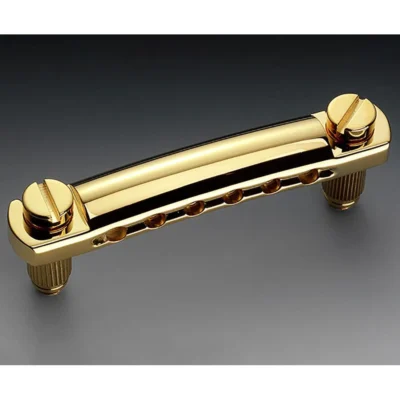 SKU: 44669
Schaller Guitar Stop Tailpiece Gold for STM / GTM Bridges – 12050500
Original price was: $245.00.$220.00Current price is: $220.00.In Stock